NBTC Launches E-Waste Management Pilot at Model Community
The NBTC has launched a pilot e-waste management project at Ban Tham Suea, a model conservation community in Phetchaburi province. The program teaches residents to sort and repurpose electronic waste into useful products, reducing disposal and creating potential income. With Thailand generating over 400,000 tonnes of e-waste annually, the initiative aims to serve as a national model for community-based e-waste solutions.
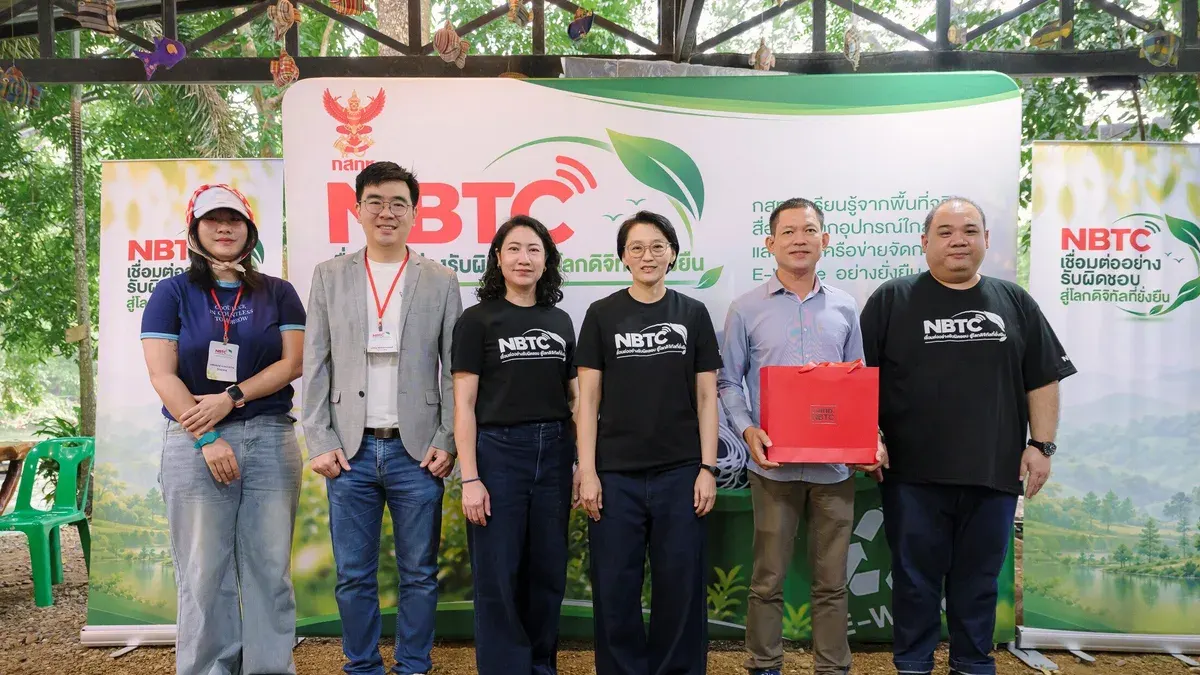
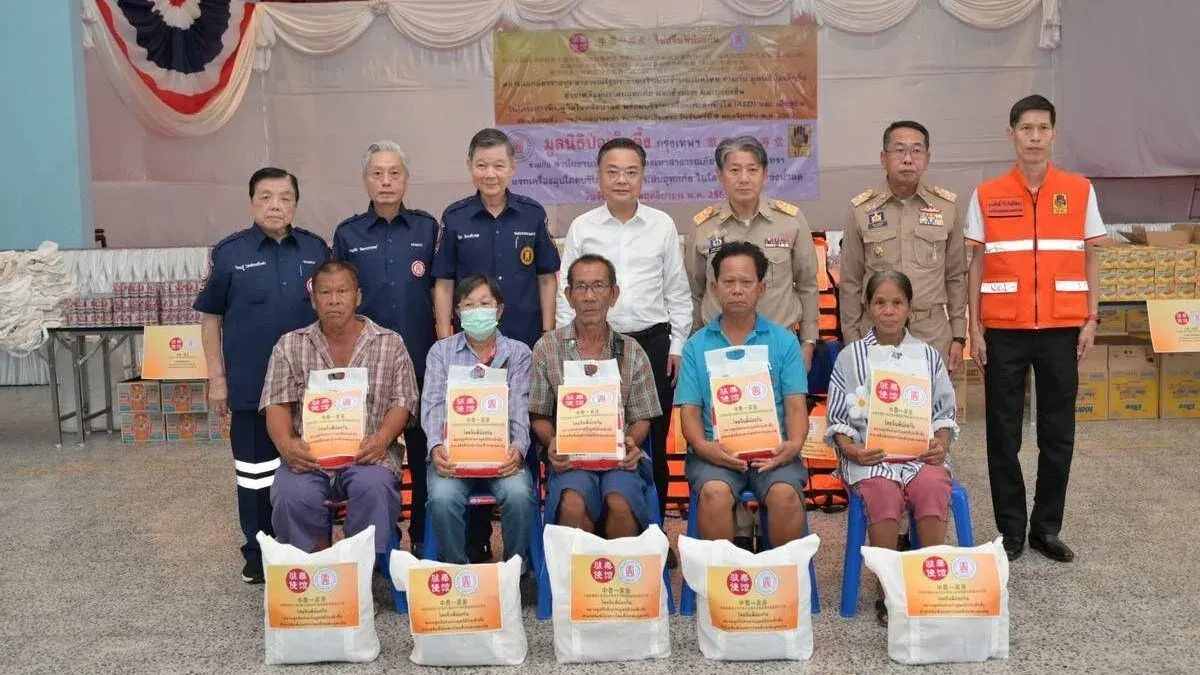
Turning learning into action is the core of the NBTC's latest mission to protect consumers and the environment. The agency launched the pilot project "NBTC Links Knowledge, Spreads Understanding, Thai Telecommunications Mission, and Professional E-Waste Management" at Ban Tham Suea in Kaeng Krachan district, Phetchaburi — the first model community for this initiative. The program builds awareness of proper e-waste management through practical, hands-on learning, beginning with easy, high-impact steps such as turning leftover electronic materials into inventions, useful items, and souvenirs. This reduces waste disposal and can create community income, offering a replicable model for other communities.
The NBTC recognizes the growing severity of the e-waste problem. Globally, e-waste reaches 62 million tonnes annually, while Thailand generates over 400,000 tonnes per year. All sectors must collaborate to address this by building correct public understanding. The NBTC therefore engaged directly with Ban Tham Suea — already a model community for natural resource and environmental conservation — to transfer knowledge on proper e-waste management, emphasizing a learning process that leads to real action, during a field visit in late October.
Beyond teaching the community how to sort e-waste — identifying which types have value, which are hazardous, and how to handle them safely — the activity fostered cooperation between the NBTC and Ban Tham Suea residents. The community is now poised to become a stronger environmental model and ready to expand this knowledge to other community networks in the future.