Thailand Launches Low-Carbon Communities to Combat Climate Change
Thailand's government is expanding a low-carbon community initiative across the country, empowering local residents to reduce emissions through waste management and sustainable agriculture practices. A pilot program in Mae Hong Son cut gree
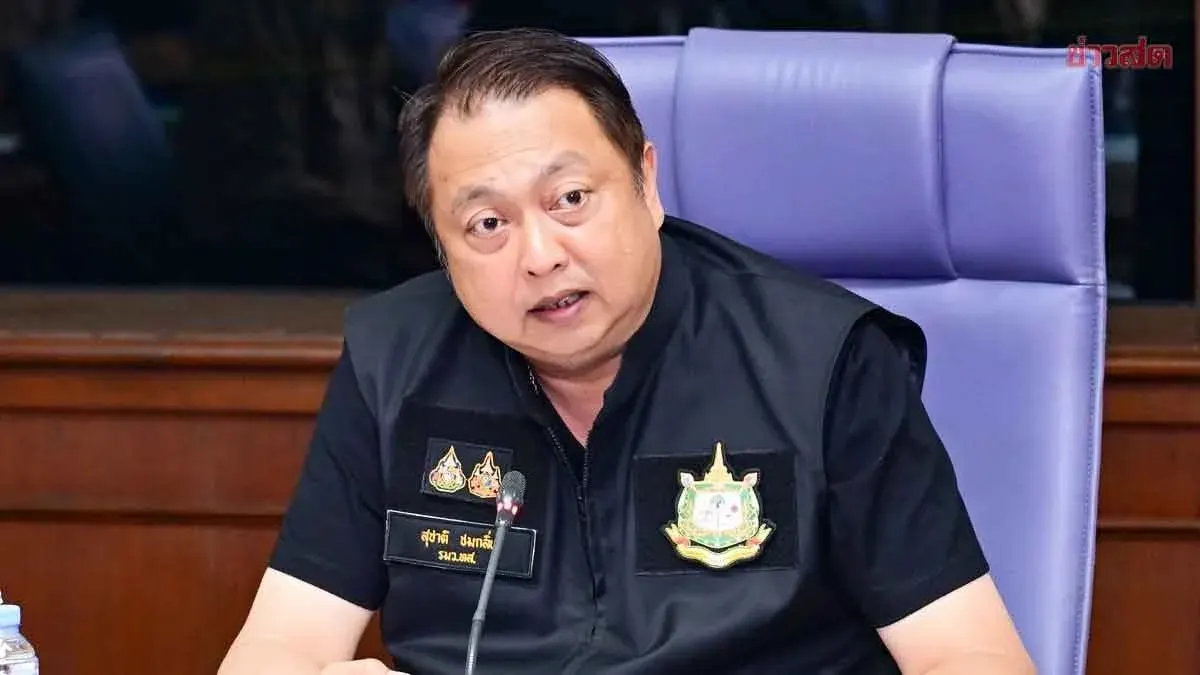
Natural Resources and Environment Minister Suchat Chomklin revealed on September 21 that the government under Prime Minister Anutin Charnvirakul is prioritizing environmental solutions and climate change adaptation, with action beginning at the local level. The Ministry of Natural Resources and Environment is accelerating the low-carbon community initiative to empower residents and networks to participate in greenhouse gas reduction and manage community resources sustainably.
The Department of Climate Change and Environment is implementing a low-carbon community pilot development project focusing on waste management and agriculture to support local greenhouse gas reduction. Working with community networks, local governments, and partner agencies, the program promotes waste segregation at source, reuses waste materials, reduces agricultural burning, and properly manages farm residues to cut emissions while conserving resources.
Dr. Pirun Saiyasidhipanich, director of the Department of Climate Change and Environment, said that building low-carbon communities requires local understanding and participation, especially through community networks that bridge policy to practice. The department provides knowledge, tools, and data on emissions and reductions so communities can plan and monitor their own progress and tailor development to their context.
Huay Pha subdistrict in Mae Hong Son is one of 20 pilot communities participating in the program. The community network received training on greenhouse gas data collection and developed a subdistrict emission reduction plan through household awareness campaigns, loudspeaker announcements, and waste management workshops.
Results show Huay Pha reduced greenhouse gas emissions by 9,878.82 kilograms of carbon dioxide equivalent, or 24.06 percent compared to baseline, and cut community waste by 35,114 kilograms, or 66.40 percent compared to before the project. "Huay Pha's success demonstrates that climate solutions can start from every household and community when people, local authorities, and government work together seriously," Suchat said, pledging to expand the low-carbon community model nationwide.