Cabinet Endorses Net Zero Strategy to Boost Green Economy
The Thai Cabinet has endorsed a comprehensive Net Zero strategy that integrates climate action with economic development. The plan spans clean energy expansion, electric vehicle adoption, sustainable agriculture, waste management, and carbon market mechanisms, targeting net zero emissions by 2050. Minister Surachai Chomklin emphasized the transition must be equitable, creating green jobs while protecting vulnerable groups.
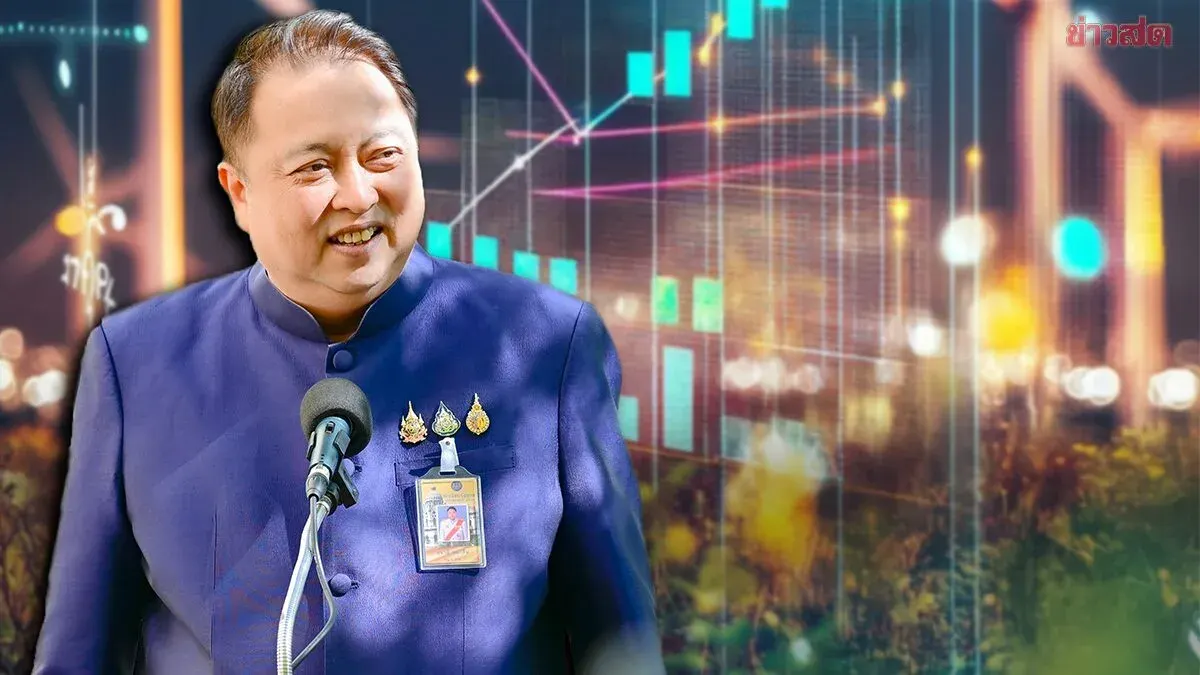
Minister of Natural Resources and Environment Surachai Chomklin revealed that at the Cabinet meeting on November 10, 2026, the Cabinet acknowledged the summary results of the consideration of proposals from House of Representatives members regarding a motion to study systematic approaches to climate change management and driving toward the net zero greenhouse gas emission goal (Net Zero), as proposed by the Ministry of Natural Resources and Environment. This resulted from inter-agency cooperation in incorporating legislative proposals to determine national climate change action guidelines, covering environment, agriculture, business and industry, energy, public health, law, and public participation, to link climate change response with economic development and quality-of-life improvements. Minister Surachai stated that the core of the consideration results aims to drive greenhouse gas reduction through increasing the proportion of electricity production from clean energy, energy efficiency, promoting electric vehicles and public transport, sustainable agriculture, waste management and separation, and increasing green areas, coupled with developing risk databases, early warning systems, and water management to prepare for climate change impacts. This also includes developing laws, carbon market mechanisms, and climate finance mechanisms to support investment and enhance competitiveness. Emphasis is placed on access to finance and technology, workforce skill development, and protecting vulnerable groups to ensure all sectors benefit equitably from the transition. 'Pursuing Net Zero is an opportunity to develop the economy, enhance trade competitiveness, and create green jobs, requiring cooperation from all sectors so that farmers, entrepreneurs, workers, and the public can adapt and benefit from the transition without leaving anyone behind,' said Minister Surachai. Thailand submitted its second Nationally Determined Contribution (NDC 3.0) to the UNFCCC on November 4, 2025, and its updated Long-Term Low Greenhouse Gas Emission Development Strategy (LT-LEDS) on November 6, 2025, setting a direction toward net zero emissions by 2050. The motion consideration results will help support bringing policy proposals into implementation aligned with the country's long-term goals.