New Book Explores Buddhist Teachings As Spiritual Healing
A new book titled 'Chanting to Heal When Sick' presents Buddhist teachings as spiritual medicine for physical and mental wellbeing, organized into three components: identifying the teachings, explaining their practical application, and desc
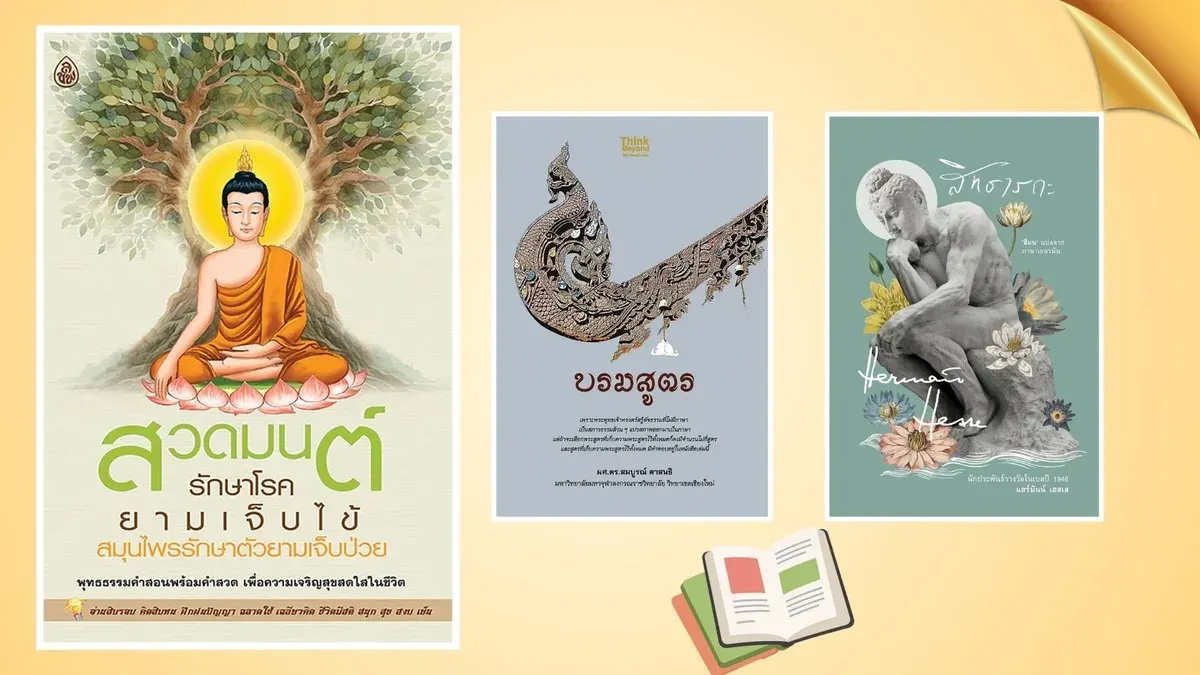
The book 'Chanting to Heal When Sick' is authored by the editorial team of Liang Chiang Publishing House and published at 18 baht. When discussing illness, there are two main types: physical and mental disease. Buddhist teachings function like medicine. Buddha was known as Bhaisajyaguru, the healing physician who used sacred medicine—the Dharma Osatha he discovered. The Buddhist community inherits this medicine prescription and shares it with others. Teaching Buddhist principles is like prescribing spiritual medicine, which must be done correctly to avoid harm. For complete and immediate results, the Buddhist medicine must be prescribed in three complete components: (1) identifying the medicine—the theoretical teachings Buddha presented for study; (2) explaining how to use it—the practical application of knowledge gained from study; and (3) describing its benefits—the results obtained from practicing these teachings. This book presents the method of 'chanting to heal the mind when sick' as Buddhist medicine, organized according to these three components: identifying the medicine by explaining its origins and meanings with translations and chanting instructions; explaining application through complete practical guidance; and describing benefits from following the teachings. The book aims to help readers achieve both physical and mental well-being through dedicating time to meditation, chanting, understanding the meanings, and following the recommended practices. The column also introduces two other books: 'Don't Forget—Know Yourself?' by Chaiyaphat Thongkambhang (160 baht) from Athing Book, which explores the importance of self-awareness and questioning one's life purpose; and 'Bromasuttha' by Sombuun Thasanthi, which discusses the comprehensive Buddhist scriptures, noting that the Tripitaka contains 84,000 Dharma teachings—82,000 from Buddha and 2,000 from monks—divided into 45 volumes with 25 being sutras.