New Police Chief Takes Seven-Year Term to Overhaul Force
General Samran Nualmaa was unanimously appointed Thailand's new national police chief on a seven-year term starting October 1, positioning him to undertake major reforms of the Royal Thai Police force.
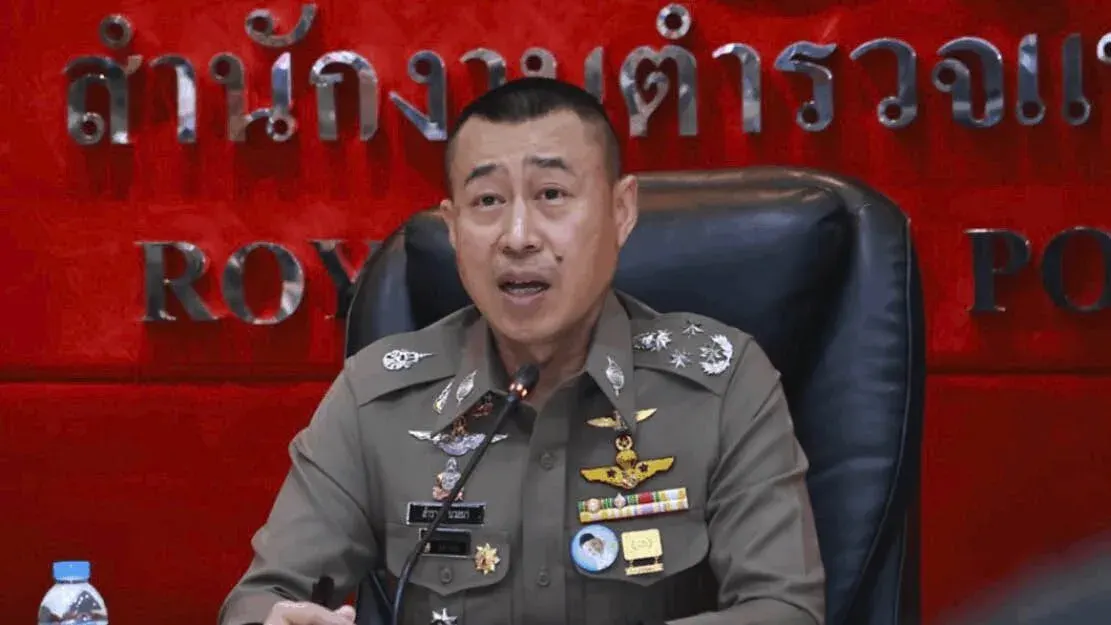
From October 1 onwards, the Royal Thai Police will enter a new chapter with General Samran Nualmaa taking the helm as the new national police chief, following a unanimous 12-0 vote by the Police Civil Service Commission on July 22. The decision was approved based on a proposal from Prime Minister Anutin Charnvirakul and Interior Minister, who chairs the commission.
General Samran had been widely expected to get the position as the succession race drew to a close, with no real competitors. There had been earlier calls to support the deputy police chief based on seniority, making General Nirandon Luemsri, the most senior deputy, a serious contender. However, the rules for appointing the national police chief do not mandate strict seniority—instead combining seniority with competence and capability.
When competence came into question, General Samran stood out. His police career began at the police academy and progressed through numerous stations, covering investigation work, suppression operations, and traffic duties. He rose to become superintendent of the academy before commanding the special inspection and operations unit that oversees the 191 emergency hotline, including both crime prevention and VIP protection divisions. He also commanded the special operations unit 191 "Arintharaj" in handling serious violent crimes in the city, and later served as Bangkok Police Commander overseeing the capital.
With broad government backing and support from senior figures, Samran's appointment was eventually secured, despite earlier proposals to bring in a transitional figure for one or two years given his long remaining service life. The advantage many see in his seven-year tenure is the opportunity to conduct comprehensive reforms and overhaul an organization plagued with numerous systemic problems. Chiefs serving only one or two years often accomplish little, whereas seven years allows a committed leader to restructure and revitalize the entire organization.