Nua Tae Founders Deny Misusing Employee Social Security Funds
Nua Tae restaurant founders denied misusing employee social security funds, attributing wage delays to cash flow problems during rapid expansion, though an Islamic bank loan recently allowed them to pay all outstanding salaries in full.
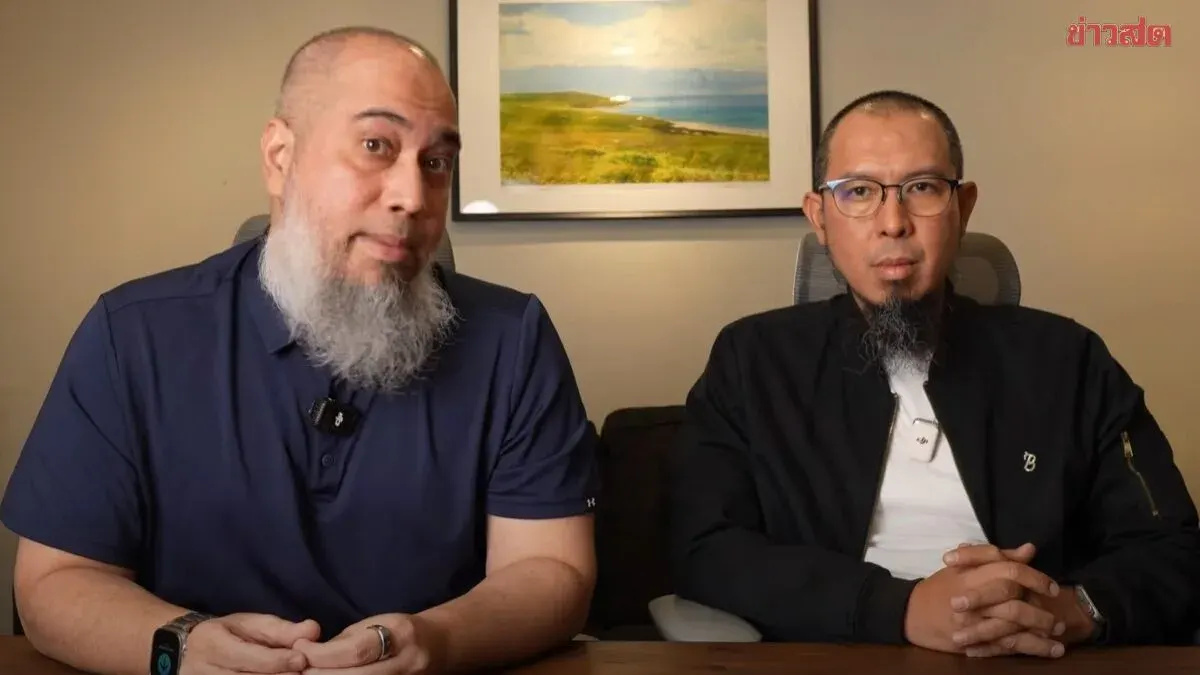
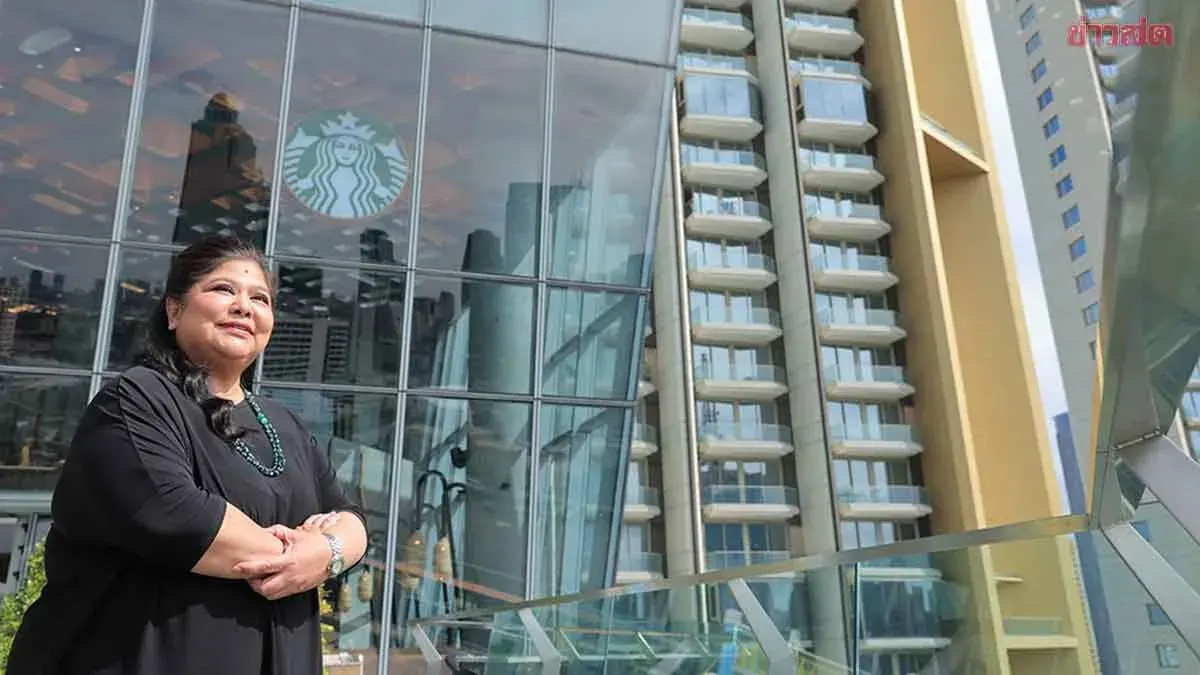
Veerachai Srutthai and Napasool Rambuth, founders of Company B Limited (Nua Tae restaurant), addressed questions about unpaid employee salaries and unreimbursed social security deductions, and clarified the company's future direction. Bangtote explained that during the COVID-19 pandemic, the restaurant employed 500–600 staff. When many venues were forced to close for safety reasons and mass layoffs occurred, the founders decided no employee should be left without work. They sold company shares to raise 60 million baht for payroll, though this decision marked the beginning of the company's long-term problems.
To attract new investors, the founders agreed to achieve sales targets high enough to enter the stock exchange. This forced rapid expansion beyond their original plan of no more than five locations. However, the accelerated growth revealed operational weaknesses and unforeseen costs accumulated rapidly. Six to seven months ago, the founders ran out of resources and stopped taking salaries themselves. For the last two to three months, they struggled to pay staff on time, delaying wages by approximately two months—a situation they deeply regretted.
Bangtote clarified that they did not misappropriate employee social security contributions. Rather, due to cash flow problems, they had insufficient funds to pay both salaries and social security contributions, not a matter of diverting money. An Islamic bank recently provided financial relief, allowing the company to pay all outstanding employee salaries in full. He confirmed that no employee has any deficiency in benefits, and all can claim full social security coverage. Going forward, the company will cover any shortfalls so employees can claim from the company directly. As of now, all salaries are paid in full and social security benefits are completely accessible.