Opposition Demands Government Action on Toxic Myanmar Mining Imports
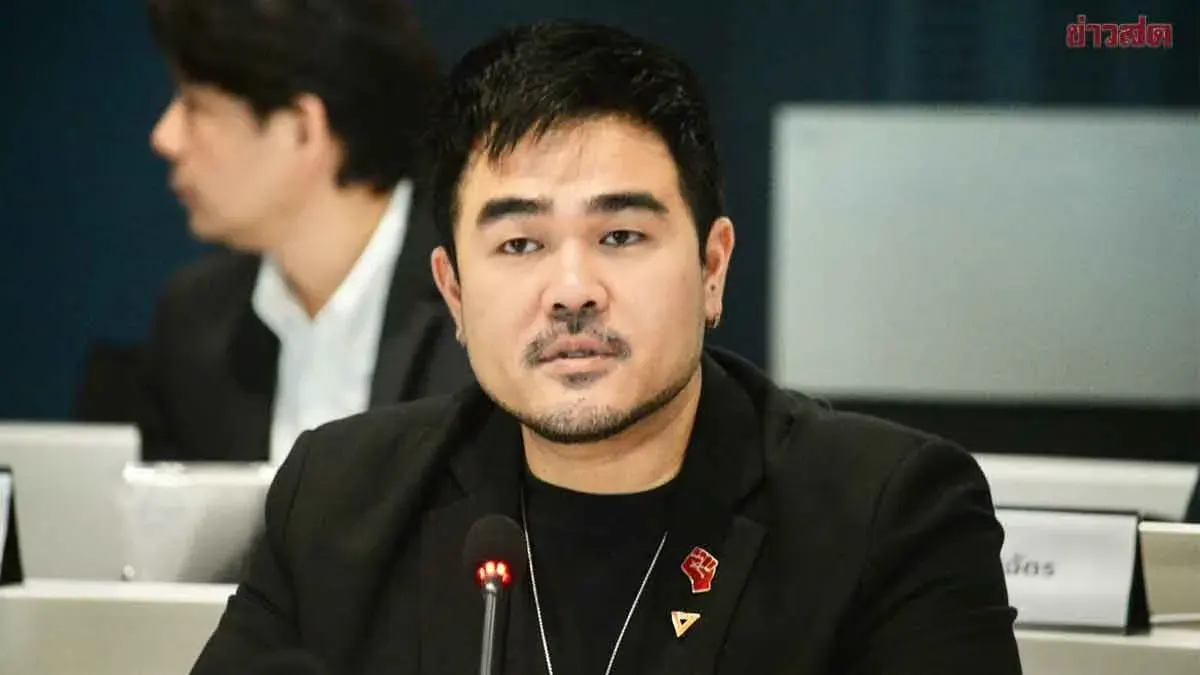
Prachachon Party leader Natthaphong Rueangpanyawut urged the government to act immediately on toxic contamination in Thai rivers linked to mining in Myanmar, where heavy metals now exceed safety limits by over 30 times. He demanded the Commerce and Industry Ministries inspect Thai firms importing Myanmar minerals and called for AMLO to trace related money flows, while criticizing the government's response as insincere and limited to photo ops.
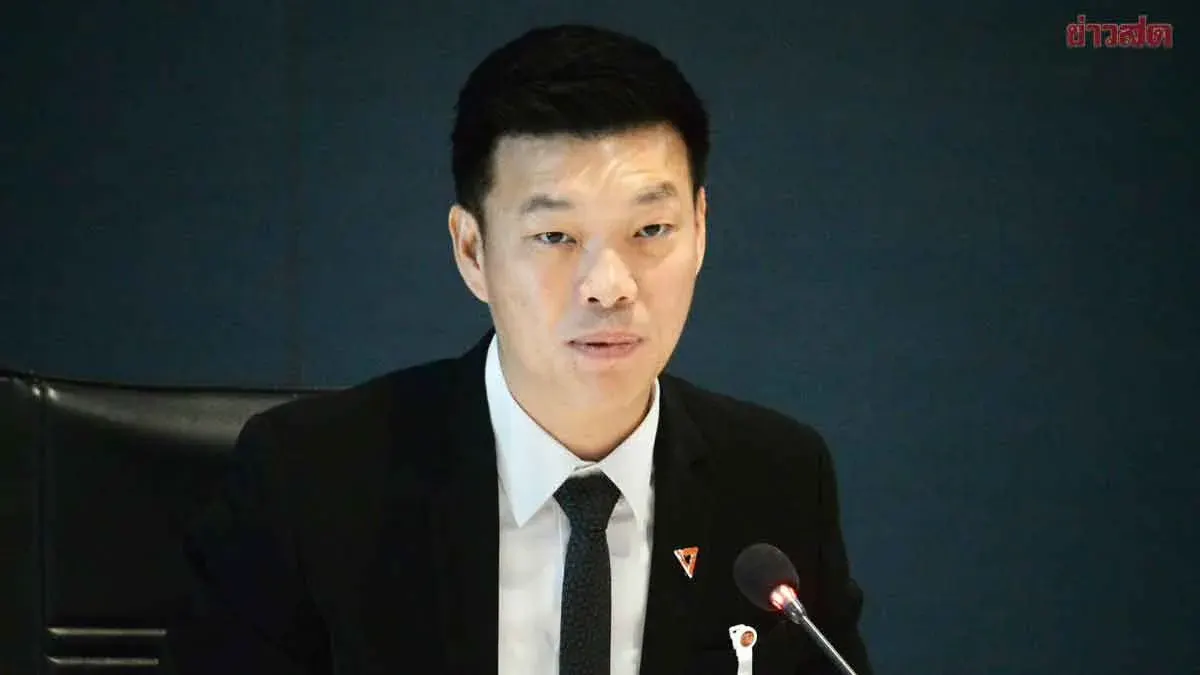
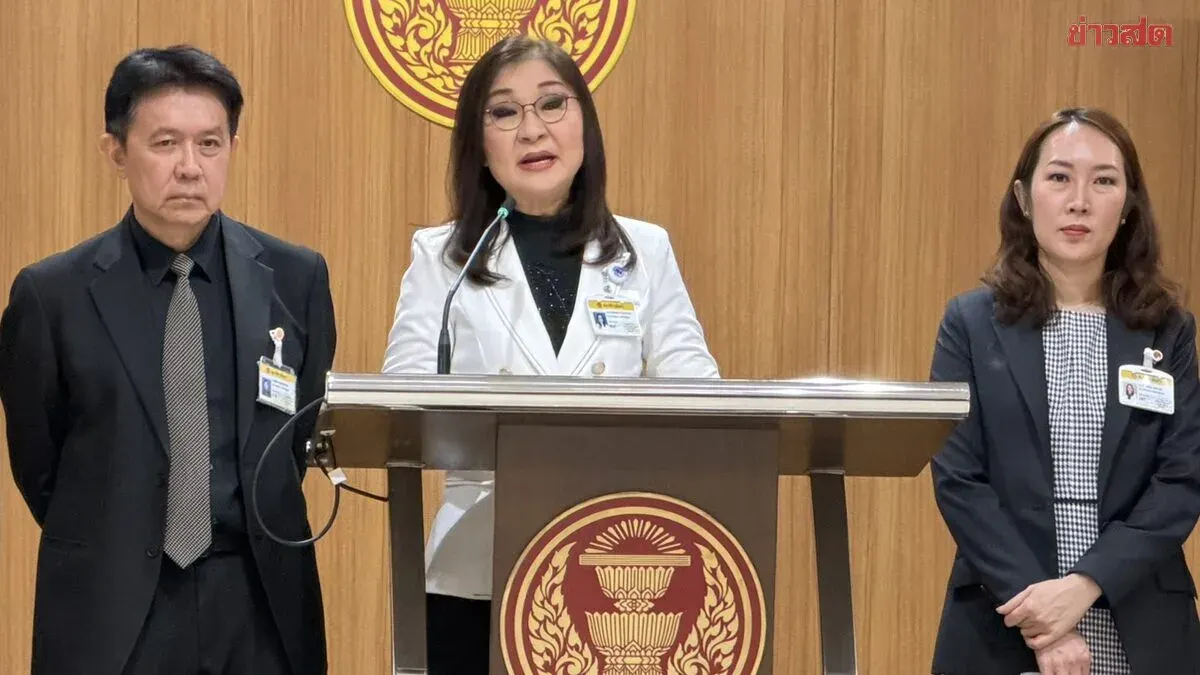
Prachachon Party list MP and leader Natthaphong Rueangpanyawut held a press conference at 10:00 AM on November 16, 2026, at Parliament after the cabinet meeting. He said he and the Prachachon Party have continuously tracked the problem of toxic contamination in multiple rivers. Previous reports showed heavy metals in rivers exceeding standards by 28 times, but monitoring over the past weekend found some rivers exceeding 30 times the limit. Yet past government work still lacks sincerity in addressing the problem. One sees Interior Minister Anutin Charnvirakul's field visits as mere photo ops; only when the problem widened did he take action to inspect, but only checking water production under the Provincial Waterworks Authority — just 15% of total consumption. Many village water systems and other raw water sources remain uninspected.
Also, past news indicated the Thai government prepared to sign an MOU with China to establish a joint lab for toxic analysis with Mae Fah Luang University, but no signing actually occurred. "While a lab for toxic testing is necessary, the problem has already gone beyond mere detection for prevention, because it has spread widely. Previously the cabinet announced finding toxic residue in rice grains, and we can no longer trace which rice from contaminated areas has been distributed to consumers. This is our gravest concern," Natthaphong said.
He added that previously he and Prachachon Party MPs submitted information on 2,676 mining sites in Myanmar, urging Chinese representatives to discuss joint environmental measures. They expected the government to follow up, but during the Chinese Premier's recent visit to Thailand, there was no discussion of solving the toxic contamination at all.
Therefore, he submitted two demands: 1. Domestic measures the government can take immediately: the Ministries of Industry and Commerce can use their authority under the Minerals Act or the Import-Export Act to inspect Thai companies importing minerals from Myanmar for transit to China. If minerals come from non-standard mining, there must be preventive or punitive measures against involved companies. He also asked the Anti-Money Laundering Office (AMLO) to investigate money trails of related companies for links to grey capital or syndicates to expand the investigation. 2. International measures, which are harder because most mines are in Myanmar's minority areas where the military government lacks full oversight or control.
Prachachon Party list MP Sorasak Somkraisarak criticized the House Speaker's performance for rejecting a demand to form a national working group and select representatives for the AIPA meeting with balance between opposition and government. Also, the failure to seek MP consensus on key issues for parliamentary diplomacy has cost Thailand the chance to use the ASEAN framework on transboundary pollution, human-induced disaster management, and toxic leakage solutions. He therefore called for...