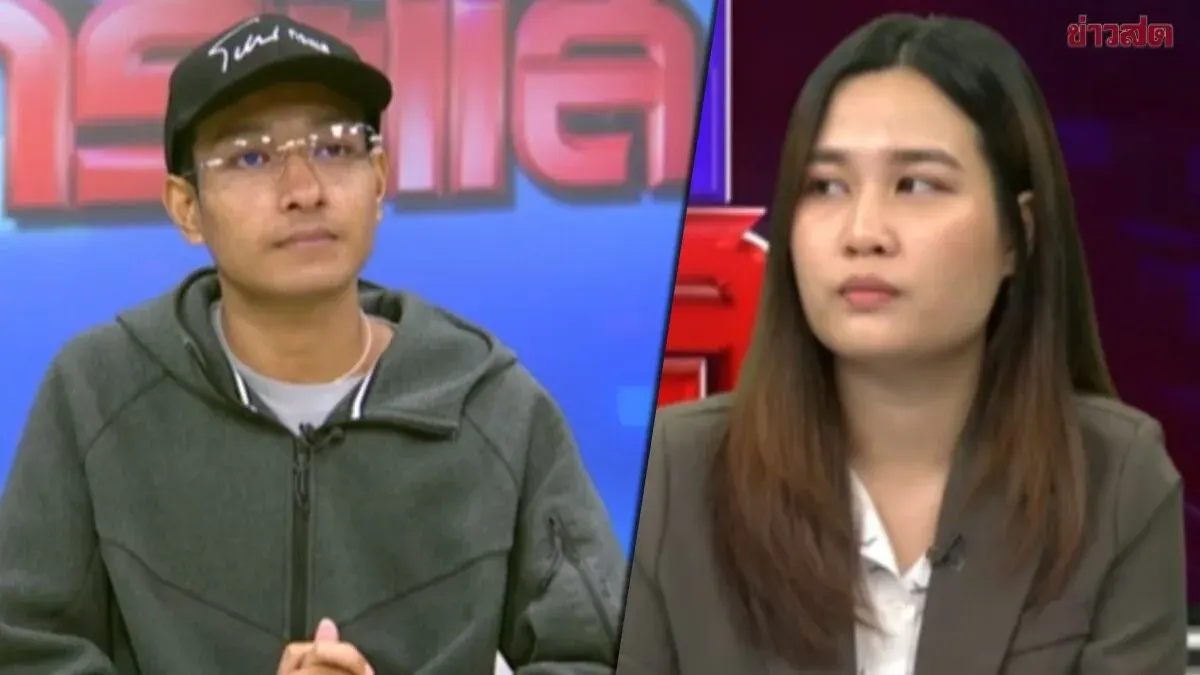
Opposition Leader Says Government Shouldn't Set Debate Days Alone
Opposition chief Parit Wacharasindhu said the government and opposition have not yet agreed on the schedule for the no-confidence debate, arguing that setting the number of days unilaterally is improper. He noted that past censure debates under the 2017 constitution allocated four days of discussion plus a vote day, and proposed five days for the current motion targeting the prime minister and 17 other ministers. Parit urged that the House speaker should convene party whips to reach a consensus before consulting the Cabinet.
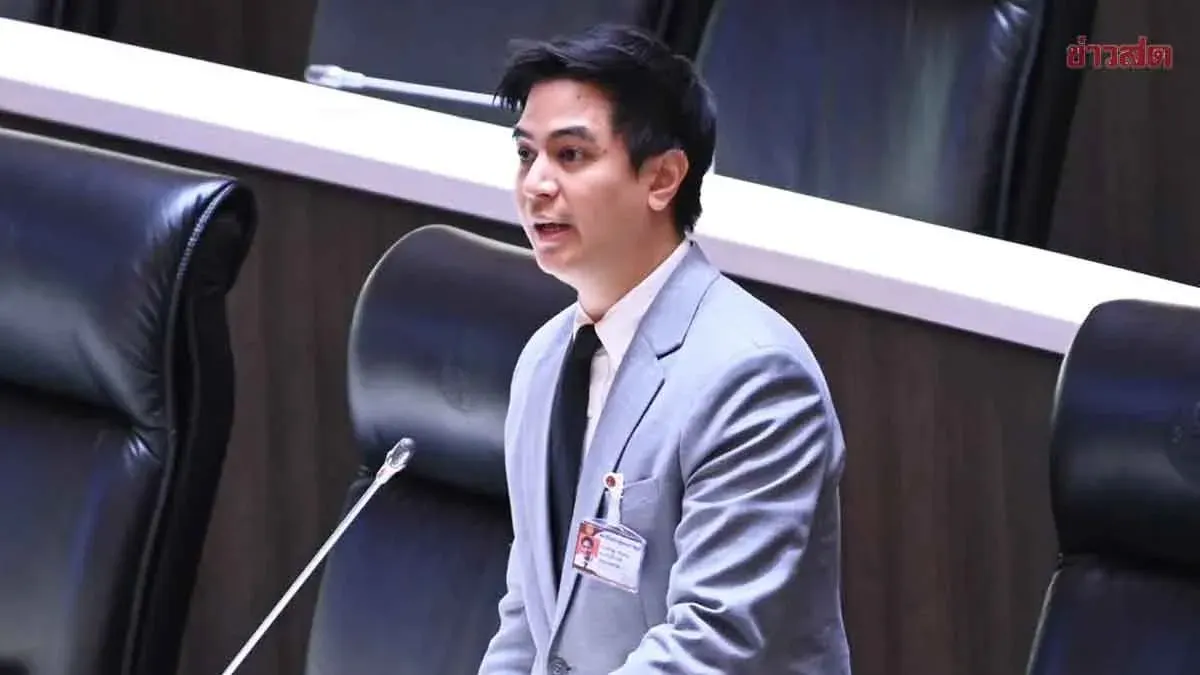
Parit Wacharasindhu, list-MP for the People's Party and opposition whip chief, posted on his Facebook page that no formal talks have taken place between the government and opposition regarding the number of days or schedule for the no-confidence debate motion submitted to the House speaker on October 8. He stressed that parliament is not a government branch and that setting the agenda or work procedures requires consultation among all parties, not a unilateral government decision. As a no-confidence debate is the main tool the opposition uses to scrutinise government performance, and the opposition knows better what issues the motion will cover, it is inappropriate for the government to dictate how many days are sufficient or to impose its own timetable to limit debate. Parit said the opposition believes the priority is allocating enough time for the opposition to present its allegations and for ministers to respond. The proposal for five debate days is based on past precedent; under the 2017 constitution, all four previous no-confidence debates against the prime minister and individual ministers during the Prayut Chan-o-cha administration allocated four full days of debate, with a vote on the fifth day. He cited examples: February 2020 (six ministers), February 2021 (ten ministers), August-September 2021 (six ministers), and July 2022 (eleven ministers). Given the current volume of evidence and the fact that this motion targets the prime minister and 17 other ministers (18 in total), the opposition considers five days for debate and rebuttal reasonable, while acknowledging that proposing excessive time could invite public criticism. He added that once the House speaker finishes reviewing the motion, he expects the speaker to convene a meeting of all party whips; if they reach an agreement on the number of days and timing, the next step will be to consult the Cabinet on the appropriate schedule and dates.