Opposition Leaders Address Students on Southern Border Peace Process
Opposition lawmakers told Prince of Songkla University students that the southern border conflict requires political dialogue and transparency over military force, citing 600 billion baht spent since 2004 with unclear results.

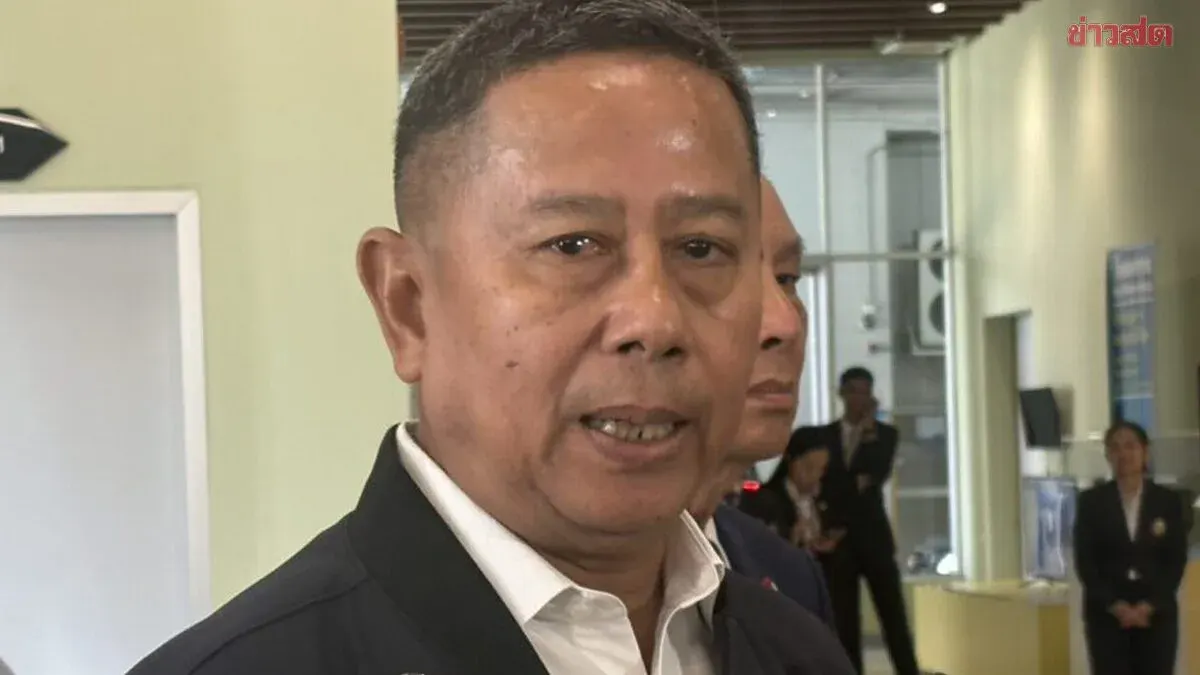
On July 17, opposition leader Natthapon Rueangpanyawutthi and fellow Phak Pracharatchon (People's Party) lawmakers held a political science lecture for first-year students at Prince of Songkla University's Pattani campus on the topic of transparent governance and progress toward peace in the southern border region. The session opened for student questions. When asked about peace negotiations, deputy party leader Romsaman Punjorn stated that the current government under Prime Minister Anutin Charnvirakul shows greater commitment to peace than its predecessor, noting that technical working groups have restarted discussions with some progress visible. On security concerns in the three southern provinces, party leader Natthapon revealed that since the violence began in 2004, the country has allocated over 600 billion baht to the region. However, he noted the government cannot verify whether these funds effectively address the problems. More than half of the budget went to the National Internal Security Command (NISC), making transparency the first priority for solving the crisis. Deputy leader Romsaman added that before proposing solutions, officials must first define what the actual southern border problem is, warning that misdiagnosed remedies risk creating new conflicts. He suggested that if previous military-led approaches had worked, the crisis would have ended long ago. Romsaman identified deeper issues—unresolved grievances, distrust of state institutions, and feelings of discrimination—that fuel the conflict. These problems, along with inequality, require resolution to restore public confidence in justice and the state. He emphasized that military force alone cannot solve the problem, and that political dialogue must lead military strategy to address root causes.