Thailand Tightens Freight Rail Safety Rules, Boosts Tourism Rail Services
Thailand is tightening freight rail safety standards and expanding tourism rail services under new legislation approved by the Railway Transport Policy Committee. Key measures include banning freight trains from Bangkok during daytime hours
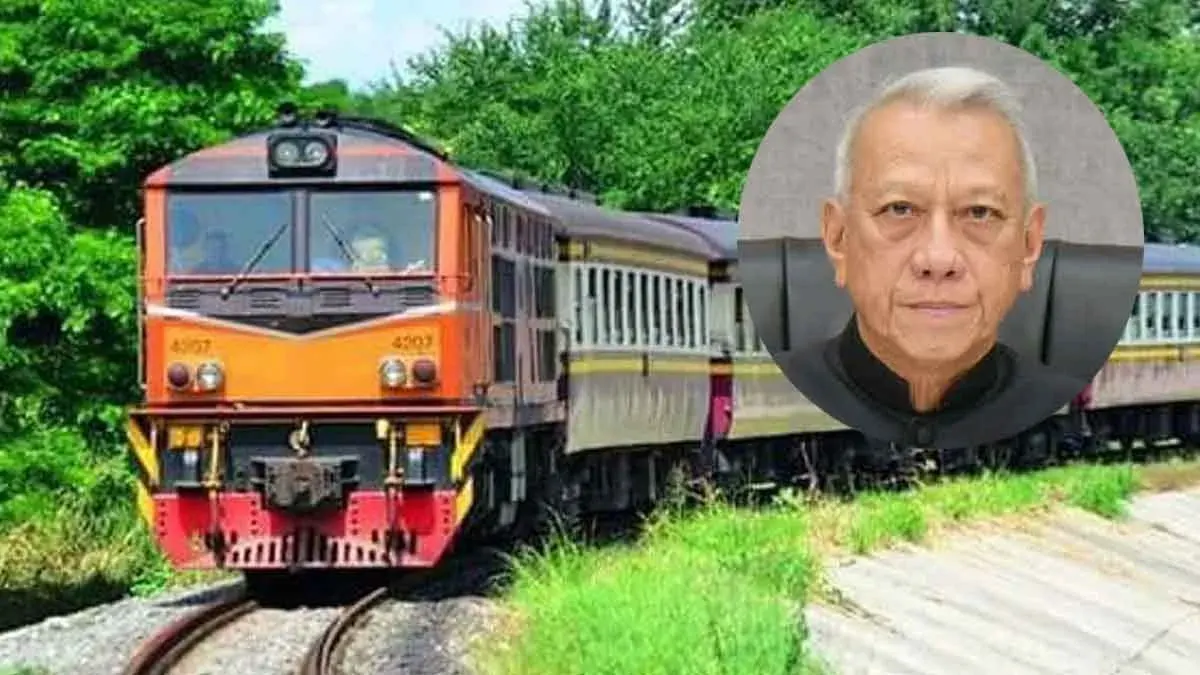
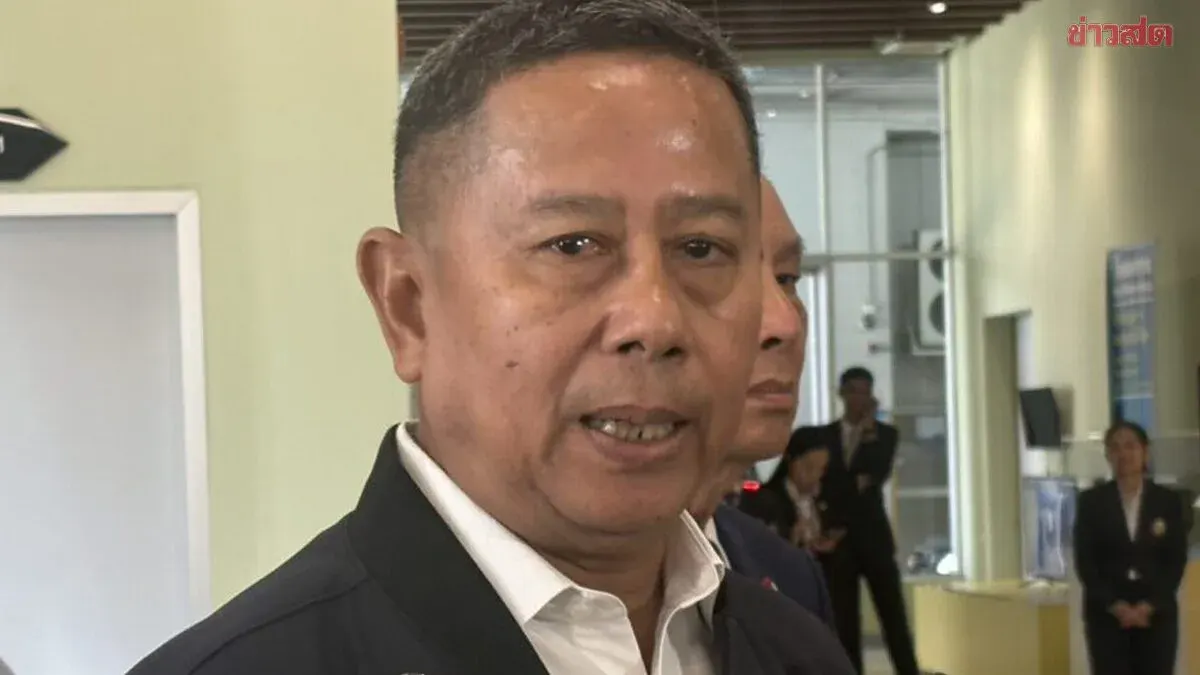
Deputy Prime Minister Pipat Ratchakitprakarn presided over the second 2025 meeting of the Railway Transport Policy Committee to review legislation and major policy initiatives designed to address safety while maximizing benefits from the rail system to boost the nation's economy. Pipat disclosed that the meeting's primary objective is to elevate Thai rail safety to the highest international standards, particularly following freight train accidents with passenger buses—requiring urgent measures to protect public life and property while using rail as a driver of economic growth, especially in tourism.
The committee prepared to review safety legislation and rail transport operation standards in four dimensions: First, enhancing safety and organizing urban freight rail transport by designating Bangkok as a special surveillance zone—banning freight trains during daytime except 22.00–04.00 hours, capping speed at 30 km/h maximum, and prohibiting fuel transport throughout Bangkok within 24 hours except in urgent or public interest cases. Second, integrating rail with tourism to stimulate regional economies and distribute income through a subcommittee coordinating between the Transport and Tourism Ministries, improving rail infrastructure under Tourism for All principles to boost provincial economies and local communities sustainably.
Third, the committee endorsed a Bangkok and metropolitan rail transport development plan under the 2025 Rail Transport Act as a long-term framework for expanding electric rail networks with seamless mobility and integration with other public transport systems to ease travel, reduce congestion, and support sustainable urban growth. Fourth, the committee approved six draft secondary laws establishing legal foundations to control operator, vehicle, and personnel standards—covering operator license requirements (corporate entities with sufficient registered capital, 30-year license terms), rail vehicle types and engineering/safety specifications, and driver/operator qualifications (age, physical health, mental health, and professional skills). Additionally, the committee advanced transparency through electronic licenses (both operator and vehicle permits) for public verification, and mandated operators maintain insurance coverage throughout license terms with minimum protection levels determined by license category.