Opposition Leaders Target Corruption From Cradle to Grave
Opposition MPs highlighted how corruption affects Thais throughout their lives, from fraudulent birth certificates sold to foreign investors to textbook kickbacks draining school budgets by hundreds of millions annually.

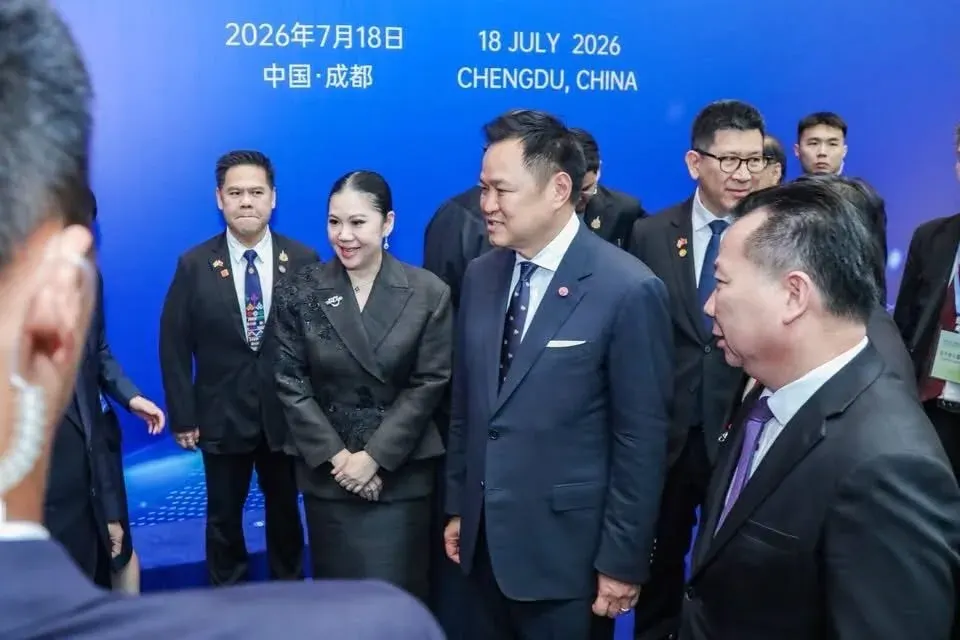
On July 20, 2025 at 9:30 a.m. at the Novotel Bangkok Sukhumvit 20, opposition leaders in parliament held a public forum titled "Born, Aged, Sick, Corrupt: How Can Thais Break This Cycle?" as part of their fiscal year 2025 outreach program.
Nattapong Rueangpannitwit, a list-based MP and head of the Prachathai Party, opened the forum by explaining that corruption affects all Thais across their entire lifespans. He categorized corruption into five groups: (1) rights people should receive but don't due to erosion—such as welfare payments, textbooks, and school milk; (2) unnecessary payments or overpaying for services like permits and utilities; (3) indirect harms from corruption unrelated to the individual, such as substandard public construction projects and building collapses; (4) reduced accountability when wrongdoers pay bribes to escape responsibility, as seen with polluting factories; and (5) payments for undeserved benefits, such as buying Thai nationality or "surrogate father" schemes.
List-based MP Piyarat Jongthep of Prachathai described birth-related corruption, revealing that foreign investors in shadow economies seek Thai nationality above all else. He disclosed that foreign-Thai couples pay approximately 110,000 baht to purchase birth certificates for children through chat group brokers who arrange Thai "surrogate fathers," which he called a national security threat. He warned that within 10-20 years, such children could claim full Thai rights, including voting eligibility, and urged the state to conduct DNA testing before issuing birth certificates.
List-based MP Prit Wachrasindsun of Prachathai addressed education-sector corruption, citing textbook fraud where publishers charge schools full price while kickbacks go to school administrators. If one in ten schools engage in this practice, it represents 100-200 million baht in annual budget leakage. He identified three hidden costs destroying the nation's future: degraded educational quality as students miss new learning methods, distorted policy direction reduced to mere self-interest, and corrupted values—despite teaching students "grow up, don't cheat," they learn corruption is acceptable when it surrounds them and their questions are silenced.
List-based MP Sirikanya Tansukul of Prachathai spoke about corruption across other life stages.