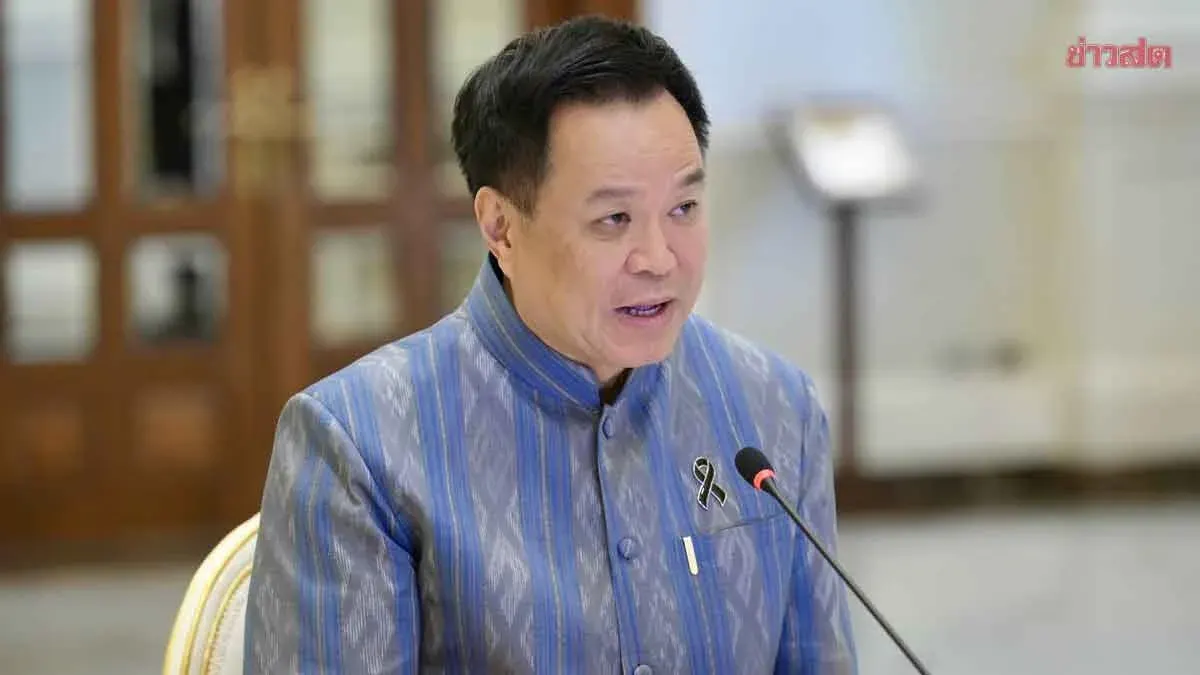
Opposition Presses Government for Fair No-Confidence Debate Time
Opposition leader Natthaphong Ruengpanyawut is pressing the government to allocate fair debate time for a no-confidence motion targeting 18 ministers. Negotiations with government whips remain unresolved, with the opposition willing to delay the debate into November to avoid a schedule clash with FY2025 budget hearings. Natthaphong stressed that the scrutiny stage occurs only once a year and must allow the opposition to perform its duties fully.

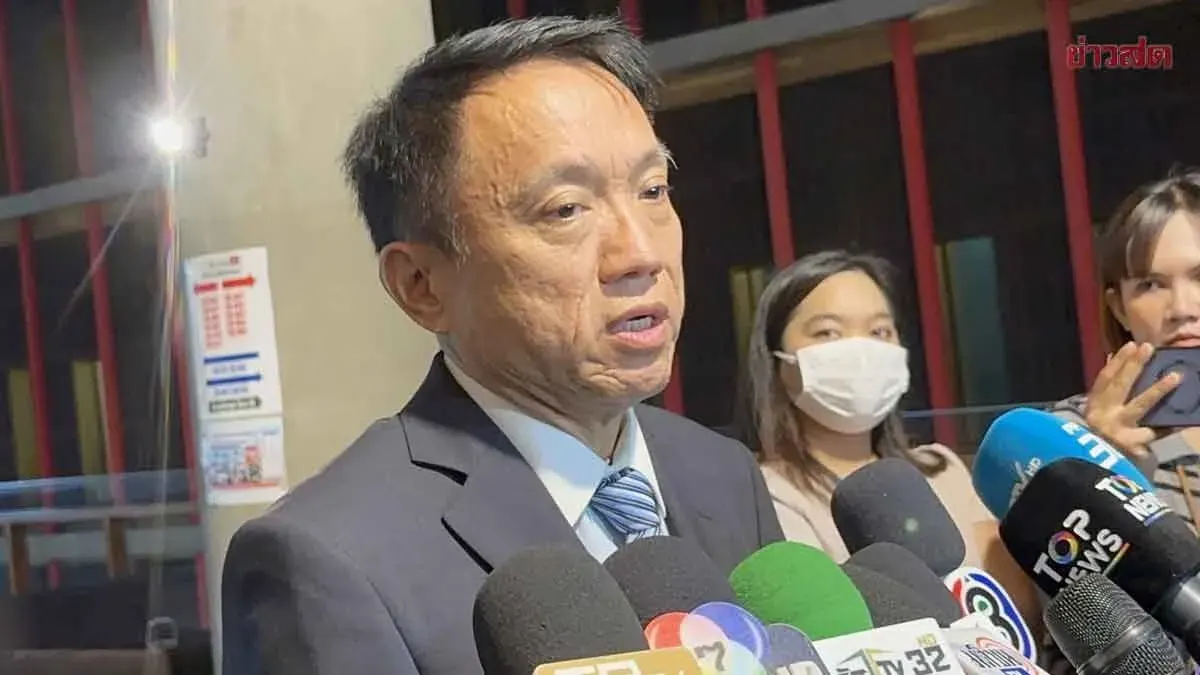
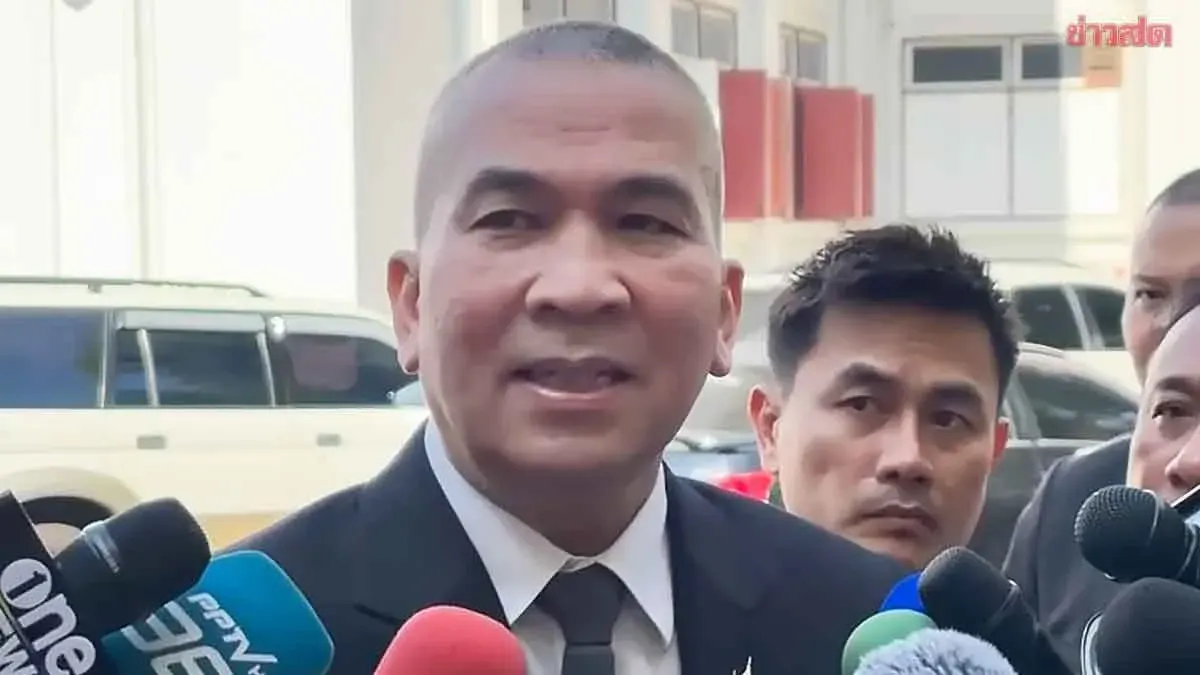
On October 22, 2026, at Parliament, Natthaphong Ruengpanyawut, party-list MP and leader of the People's Party, in his capacity as opposition leader in the House of Representatives, gave an interview regarding the three-whip coordination meeting held on October 21 to set the framework for the no-confidence debate. Natthaphong said negotiations had yet to conclude and would likely continue today. He believed the main sticking point was the time allocation for the debate. While understanding the Prime Minister and cabinet have obligations, he believed their schedules could be adjusted and hoped today's meeting would finalize the time and dates for the debate. He stressed that Parliament's joint duty is to provide a scrutiny stage, and the government should grant the opposition fair and sufficient time.
Natthaphong noted that although he did not attend the October 21 meeting, the information was widely known: 18 ministers face no-confidence motions, compared to fewer ministers in previous rounds that still received four days of debate with a vote on the fifth day. Therefore, the 18 ministers this time should also receive appropriate debate time.
Asked whether the five days might fall in November rather than late October, Natthaphong said the opposition is ready at any time; the exact period depends on the executive's schedule. The opposition is flexible and willing to shift by one to two weeks — that is not the core issue. The substance is the debate stage, which must give the opposition full time because a no-confidence motion can be submitted only once per parliamentary year. He also expressed concern that if the government rushes to finish by late October, citing the Prime Minister's November commitments — which can actually be moved — it would force two stages, the no-confidence debate and the FY2025 budget hearings, to collide. The Budget Bureau has already released a calendar showing special hearings in late October where the executive must listen to MPs' views on the FY2025 budget before agencies submit their requests. The government must provide clarity.
On whether the government might offer more time as a bargaining chip, Natthaphong said he did not want the matter played out through the media; all sides should agree directly because on the scrutiny stage the executive has a duty to answer the opposition in Parliament. This happens once a year, so principles must be set to let the opposition perform its duty well. He believes the government can manage this.
Asked if the government has reduced the opposition's time and whether it can explain fully, Natthaphong said, for fairness to the government, the opposition also wants to hear its explanation of the issues raised. They do not want a scrutiny stage where only the opposition speaks while the government