Opposition Warns Against Rushing Parliament Session
Opposition lawmakers warn against rushing parliamentary sessions, citing concerns that strict 7 p.m. adjournment times are limiting debate time on key issues including air quality management and the Election Commission's conduct.
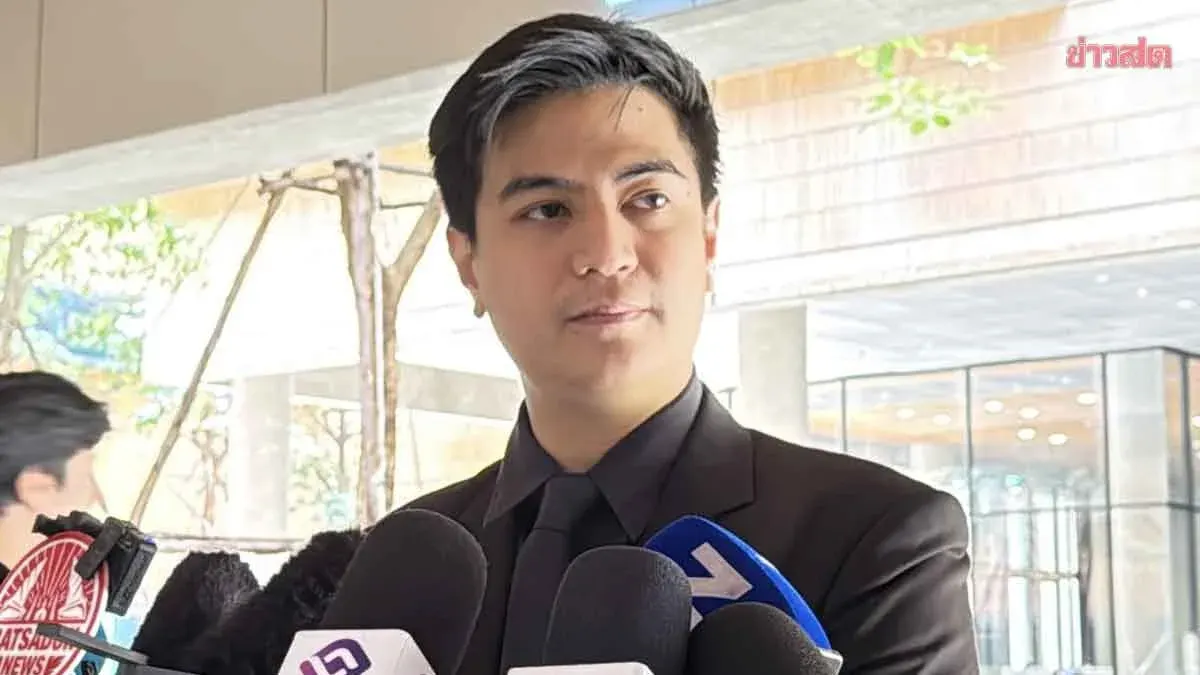
At 12:05 p.m. on September 3, 2025, Peeraphan Korthong, a Pheu Thai list MP and party deputy leader, spoke about an incident in which Mallika Jirapanwanich, the first deputy speaker of the House of Representatives, muted MP Pattrapong Leelapat from Chiang Mai while he was debating a draft air quality management bill. Peeraphan outlined two separate issues: first, the propriety of Pattrapong's remarks, which Pattrapong has already withdrawn, thus resolving that matter; and second, the overall functioning of parliament, where he called for cooperation from all sides, including both the speaker and deputy speaker, to allow sessions to run into evening or night when necessary.
Peeraphan explained that one root cause of the previous day's incident was that speaking slots allocated to the speaker and deputy speaker seemed to require adjournment by 7 p.m. Speakers initially given seven minutes were cut to five, and if they spoke even a few seconds over time, they were stopped immediately, even mid-conclusion. This did not happen only to Pattrapong but also to other Pheu Thai MPs. "If you look at past parliaments, whenever there was a heavy agenda, I believe all sides were willing to continue into the evening or night. But in this parliament, we have repeatedly seen attempts to set a fixed end time, which squeezes the time available to MPs from both the opposition and government who wish to debate," he said.
Peeraphan added that today's parliament will debate the Election Commission's annual report for 2024 and 2025, which concerns the commission's conduct during the senate election. He had already discussed the matter with the speaker on the morning of September 2. "I hope there will be no attempt to adjourn early today to block this debate. I want to seek cooperation from the opposition, the speaker, and the deputy speaker to allocate time so parliament can sit into the evening or night as needed, without fixing a rigid adjournment time, which would restrict members' right to debate," Peeraphan said.