Over 100 Victims File Complaint Over Inaccurate Medical Records in Morsadok System
Over 100 people have filed a complaint with Thailand's Public Health Ministry over inaccurate medical records in the Morsadok telemedicine system, demanding a full investigation and legal action against those responsible within 15 days.
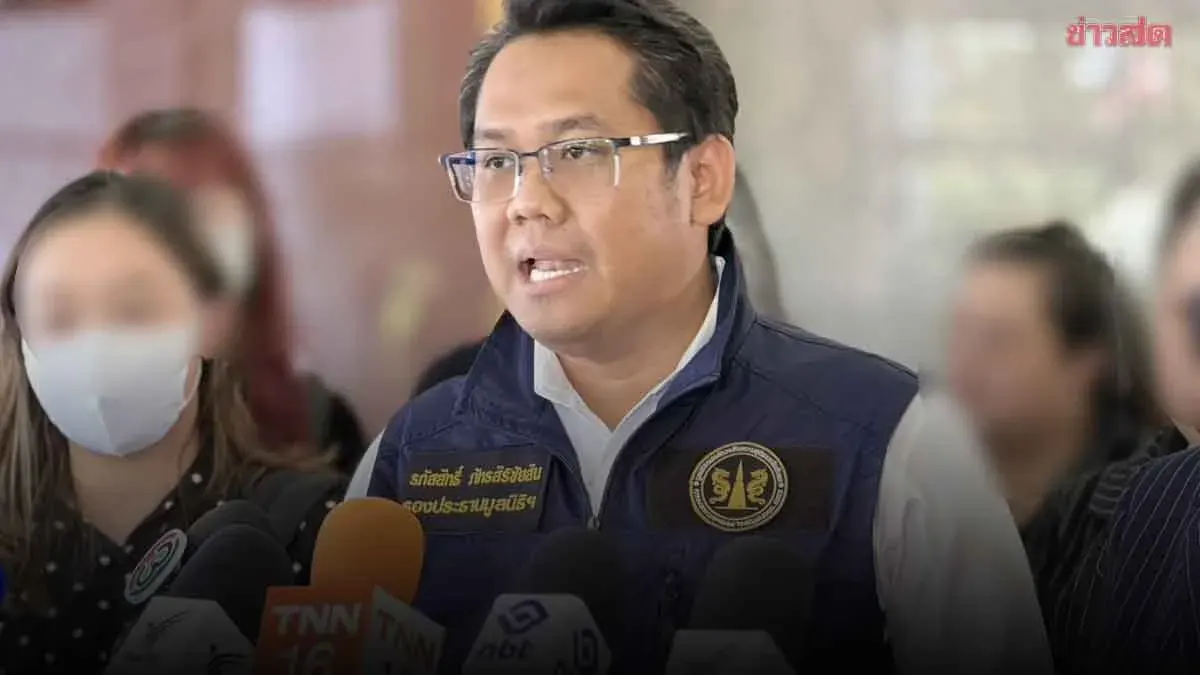
On August 3, 2025, at the Ministry of Public Health, Raphasit Phathasirichaisin, deputy chairman of the Justice Recovery Foundation, led representatives of over 10 victims of inaccurate medical data in the Morsadok telemedicine system—including discrepancies in treatment records, health screening results, diagnoses, and medication history—to file a formal complaint with Public Health Minister Pattana Porpattano through the ministry's complaint office. The minister was unavailable as he was inspecting a dermatology institute. The complaint demands an urgent investigation and prosecution of those responsible if false data has been entered into the system.
Raphasit stated that the group now represents over 100 affected individuals and rejected the ministry's preliminary explanation that the errors were merely "human error" or caused by duplicate names. The victims, many of whom are real people, found that their treatment histories in the system did not match reality. The complaint contains four key demands: (1) conduct a thorough factual investigation to identify which hospitals, individuals, and personnel entered the data; (2) urgently correct and delete all inaccurate records from the system and issue formal written confirmations to all affected parties that the errors resulted from system malfunction, to prevent future legal consequences; (3) the Ministry of Public Health must pursue strict and urgent legal action against all responsible parties in both criminal and civil cases; and (4) investigate and report findings to all listed victims within 15 days.
When asked if he wanted to identify the wrongdoers, Raphasit stated that there must be accountability, as someone had to have entered the data into the system and it cannot simply be blamed on miscommunication errors. Without enforcement action, similar incidents will recur in the future.
"All affected parties wish to pursue both criminal and civil cases, but we are giving the Ministry of Public Health a chance to investigate first," Raphasit said. "If no clear answer is provided within 15 days, we will proceed with legal action immediately. However, we sympathize with operational staff who may have been pressured to meet performance indicators (KPIs), and we urge them to reveal all facts."
When asked about impacts on health insurance claims, one victim, Haru, revealed that many are anxious and afraid to come forward, fearing it could affect future insurance approval or claims. They are calling on the Ministry of Public Health to notify all insurance companies nationwide that these data discrepancies do not reflect the actual medical histories of the public.
Regarding coordination with other agencies such as Health Link or the National Health Security Office, Raphasit stated that the Ministry of Public Health should take the lead in coordinating all relevant agencies, as the public should not have to handle the matter themselves when they did not cause the error.