Panus Thai Luan Urges Labor Action After Election Loss
Panus Thai Luan lamented that many workers who promised to vote in the social security board election did not turn out, blaming poor outreach and limited campaign reach. He said his team will meet on October 18 with labor council representatives to analyse the defeat and improve future mobilisation. Panus stressed that gaining board seats is vital for pushing progressive reforms in Thailand's social security system.
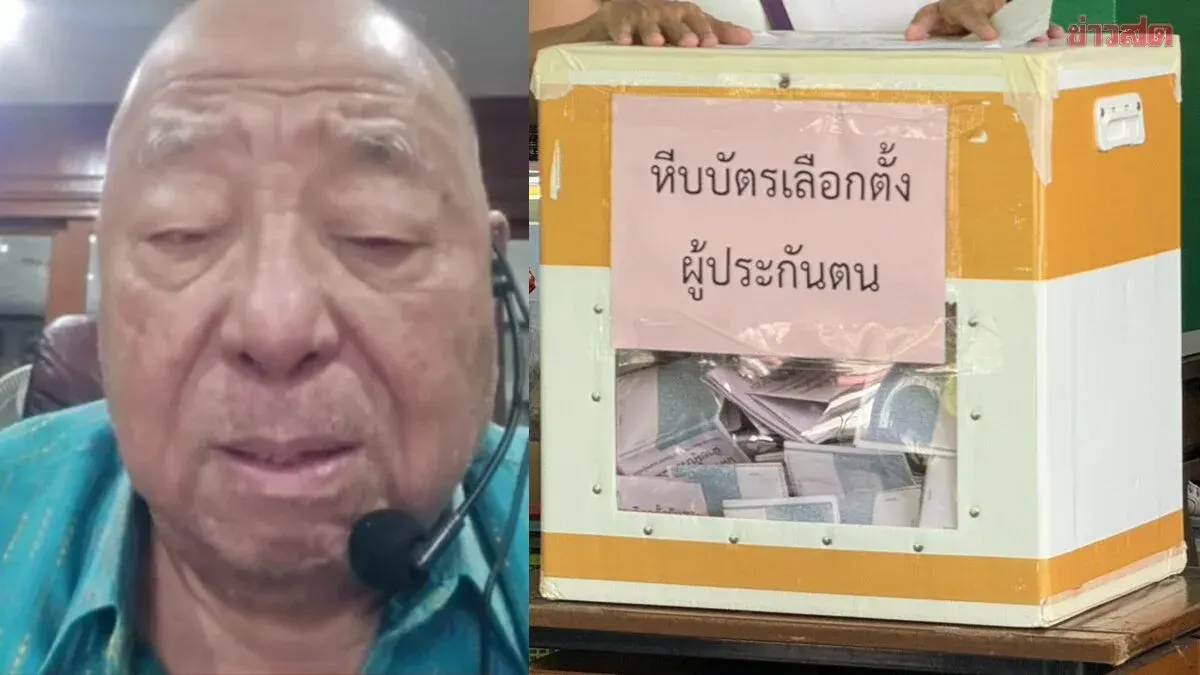
Panus Thai Luan, former social security board member and president of the Workers' Organization Council, spoke on the program Labor News Talk Off‑Air after the social security board election, whose unofficial results showed the Progressive Social Security team taking the top seven spots among both employers and insured persons. He said, “I am not overly worried about winning or losing; I want our team’s candidates to have a chance to be elected so they can work and push forward progress in social security.” Panus added that he campaigned across labor councils and factories, trying to explain the concept and make workers understand the importance of this election. Yet on election day, those who had shown support by raising their hands did not turn out to vote as they had said they would, which needs to be reviewed to see where the campaign fell short and why workers did not exercise their rights as expected. He remarked, “Don’t count on people doing what they say they will; otherwise political parties would never lose. I remember why we hold elections—if I had won, what would Sorayuth say? Today we need to discuss how to win, but after losing we must review.” He said what hurt him most was that his team could not campaign nationwide like the opposition, because their work is mainly confined to industrial factories, while the other side could reach voters in many more areas. Consequently, large numbers of factory‑based workers could not be turned into votes. He noted that a factory might have thousands of workers, but his team could only reach perhaps thirty‑fifty committee members or about one hundred people, leaving the other nine hundred unsure whether they would vote, even if factory representatives promised to deliver their votes. Therefore, they must reconsider why on‑the‑ground work does not translate into member turnout. Panus said, “If a factory has a thousand people and we campaign with thirty, fifty or a hundred of them, we don’t know what the other nine hundred will do, but the representatives assure us they will deliver the votes. In any campaign, when we lose we must draw lessons.” He announced that on October 18 he would convene representatives from about one hundred labor councils to discuss and sum up lessons from the election, examining why councils with thousands of members fail to deliver the expected voter turnout and identifying problems and obstacles in each locality. Panus stressed that he is less concerned about winning or losing than about giving his team’s candidates a chance to serve, because his experience as a long‑serving social security board member has shown him the board’s limits and that not everything can be achieved immediately, but elected members would have the opportunity to work for progress. When asked about the distribution of about five million social security calendars that have raised questions, Panus said the calendars are not solely under his control; the share allocated to his members amounts to roughly two hundred thousand copies.