Kasetsart University Celebrates 24 Years of Inclusive Education Success
Kasetsart University marked 24 years of its inclusive education program for autistic and learning‑disabled students by celebrating the graduation of two students on October 9, 2069. The initiative, launched in 2002, provides a continuous learning path from kindergarten through university, offering tailored support and monitoring. University leaders praised the graduates and highlighted the program as a model for fostering a society that values diverse educational opportunities.
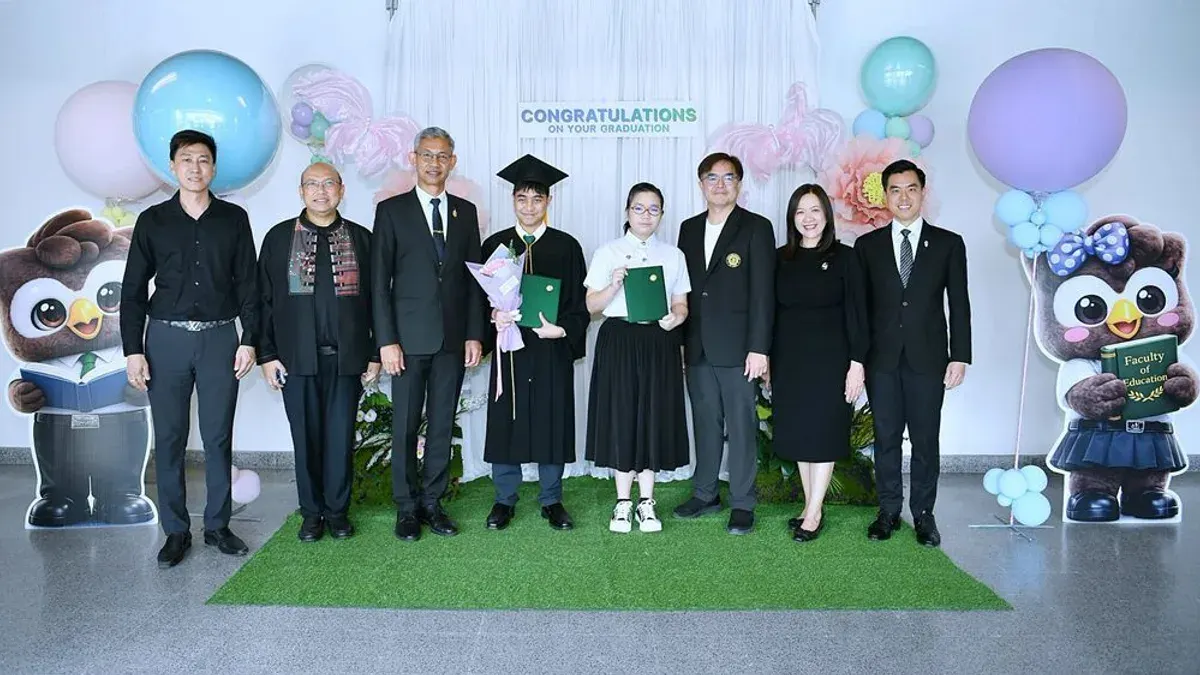
Kasetsart University is committed to promoting open and equal educational opportunities for all learners through its project supporting autistic and learning-disabled students, which has been running since 2002. The program offers a continuous learning pathway from kindergarten at the university’s demonstration school through to higher education, focusing on developing potential, monitoring progress, and helping students adjust to university life. On October 9, 2069, University President Assistant Professor Dr. Kongsak Tiangtham congratulated two graduates from the program: Saranrak Wongsa of the Music Department and Theejuta Suwanrasmee of the College of Integrated Sciences. The ceremony was held in the meeting room of Associate Professor Dr. Patthamawadi Lehmonth on the third floor of Building 4, Faculty of Education. Attending executives included Assistant Professor Dr. Monthon Thanuttamwong, Vice President for Academic Affairs and Lifelong Learning; Assistant Professor Dr. Kanes Kaschasuwannamanee, Vice President for Administration; Assistant Professor Dr. Wichian Preechathamwong, Vice President for Student Affairs; Assistant Professor Dr. Udomlak Kunsriserot, Dean of the Faculty of Education; Assistant Professor Dr. Thongrob Ruernberng, Dean of the Faculty of Humanities; and Assistant Professor Dr. Ngamlama Puihleung, Dean of the Faculty of Social Sciences, along with faculty and staff involved in the project. President Kongsak expressed pride in the graduates’ achievements and praised all parties for sustaining the project, noting that it reflects the university’s role in creating opportunities for diverse learners beyond teaching and research, encompassing support and encouragement for personal development suited to each individual’s potential. He added that the university hopes the program will serve as a model for other institutions to foster a society that embraces differences and genuinely values educational opportunity. He stressed that educational success is measured not only by graduation but also by the ability to apply knowledge and skills in daily life, work, and social interaction. Providing access to education and appropriate support helps individuals discover and develop their potential while promoting a society that learns to accept diversity, care for one another, and recognize the worth of every person, aligning with inclusive education and Education for All principles. The project operates through cooperation among educational institutions, medical organizations, and families, with the Faculty of Education serving as the key mechanism for coordination and implementation.