Parliament Committee Meets Senior Monk on Temple Land Tax Burdens
A House committee on religion met with a senior Buddhist monk to discuss land donation problems where temples face tax burdens when receiving gifted property, particularly affecting remote temples with limited funds. The committee also plans to professionalize temple property managers (Vinayavajjar) by setting qualifications in law, finance, and property management. Solutions will be studied with multiple ministries before implementation.
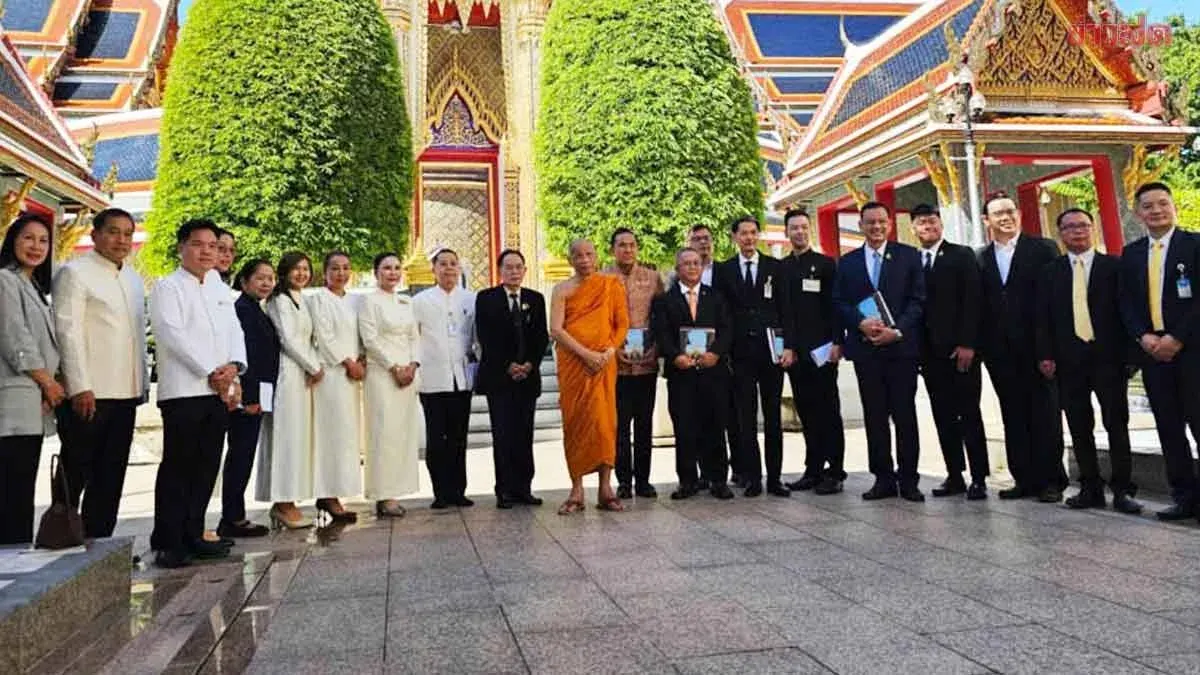
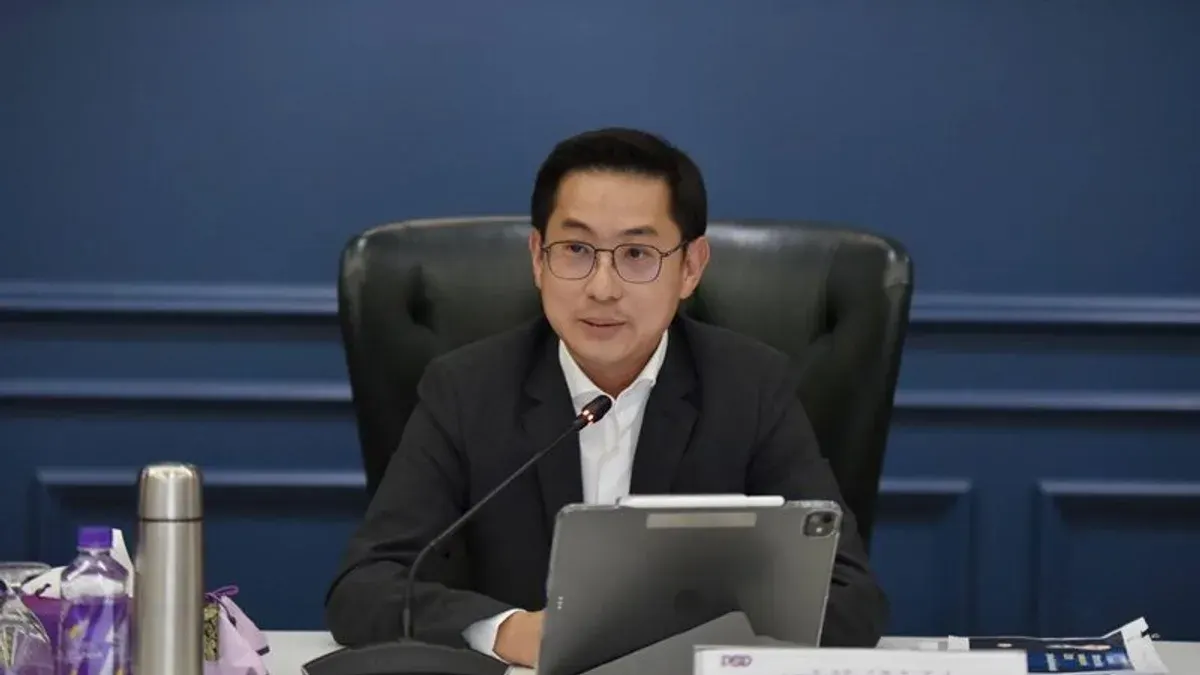
The House Committee on Religion, Arts and Culture, chaired by MP Thiwalrat Angkinan, led committee advisors, academics, and religious affairs subcommittee members to pay respects to Somdet Phra Maha Viravongse (Suchin Akkachino), a member of the Supreme Sangha Council and secretary to the Supreme Patriarch, at Wat Ratchabophit Sathit Maha Simaram on November 11, 2026, to seek his views on temple land problems nationwide. National Office of Buddhism Director Udomporn Ek-iam and relevant officials also joined the discussion.
The committee discussed issues where devotees donate land to temples but ownership transfers are not completed, leading to subsequent problems. They also found that when land is transferred to temples, tax obligations become a burden for the receiving temples, as some temples — particularly those in remote areas — lack the funds to process transfers. The committee wants to resolve this. Although current measures offer some fee and tax reductions or exemptions, limitations on land size and usage conditions mean donors or temples still bear transfer costs. Joint solutions should be sought.
Additionally, the committee discussed developing the role of Vinayavajjar (temple property managers) to effectively support temple administration and knowledge development through central and regional training workshops and seminars as pilot projects for expansion. They aim to professionalize the Vinayavajjar role by defining required qualifications and knowledge, such as temple law, finance and accounting, property management, land and building tax, technology, and risk management. Appointments must follow the Supreme Sangha Council's laws and regulations, as the position involves temple asset oversight and legal responsibilities.
MP Thiwalrat stated the audience with Somdet Phra Maha Viravongse sought beneficial guidance, as the committee has a duty to uphold and protect religion. They will study the issue with the Finance Ministry, Revenue Department, National Office of Buddhism, Religious Affairs Department, Interior Ministry, and Land Department, examining impacts comprehensively for maximum benefit in religious affairs. However, current discussions remain conceptual and require government and agency approval before implementation.