Senior Buddhist Leader Warns Temples Need Accounting Oversight
A senior Buddhist leader warns that temples nationwide lack proper accounting systems and oversight, allowing massive fund accumulation and misuse despite new penalties introduced in 2025, and urges devotees to donate modest amounts rather
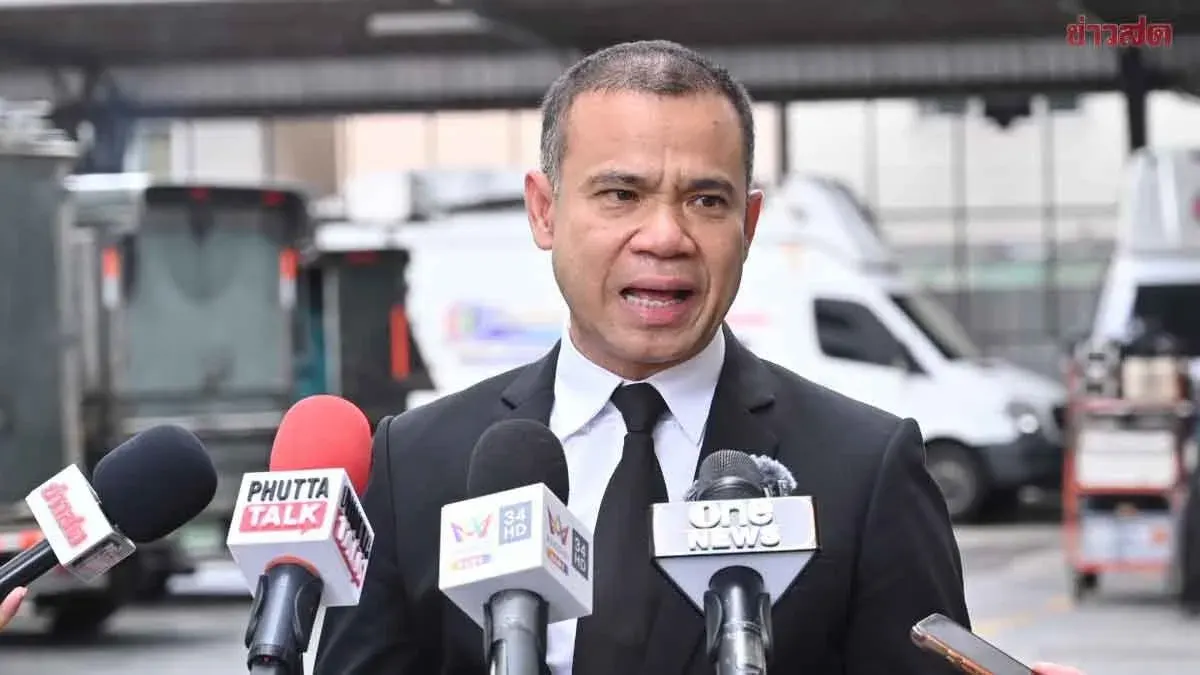
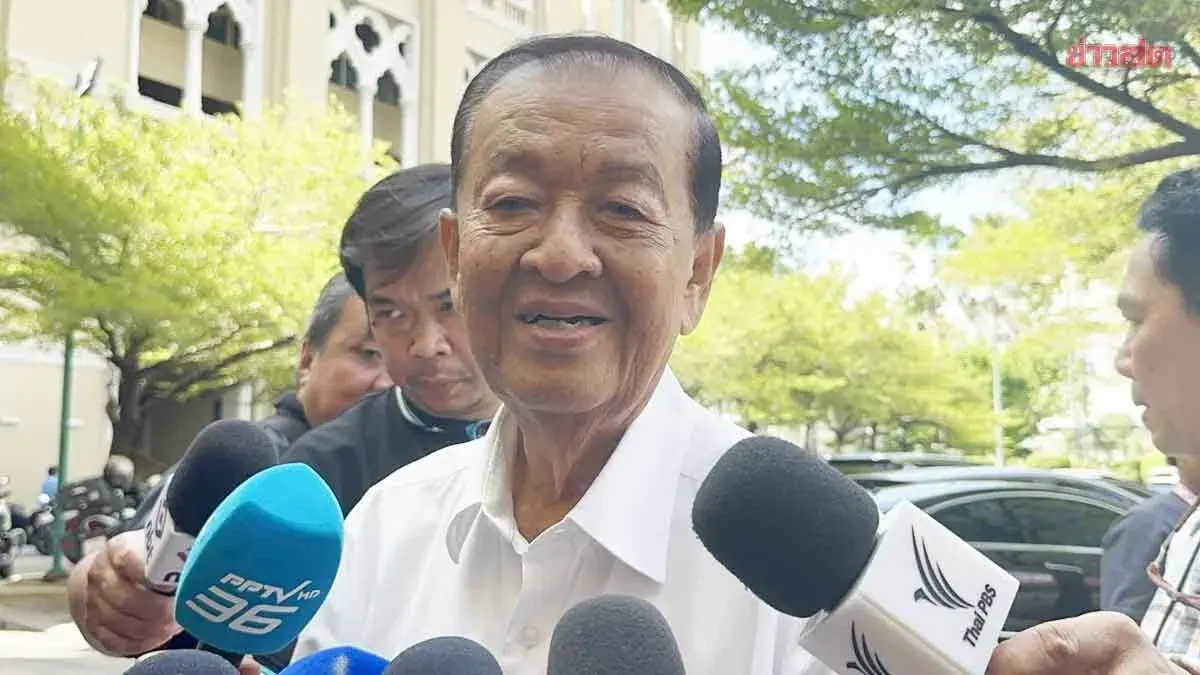
On September 11, Prayut Prathetsena, deputy chairman of the Sangha Dharma Foundation, commented on the case of a former abbot at Phutthai Sawan Temple in Ayutthaya province. He noted that while this particular temple has not received complaints, many others have. He explained that even when complaints are filed, authorities struggle to act because such matters are considered internal to the monastic order, and complainants often lack concrete evidence.
When asked about the widespread problem of temples lacking proper accounting systems with clear income and expense records, Prayut said that historically, even before recent abbots took charge, temple accounting was poorly maintained. The law previously only required submission of accounts but imposed no penalties for non-compliance. Since 2025, new resolutions by the Supreme Sangha Council have introduced penalties for non-submission, but the core problem remains: submitted accounts receive no verification, because the Office of Buddhism considers accounting to fall outside its purview. This has led to massive accumulation of funds and misuse of money for purposes outside their intended scope.
Regarding whether donations have truly reached over 500 million baht, Prayut believes the figure likely exceeds that amount. While 400-500 million baht represents electronic checks, receipts and documents dating from 2006 to the present suggest the total is far larger. He noted that the famous abbot has been in charge since 2006, when the Chatuchak Ram Thep statue project began, making the total amount of money at the temple impossible to calculate.
When asked how devotees should give offerings in the future to ensure money reaches temples properly, Prayut identified two core problems: misuse of temple funds and monks breaching monastic discipline. Temple law and several government regulations govern proper spending, and the Supreme Sangha Council has issued resolutions and guidelines for accounting. Yet many monks fail to comply, exposing them to criminal prosecution as civil servants under Article 145. The second problem is that when monks have money, people seek to exploit them for personal gain, leading to violations of monastic discipline and institutional decay.
Prayut advised: "We must give appropriate amounts. We need not donate large sums. Give what makes you comfortable, what you have strength for. Ultimately, even without money, temples survive. We should not worry excessively. Give modestly and appropriately, and the problem of money piling up in temples will not arise."
Regarding the growing number of Buddhists now avoiding temple donations after learning of these issues, Prayut said the monastic order must be stricter with its own members, and senior monks must oversee junior monks and novices. All monks must understand their duty to uphold proper conduct.