Editorial: Urgent Need for Temple Finance Reform
A former abbot's seizure of over 720 million baht through misappropriated donations highlights systemic weaknesses in temple accounting and oversight, prompting calls for mandatory financial transparency, audit committees, and legal reforms
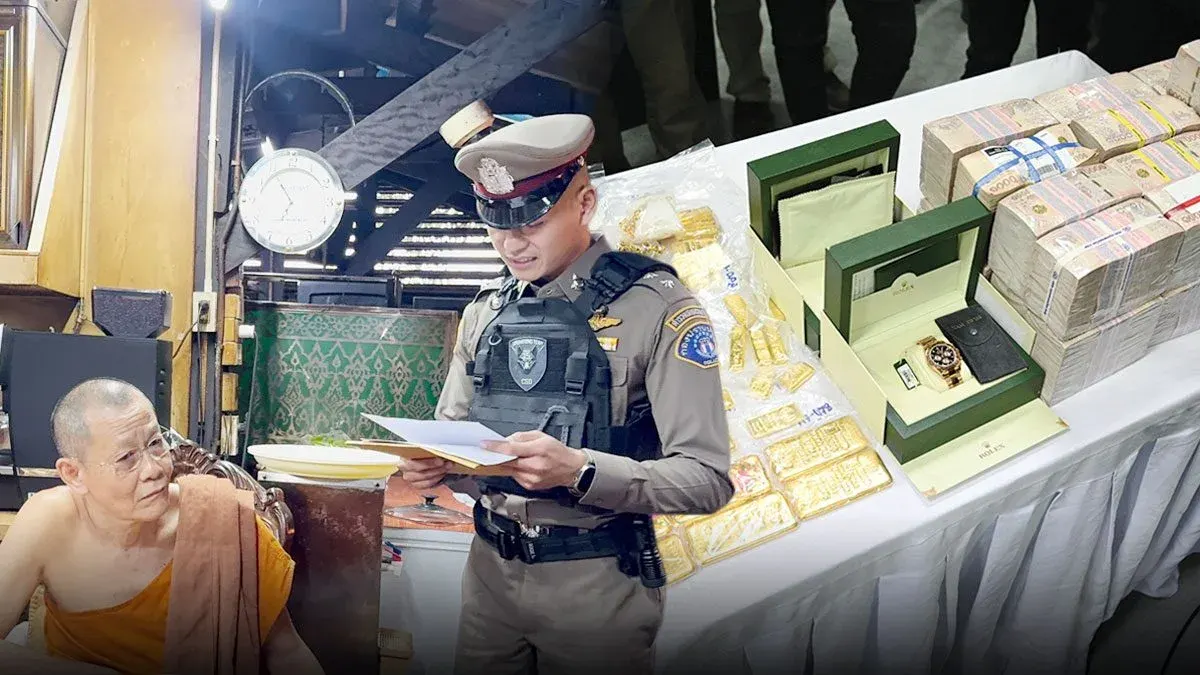
The case of former abbot Otikhot, also known as Somkhot, and Sikha involved the seizure of cash, bank deposits, gold, land, sacred objects and amulets worth over 720 million baht. The assets came from misappropriated donations, improperly registered foundations, and rental income from amulet veneration. Rather than entering official temple accounts, the money was converted into cash, gold, and land, then transferred to close associates to scatter assets and conceal the financial trail.
The case shows the problem lies not only with individuals but with the system itself, which creates opportunities for such conduct. Many temples today manage large sums of circulating money, yet their accounting systems and audit mechanisms remain weak. Temple property management remains principally tied to the abbot's authority, and audit committees are not systematically required at all temples.
The solution must go beyond arrest and prosecution to prevention. Religious authorities must mandate standard accounting at every temple, require transparent use of temple accounts, and adopt the e-Donation system seriously. Temple boards and audit committees must serve as checks and balances, ensuring financial power does not rest with a single person.
Meanwhile, government agencies must actively support oversight systems by monitoring financial transactions, examining legally problematic foundations and shell organizations, and swiftly enforcing laws when irregularities appear.
Most importantly, authorities must boldly reform relevant laws and regulations to close the loophole allowing assets accumulated during monastic vows to be transferred to associates, and push the concept of separating property management from clergy so monks focus on teaching rather than managing money.
However, temple finance reform cannot succeed if people remain blindly faithful. Every donor has the right to ask where their merit-making money goes and to verify whether donated assets truly serve Buddhism and public benefit or not. Scrutiny is not disrespect—it protects Buddhism from those who misuse the yellow robes to shield personal gain. Buddhism declines only when good people dare not question, those in power dare not investigate, and some clergy exploit believers' faith as a pathway to personal wealth.
The Somkhot case is not the first. If it is to be the last, both government and religious authorities must act with genuine commitment, and the public must not remain passively credulous. All three parties must work together to oversee and systematically resolve this issue, so that temple finance abuses and personal profiteering disguised in yellow robes do not recur.