Former Monk and Woman Arrested in Temple Embezzlement Case
A former prominent monk and woman were arrested in Ayutthaya for allegedly embezzling temple funds and money laundering, prompting Thai authorities to create a centralized digital database for monks and temples to prevent future misconduct.
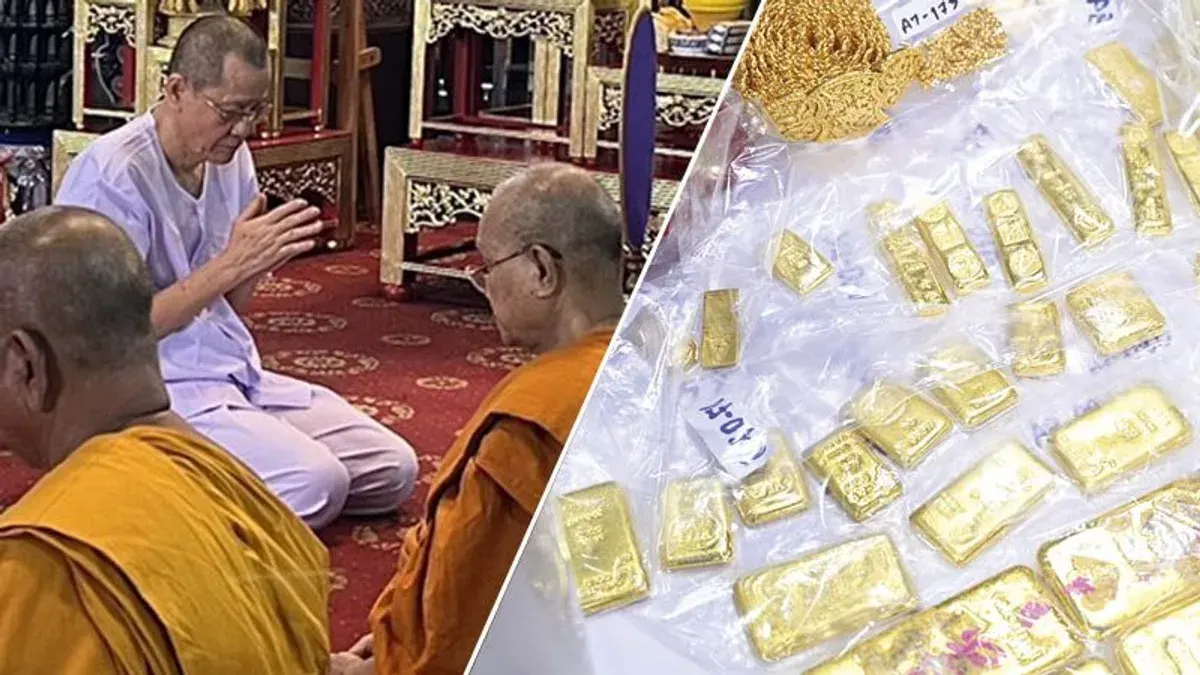
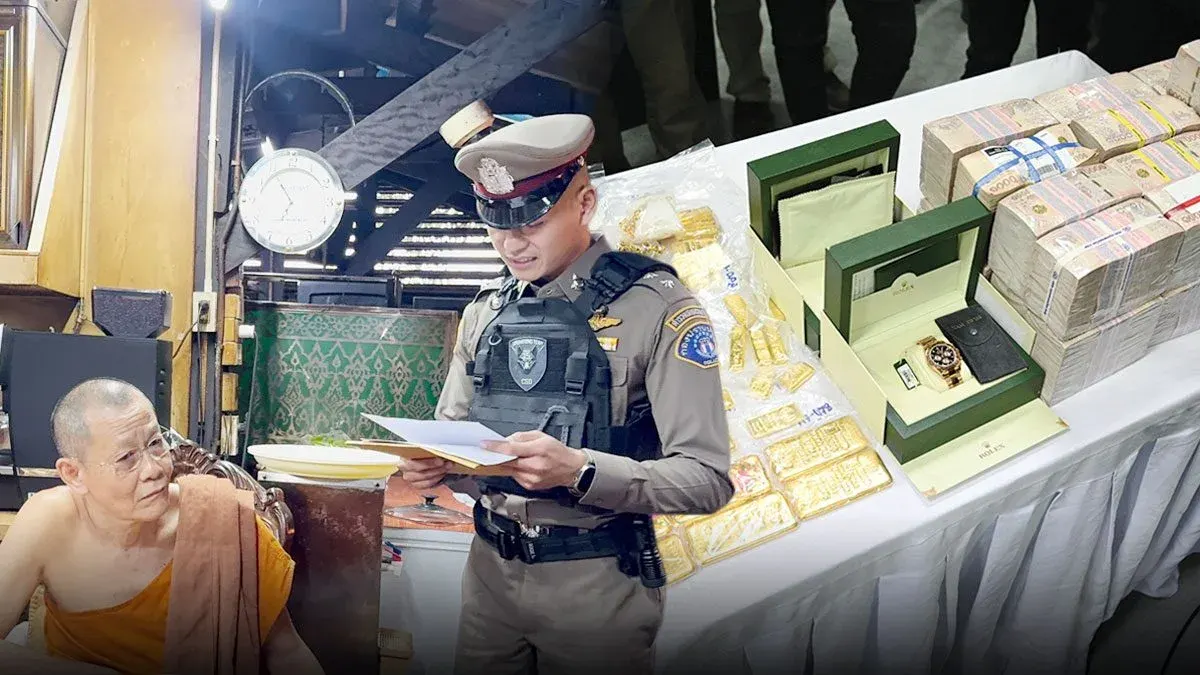
The arrest of a former prominent monk in Ayutthaya and his close female companion has shocked Thai society far beyond monastic and temple circles, particularly after images and videos of the pair and a table in his quarters spread widely online. Both are now in custody facing charges of temple fund embezzlement and money laundering, with their assets frozen as they are suspected of converting temple property into personal gain. Police are expanding their investigation into the temple's finances, the suspects, and other individuals believed to be involved, as investigators do not believe only these two acted alone. Beyond police and anti-corruption agency investigations, parliamentary commissioners have scheduled meetings to oversee progress and pursue the case through legislative channels, including parliamentary questions aimed at preventing future incidents.
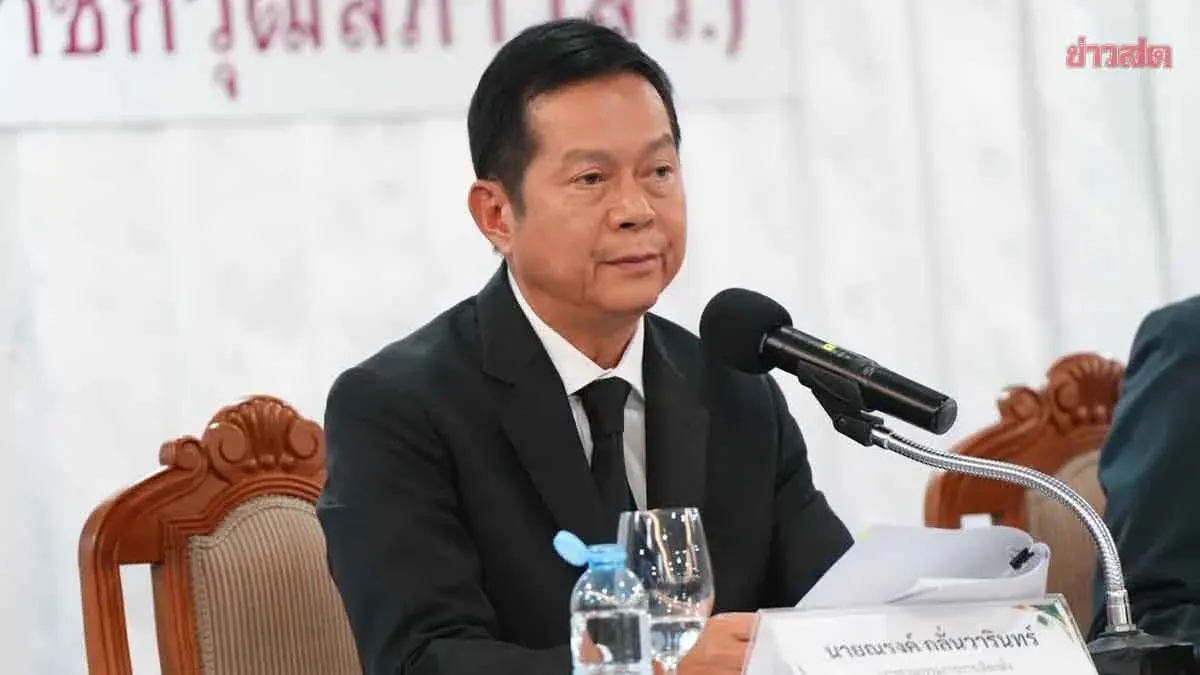
Government officials, led by Deputy Prime Minister Pakorn Nilprapart who oversees the National Office of Buddhism, outlined initial steps including creation of a centralized monk database to assist the Supreme Sangha Council. The current monk database remains non-electronic, with some 200,000 monks registered but only 180,000 records—about 89 percent—verified so far, with completion expected by 2025. A temple registry system will follow, covering all 44,000 temples nationwide, incorporating property management systems, financial controls, and centralized religious asset administration in fully digital and online formats.
However, academic Suraphat Vichaisak, a philosophy and religion scholar, argued the phenomenon should not be viewed as individual monk misconduct but as a direct result of failures in monastic governance structure and distorted merit-making culture disconnected from Buddhism's true essence. "This crisis has reached a point that cannot be resolved through moral pleas or individual monk sanctions alone," Suraphat stated. "The real lesson is major structural surgery—separating religion from state, abolishing the hierarchical rank system, and establishing transparent financial management to restore Buddhism as genuine spiritual discipline and practice." Such proposals offer both bold and direct solutions to the underlying problems.