Election Commission Faces Criticism Over Selective Senate Fraud Charges
The Election Commission indicted 26 senators on election fraud charges, but civil rights group iLaw criticized the decision as selective, arguing the investigation uncovered evidence of a much larger scheme involving far more perpetrators t
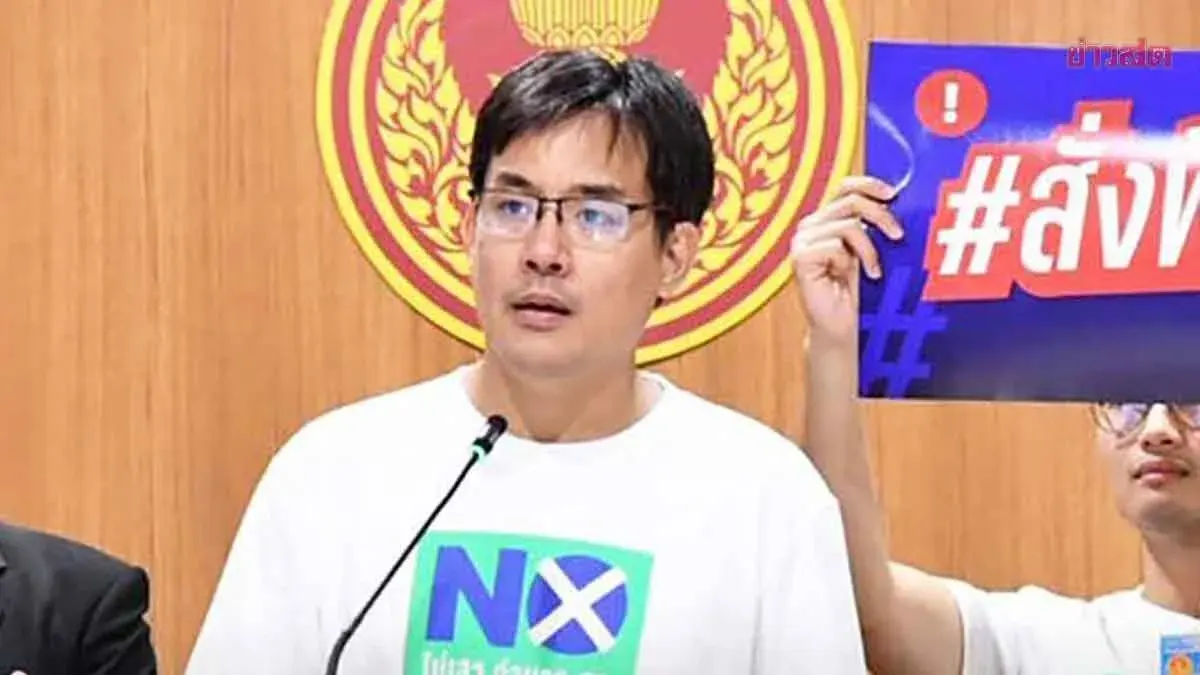
On September 14, the Internet for People Law project (iLaw) released a statement following the Election Commission's decision to indict 26 senators and a total of 77 people to the Supreme Court's election division on charges of fraud in the senate election. iLaw criticized the commission's approach in three main points: First, the decision not to prosecute the leadership of Phum Jai Thai party but only 26 senators and network members, leaving 152 other suspects untouched, was unsurprising given that the commission itself was selected by senators who have relationships with those benefiting from the outcome. Second, the decision to prosecute the 26 senators demonstrates that the investigation uncovered real evidence of election fraud, with charges filed under the organic law governing senate acquisition, Article 77, which relates to vote-buying. However, iLaw argues that the 2567 senate fraud scheme was massive and could not have involved only a few people. Using the example of senator Srachat Vichaya Suwanprom from Group 13, who ranked fifth in internal voting with 66 cross-votes, the organization notes he could not have secured such high votes from just a handful of people whose money transfers appear in evidence. Many others whose names appeared in witness lists alongside his must also be involved. Third, iLaw asserts the Election Commission is overstepping its bounds by acting like a court. The commission's role is to investigate and file charges with the Supreme Court if credible evidence of fraud exists, but instead it is evaluating witness credibility and deciding which suspects are believable before deciding whether to indict. iLaw states that when evidence is insufficient, the commission should seek additional witnesses and evidence to determine if the alleged vote-buying scheme has credible support, not dismiss witnesses as unreliable and abandon further investigation. The final judgment on witness credibility belongs to the courts, not the Election Commission.