iLaw to Release Evidence on Senate Election Rigging
iLaw will release evidence of coordinated rigging in Thailand's 2567 senate selection, after the Election Commission prosecuted only 26 of 229 accused individuals, leaving those behind the operation unpunished.
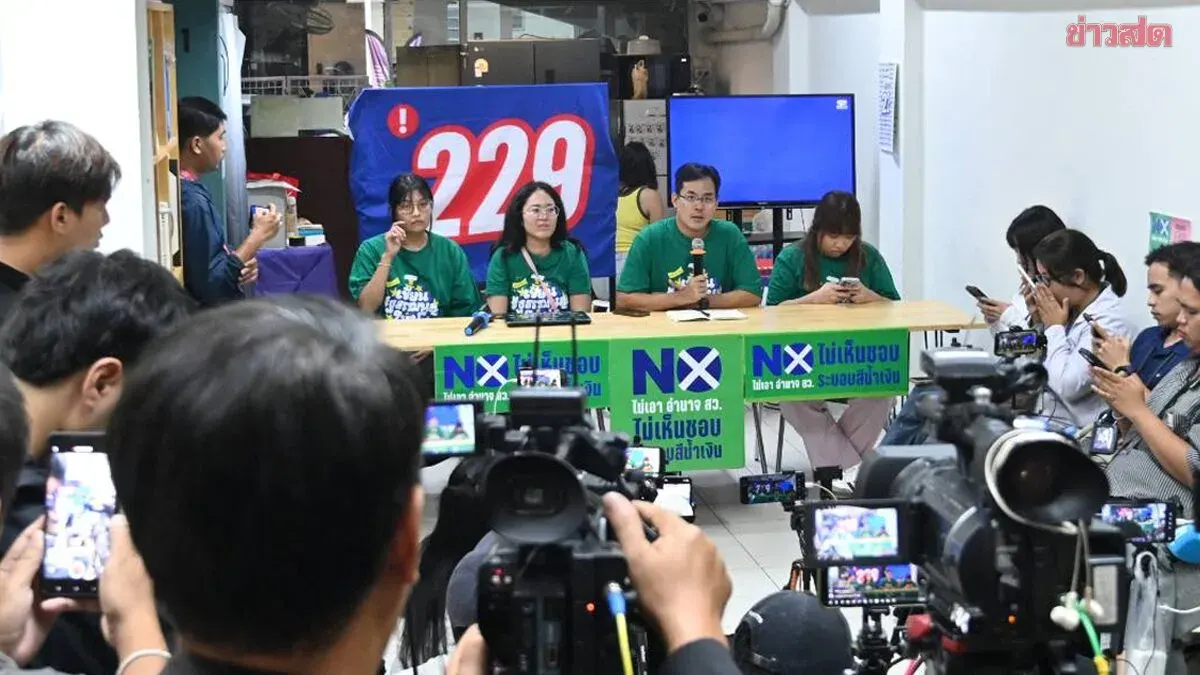
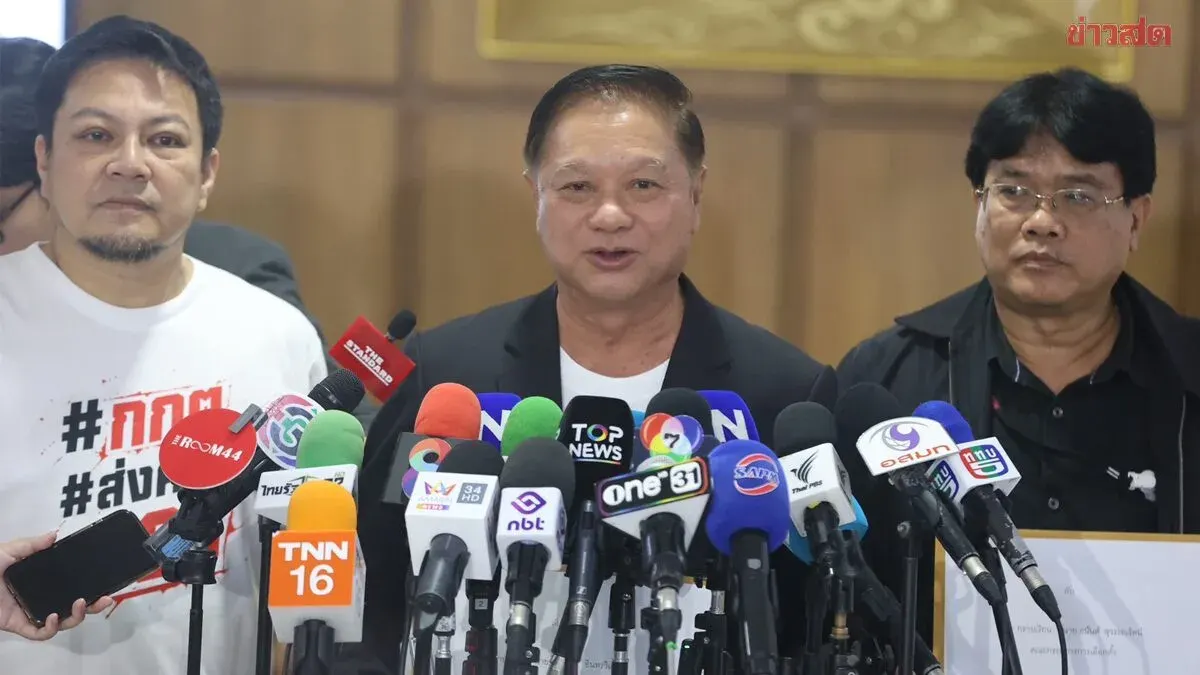
Yingluck Atchanont, director of the Internet for People Law Project (iLaw), announced iLaw's findings after the Election Commission ruled on the senate selection case. iLaw has been monitoring the 2567 senate selection process from the start and discovered multiple irregular patterns, including many candidates wearing identical yellow shirts, displaying candidate number placards, and using duplicate voting patterns, suggesting a coordinated effort to field numerous candidates to ensure predetermined individuals were selected.
Through evidence tracking, iLaw found data linking individuals to one political party, including current and former members of parliament, parliamentary assistants, relatives, and family members involved in candidate recruitment, money transfers, and coordinated group meetings at various locations. Regarding the Election Commission's decision not to prosecute party executives, Yingluck expressed anger but said he was unsurprised, as the outcome matched expectations. He stated that the Election Commission's decision to prosecute 26 individuals out of 229 accused already confirms corruption in the 2567 senate selection occurred, though it does not extend to those behind the operation.
The identities of the 26 prosecuted sitting senators remain unknown, but based on available information, those facing charges likely have clear evidentiary links, particularly regarding financial trails. However, the lack of prosecution against others does not necessarily indicate innocence or guilt, but may reflect insufficient evidence to connect them or an absence of identifiable wrongdoing.
Bunyanucha Matthujak of iLaw's team stated the Election Commission is acting like a court by deeming certain witnesses unreliable and finding no additional evidence, leading to non-prosecution of some accused. According to law, if evidence is insufficient, the Election Commission should seek additional witnesses, and witness credibility assessment should be the court's responsibility. Saokalyakorn Sunthorphruk of iLaw's team announced that iLaw will gradually release information about those not prosecuted, publishing all witness testimony through the iLaw Facebook page at 8 p.m. today.