Election Commissioner Cites Dissenting Evidence in Senate Case
An Election Commissioner has publicly dissented from the EC's decision to prosecute only 26 of 138 senators in an election fraud case, citing evidence of involvement by politicians and party executives that the full commission did not unani

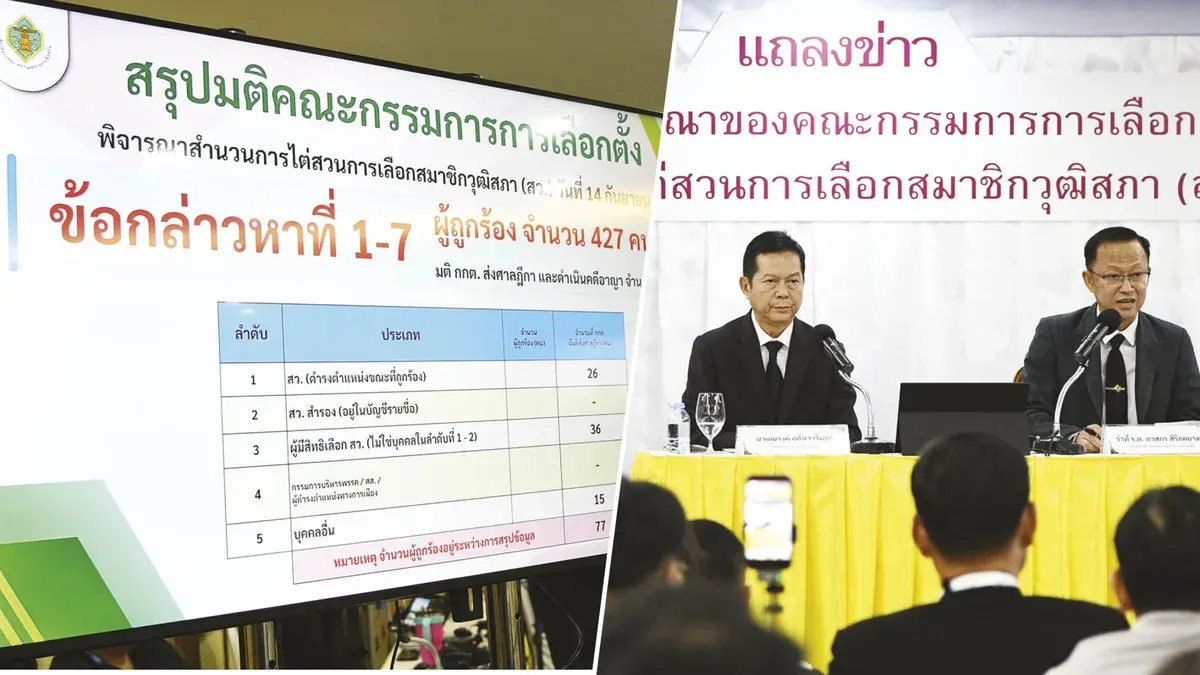
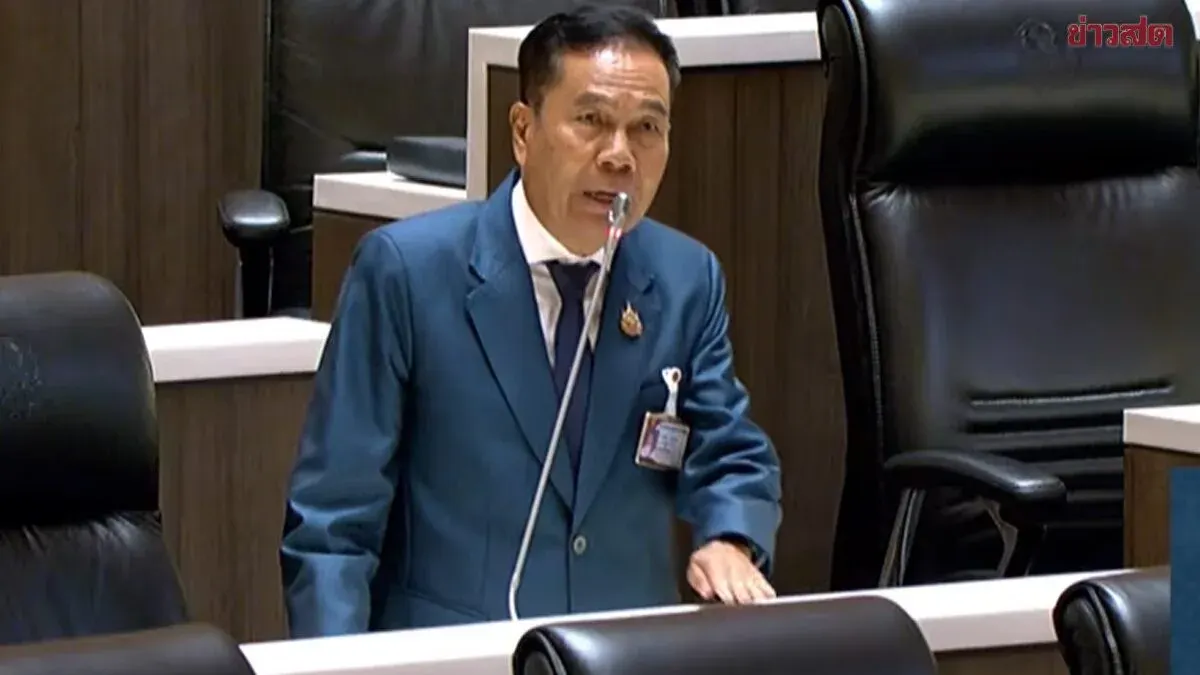
Sittichote Intrawiseth, one of seven Election Commissioners, has issued a statement clarifying the EC's voting decision on the Senate election fraud case, which carries significant social implications. This came after EC Chair Nrong Klunwarin announced that charges were filed against accused parties in the Supreme Court, but only 26 of the total 138 senators faced prosecution. Critically, the EC voted not to prosecute 21 individuals serving as party executives, lawmakers, and cabinet ministers without exception. This decision has fueled public suspicion and sparked intense criticism of the EC's performance. The dissenting commissioners cited extensive data and evidence of several allegations on which all seven EC members did not reach unanimous agreement. Upon reviewing evidence, they found links to political parties and politicians requiring investigation, with financial trails connecting to influential national figures even where direct political links were absent. After the EC certified the Senate election results, evidence emerged of hotel meetings involving party figures at the level of parliamentary members and ministers, discussing Senate leadership appointments. Sittichote affirmed that hidden actors operate behind the scenes and the group of key figures did not vote unanimously. Although the EC's decision is unlikely to change, the Supreme Court's examination of the 26 senators depends on whether the court exercises its authority to summon additional evidence. For individuals the EC declined to prosecute, candidates or victims may petition the Supreme Court directly within three days of the order, and the court may apply principles of justice in considering such cases. Article 44 of the Provisional Constitution allows Senate candidates to file objections with the Supreme Court within three days of the order. Though the EC limited its ruling to 26 senators in the election fraud case, given persistent public questions and doubts, the justice process should comprehensively investigate and clarify the matter further.