Election Commission Splits on Vote-Buying Case Verdict
An Election Commission split over vote-buying charges left no senior politicians facing prosecution despite evidence of networks across six provinces, with dissenting commissioners arguing the majority failed to see the complete picture of
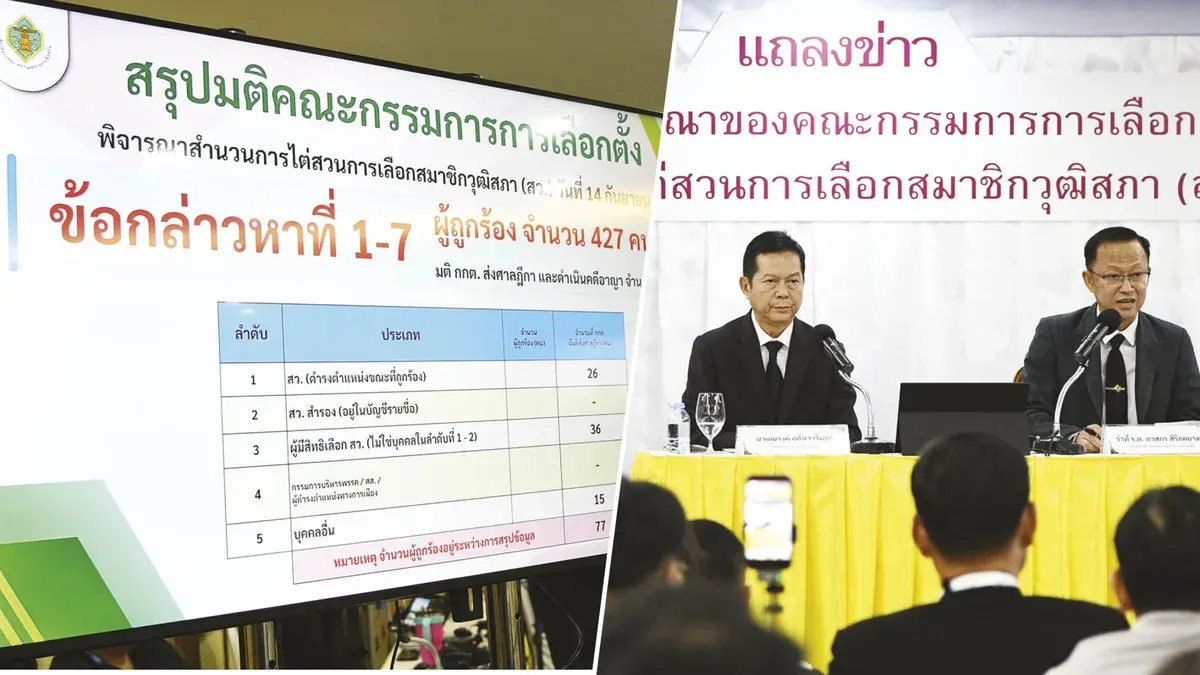
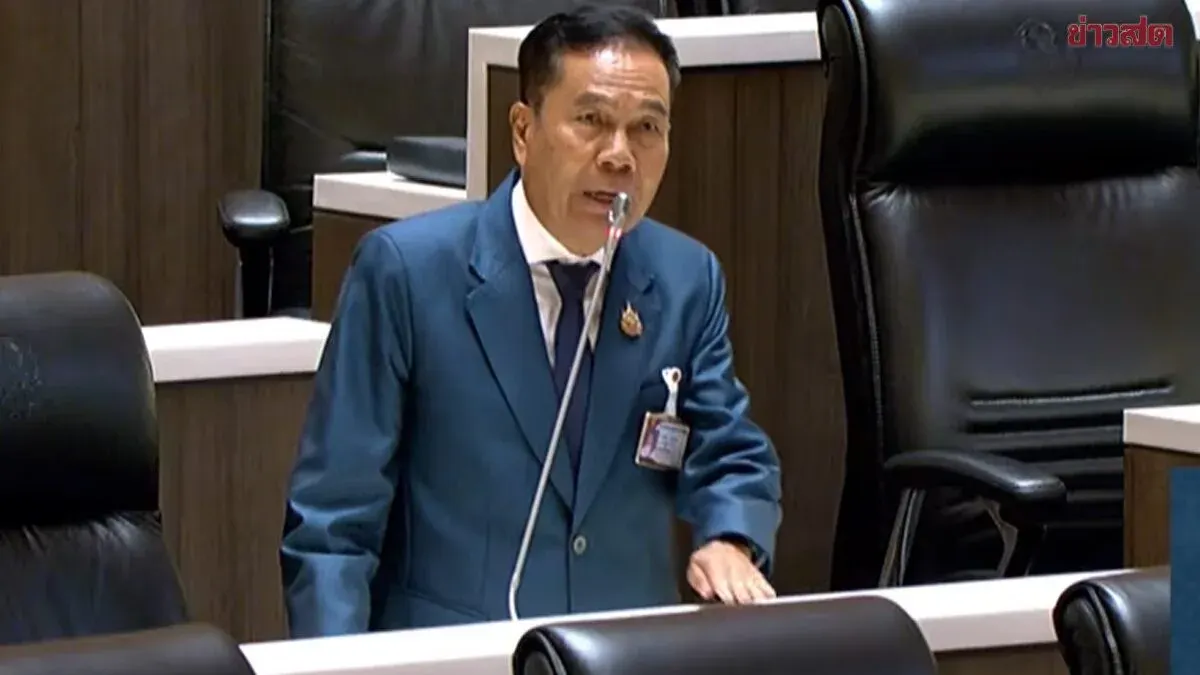
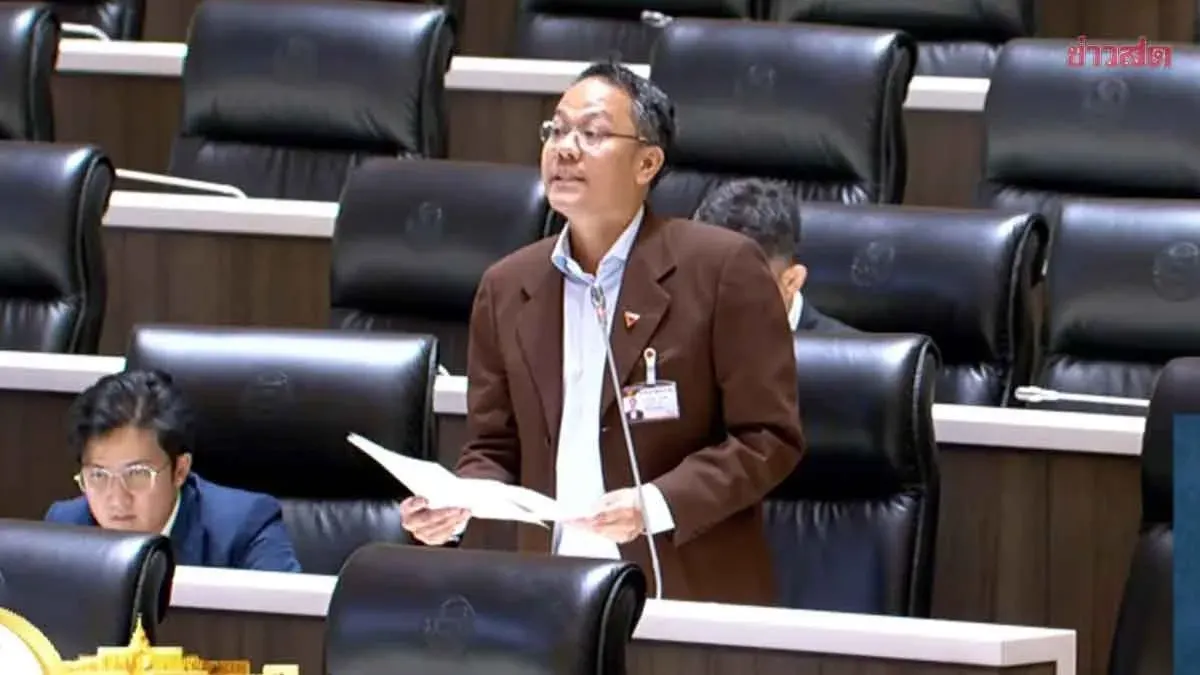
The Election Commission's September 14 decision in the parliamentary vote-buying case has sparked the term "blue Election Commission" following disclosures by dissenting commissioner Sithichote Intrawisesa. He revealed that many charges lacked unanimous support, with some voting 5-2 or 6-1, and the minority view recommended prosecution. Critically, no senior politicians or party executives faced charges in the majority decision, raising public questions about how seriously the evidence was examined and why the alleged "political network" discussed for two years did not reach top party figures. The dissenting faction pointed to evidence of vote-buying networks spanning multiple provinces including Nakhon Si Thammarat, Phuket, Nong Bua Lamphu, Uthai Thani, Nakhon Sawan, and Sukhothai, along with phone records and witness testimony that partially corroborated actual events. Though some witnesses recanted, the dissenting commissioners argued that the focus should be whether witnesses' accounts reflected real events, not merely whether they contradicted themselves—the heart of the vote-buying issue. Such cases rarely occur on camera, with meetings often conducted without phones or recordings, making evidence naturally incomplete. Intrawisesa's analogy urged not to claim it is not an elephant because you only see a trunk, but rather to assemble multiple pieces of evidence to see the whole picture. Though the Election Commission has already decided, referring 77 defendants for prosecution, the ultimate resolution may now rest with the Supreme Court. The court could either affirm the majority position or, examining the same evidence, perceive the complete picture that the dissenting commissioners highlighted. The final answer—whether the court will see the entire elephant or only fragments—may no longer depend on the Election Commission's view.