Election Panel Minority Member Claims Evidence Links Party to Vote Buying
An Election Commission minority member disputes the unanimous vote-buying ruling, claiming evidence links one party to coordinated fraud across six provinces despite limited direct financial trails from suspects.
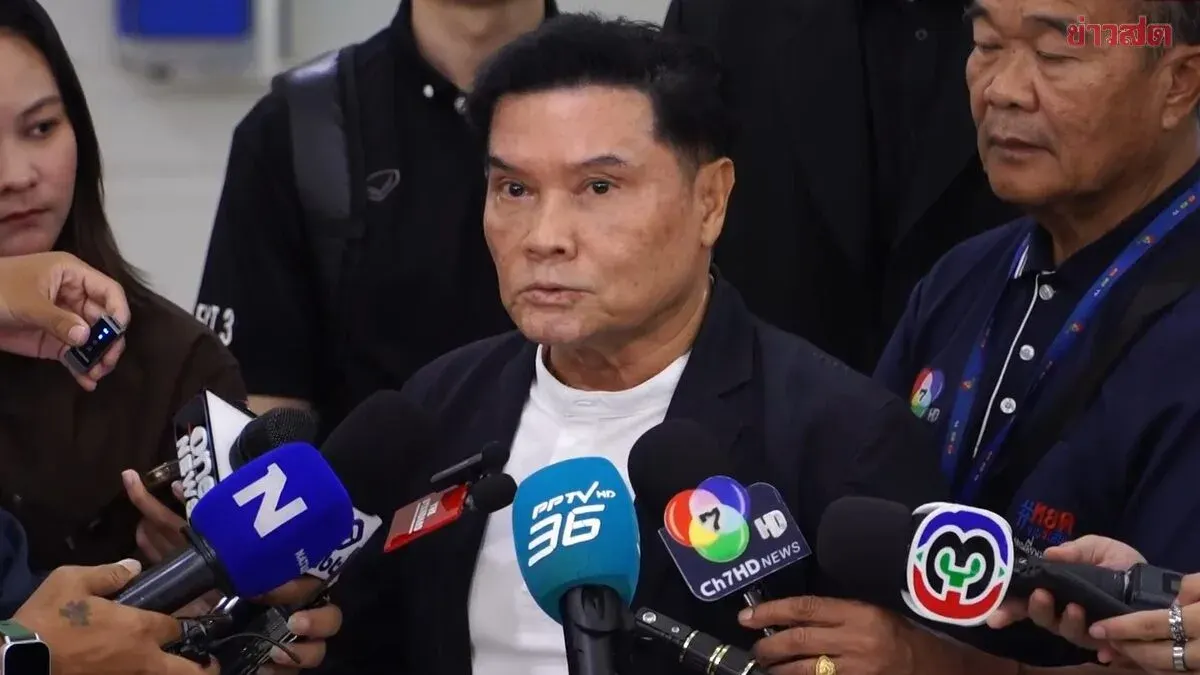
Sithichot Intrawisate, a minority faction member of Thailand's Election Commission, has insisted that the commission's vote-buying case ruling was not unanimous. He acknowledged that while evidence points to involvement by politicians from one party, direct financial trails from the suspects themselves are limited, with witness testimony about cash receipts constrained by the available evidence. Speaking at the Election Commission office, Sithichot clarified that the minority faction's dissent was based on the need to clarify each charge separately, showing majority and minority vote counts, and explaining how the Constitutional Court might interpret the findings.
Sithichot stated that some commissioners found certain individuals had no involvement or role in the alleged wrongdoing, while others saw clear guilt. On charges one and two involving party members and senators, the vote was not unanimous, with some splits as close as five to two in favor of removal, and two voting to dismiss. He noted that not all such votes were five to two across all relevant individuals.
Regarding party executives, Sithichot and fellow commissioner Chai Nakchai held minority positions. They found the witness evidence relatively credible, observing that the patterns extended across multiple provinces including Nakhon Si Thammarat, Phuket, Nong Bua Lamphu, Uthai Thani, Nakhon Sawan, and Sukhothai, where coordinated vote-buying rings operated with numbered lists. The groups conducting vote buying faced penalties for electoral fraud and possible criminal charges under Article 77(1).
When examining all areas linked to a single party whose members engaged in vote buying, the evidence aligned with witness testimony describing assignments to party personnel in target areas. Though skeptical of the witnesses themselves, Sithichot found their accounts credible when corroborated by subsequent events. Phone records and financial connections traced between party members, party officials, and senators showed genuine links.
After the Election Commission announced results, senators met at a Bangkok hotel on the 21st to select senate leadership. A senator's secretary testified that party figures attended and that phone calls were exchanged among key party members, possibly including the party leader, though they may have met separately. Such coordinated contact aligned with witness accounts of vote-buying coordination across provinces. Director Direk Phrasima's testimony corroborated witness accounts and matched other witness statements.
Regarding witnesses who recanted testimony, Sithichot doubted they were coerced given their status and prominence—one held the respect to be a senator of that party, and another was the father-in-law of a major politician—making intimidation unlikely.