PM Anutin Orders Crackdown on Illegal E-Waste Factories in Prachin Buri
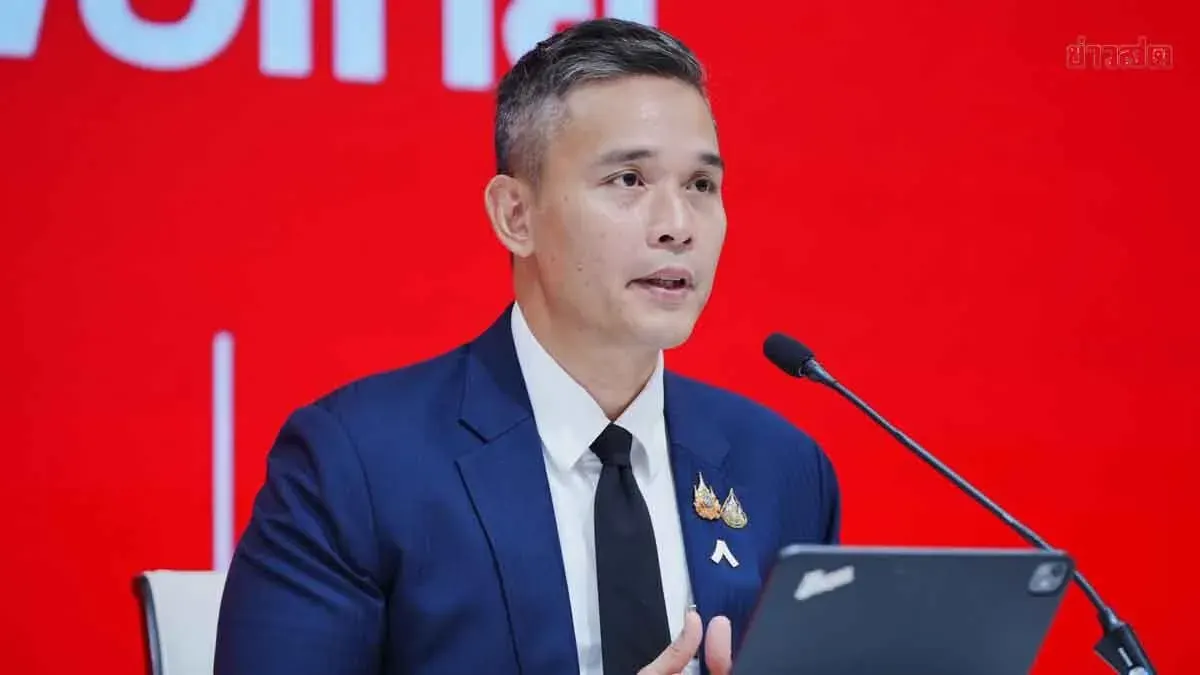
Prime Minister Anutin Charnvirakul led a cabinet-level inspection of illegal electronic waste recycling factories in Prachin Buri, ordering the Department of Special Investigation to pursue the case and Customs to halt smuggling. The factories operated beyond licensed limits, processing hazardous e-waste banned from import since 2020 and allegedly disguising toxic residue as fertilizer for local communities. Anutin warned that foreigners holding Thai citizenship involved in such crimes would face citizenship revocation.
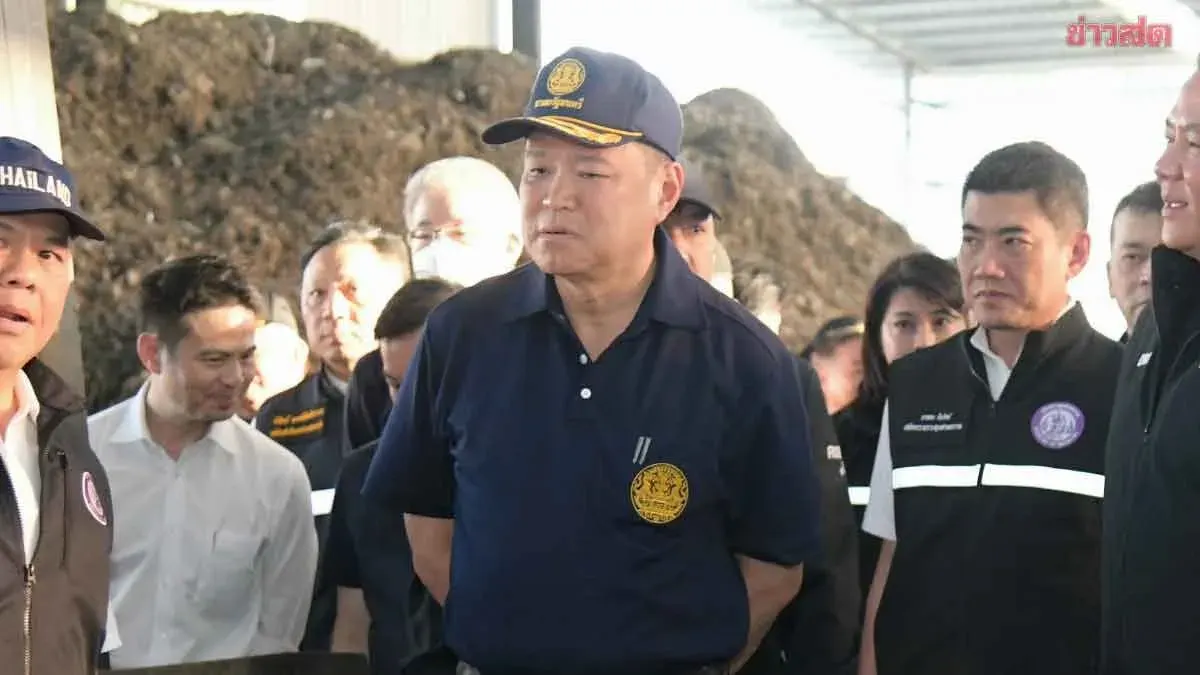
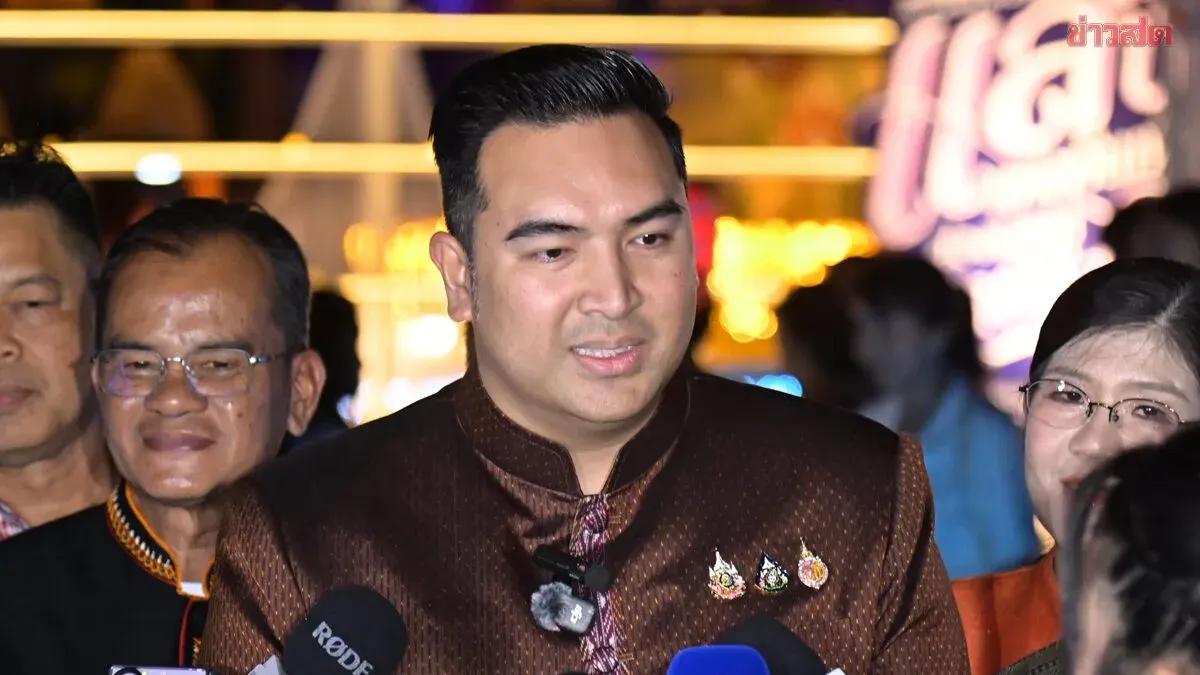
At 6:00 PM on November 24, 2026, in Prachin Buri province, Prime Minister and Interior Minister Anutin Charnvirakul, accompanied by Industry Minister Akanat Promphan, Minister Attached to the Prime Minister's Office Phumtham Wechayachai, Interior Ministry Permanent Secretary Suttipong Juljarern, and relevant agencies, conducted an on-site inspection of industrial waste disposal problems and electronic waste recycling factories.
The Prime Minister stated that the inspected company, which had been ordered closed, operated as an electronic waste recycling business but was essentially an illegal factory because it lacked proper operating licenses. Only one section may have operated according to its license, while several subsidiary factories within the area operated covertly. The massive volume of incoming electronic waste likely exceeded permitted quantities, necessitating urgent item-by-item verification.
Regarding such businesses, the PM noted that if operators comply with declared machinery, imports, and licenses, the business itself is not prohibited. However, violations occurred by exceeding licensed scope. This waste type requires destroying plastic casings when shredding and separating recyclable components like plugs and wires, including PE and PVC plastics. Non-recyclable materials must have approved disposal systems, whether incineration or authorized burial, incurring significant costs. Operators apparently sought to cut costs by finely grinding waste, mixing it with soil, and passing it off as fertilizer to farmers and locals — effectively dumping hazardous residues onto communities. This contaminates soil, crops, and the food chain, posing severe health risks even at household levels.
Anutin assigned the Ministers of Industry, Commerce, and Natural Resources and Environment, particularly Interior Ministry Permanent Secretary Suttipong Juljarern, to strictly oversee toxic waste imports. The Finance Minister was directed to enforce stringent controls, especially at Customs, which must rigorously inspect and verify goods entering from abroad. Since 2020, electronic waste imports have been banned in Thailand; any entry constitutes smuggling, often concealed among other goods. The government emphasizes legal compliance, environmental protection, and public health safety. Operators exceeding licensed boundaries must face legal consequences, and relevant ministries will take action.