PM, Finance Minister Say 2.2% Growth Not Enough
Thailand's top officials say the forecasted 2.2% economic growth this year falls short of potential, with the PM questioning why the economy can't expand at 3-6% as the country grapples with energy, inflation, and purchasing power crises.

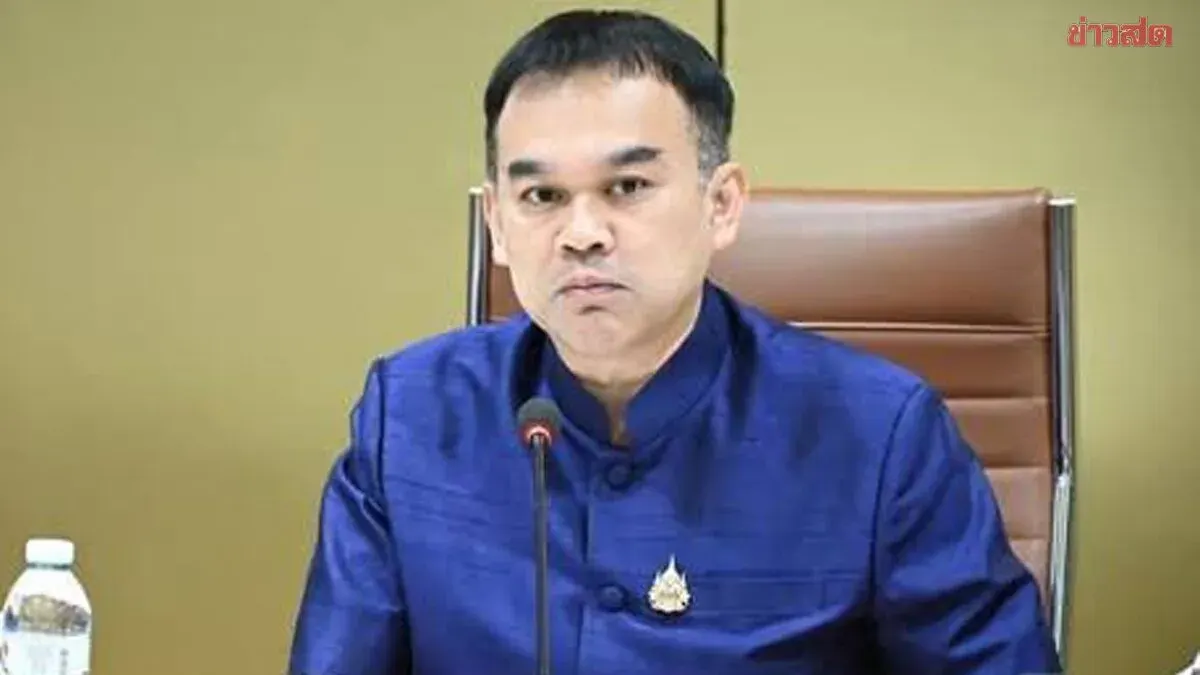
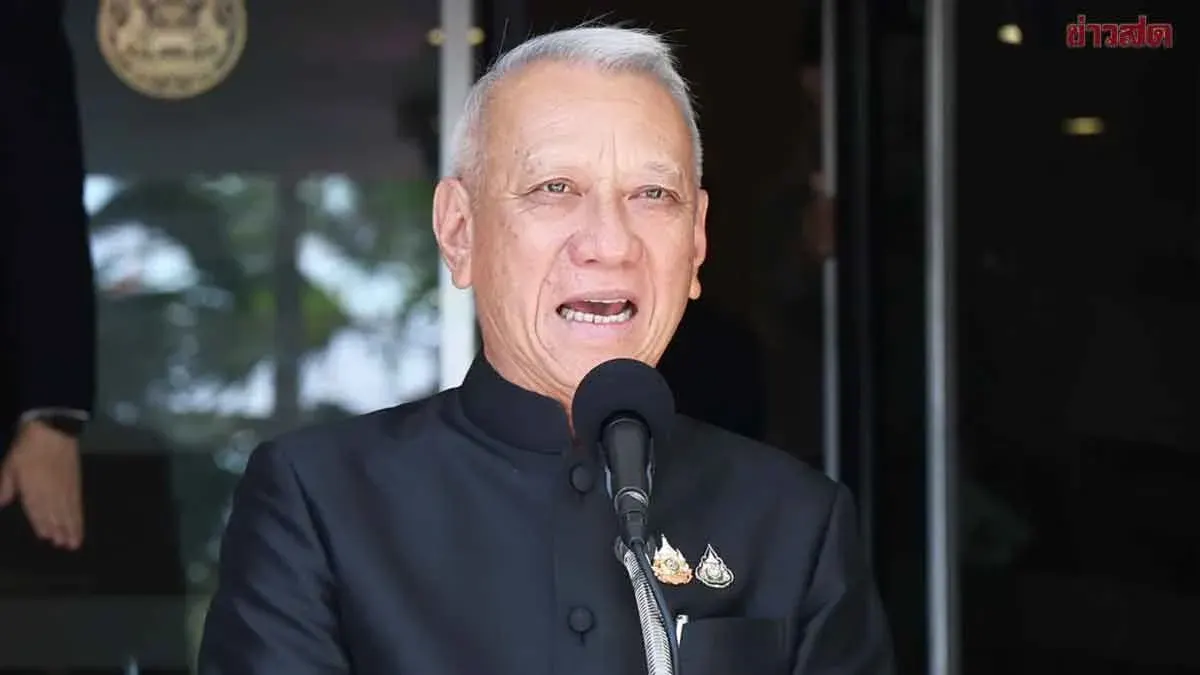
Prime Minister Anutin Charnvirakul and Deputy Prime Minister Ekniti Nitithanprapas are not satisfied with Thailand's forecasted economic growth of 2.2% this year, saying the economy could grow much faster. Speaking to reporters on August 17 Australian time, Anutin stated that while current economic figures are acceptable, there is no such thing as satisfaction with growth figures. "Why not 3 percent? Why not 4, 5, or 6 percent?" he asked, emphasizing that there is always room for stronger expansion.
When asked if he was satisfied, Anutin replied: "More than satisfied." Deputy PM Ekniti also expressed dissatisfaction, citing the need to drive additional investment as Thailand undergoes economic transition. The second-quarter GDP growth of 1.9% exceeded market expectations of around 1.7%, confirming the government's decision to authorize the Finance Ministry to borrow 400 billion baht through a royal decree. This borrowing was used to fund the "Thai Helping Thai Plus" programme launched in June, which helped prevent sharper economic contraction by reducing living costs and boosting consumer spending.
Ekniti outlined three concurrent crises facing Thailand: an energy crisis driven by rising oil and gas prices due to global conflict, with the current account swinging to a deficit of 600 billion baht in the second quarter; a cost-of-living crisis reflected in inflation jumping from negative in the first quarter to 2.7% positive in the second quarter, while producer price index reached nearly 9 percent; and a purchasing power crisis shown by private consumption growth slowing from 3.3% to 1.9% between the first and second quarters. He stressed that without rapid action on these three fronts, economic damage would be worse, and Thailand must urgently transition its energy structure as geopolitical tensions persist and the current account deficit reflects the economy's vulnerability to oil and gas imports.