Thailand Plans Gun Amnesty Without Penalty, Tightens Mental Health Checks
Thailand plans a no-penalty gun amnesty program while overhauling its licensing system and implementing stricter mental health checks for firearm buyers. The government aims to control an estimated 10 million existing firearms through techn

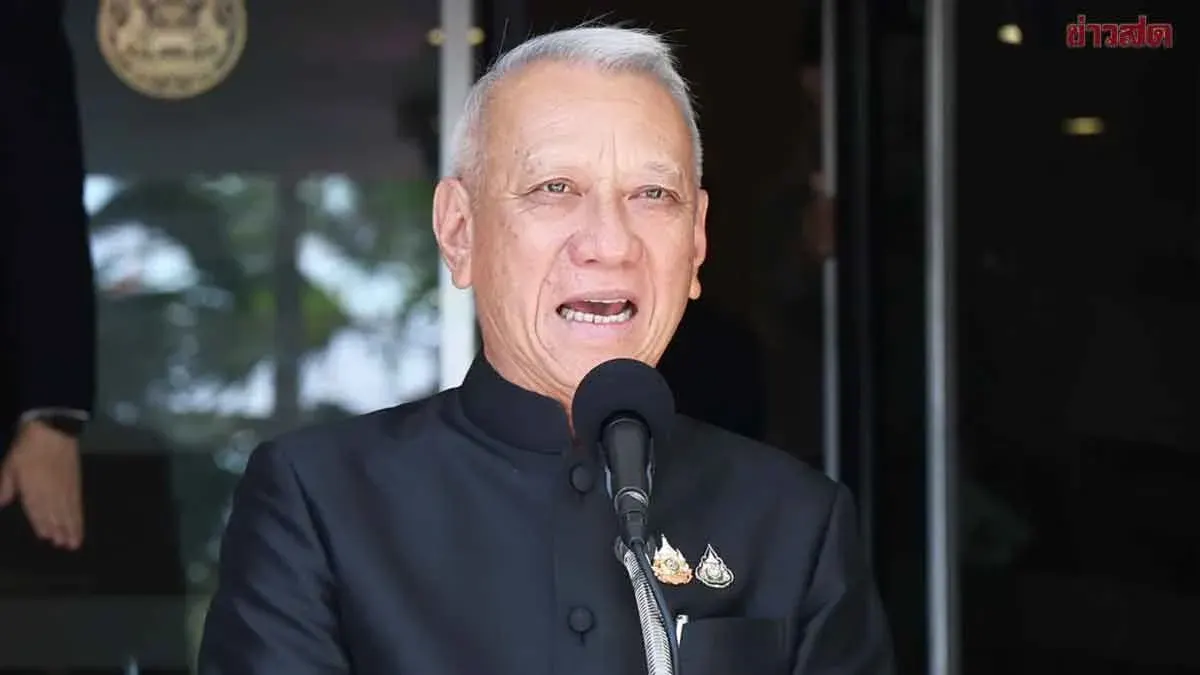
Deputy Prime Minister Pokkrong Niltaprabhand gave an interview on August 18, 2025, at Government House regarding gun control measures ordered by the Prime Minister. He said the Interior Ministry had requested consultation on August 17 and will coordinate with the Secretariat of the Legislation Drafting Commission. When asked whether controls should cover possession, carrying, and all related aspects, Pokkrong said oversight must extend from import, sales, and ownership to licensing and use. Control must also cover ammunition and facilities where firearms are stored to prevent leakage. The licensing system needs complete overhaul, as the current manual system has issued duplicate permits with no tracking. A technology-based system would speed approvals, improve control, and identify vulnerabilities.
When asked whether the estimated 10 million firearms currently in Thailand will not increase, Pokkrong said no new approvals will be issued. He divided responsibility into three parts: gun shops must be accountable for sales controls like in other countries; employees must help the state enforce rules, including assessing buyers' mental health—an area previously neglected; and officials must be monitored more strictly. However, he acknowledged the difficulty given that many firearms have already leaked into the black market, so the public must be urged not to act emotionally.
Pokkrong said the Interior Ministry's proposal to allow firearm returns without penalty—similar to an unregistered gun being surrendered for amnesty under Section 4 of the law—is part of current efforts. He cited Australia's experience after the Port Arthur massacre, where the federal government implemented a buyback program, though some states rejected it and buyback prices were often lower than purchase prices. He noted that gun violence is not unique to Thailand and depends on whether users exercise judgment rather than impulse. When asked if a properly registered system would prevent firearms from being pawned, Pokkrong said firearms cannot legally be pawned in the first place.