Thailand Sets 180-Day Deadline for Amnesty Implementation
Thailand's government has set a 180-day deadline to fully implement a new Amnesty Act aimed at resolving two decades of political conflict, with relevant agencies required to process cases and release affected detainees by March 2027.
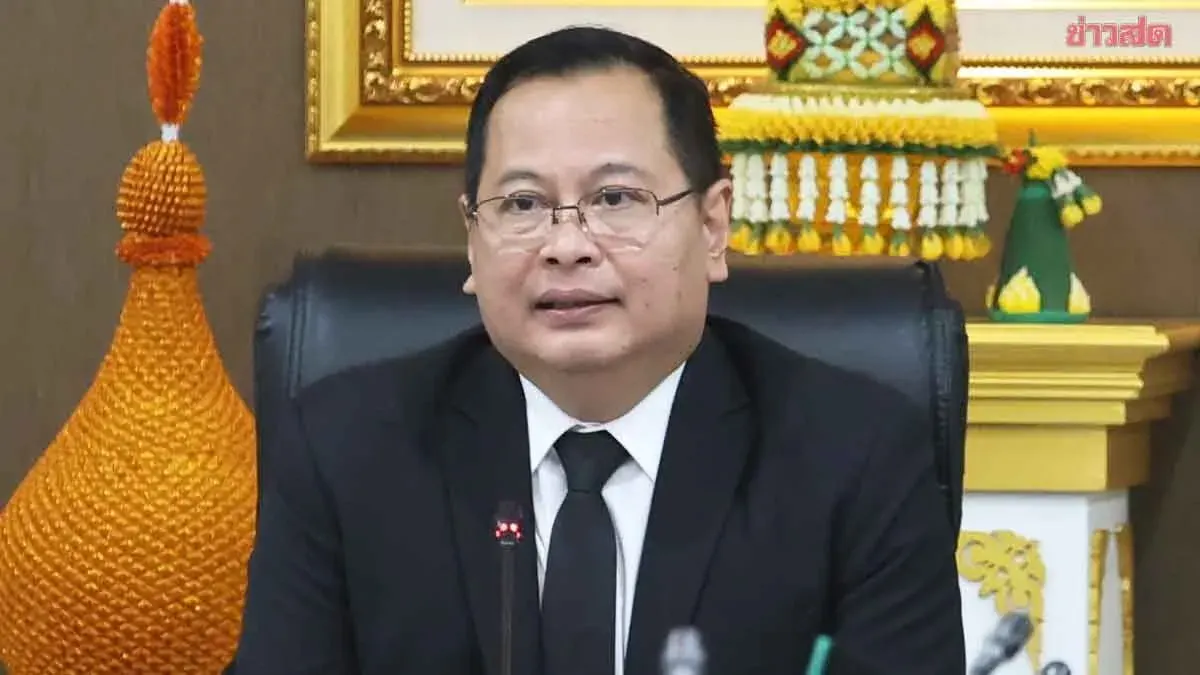
At 3 p.m. on September 21, 2026, at Government House, Deputy Prime Minister Pakorn Nilprapath announced the results of the Social Peace Promotion Committee meeting. He explained that the Amnesty Act was enacted to build social harmony, as Thailand has experienced ideological divisions and political conflict over the past 20 years, manifesting in clashes between state agencies and the public as well as colour-coded political movements. "We do not want these conflicts to continue in Thailand," Pakorn said, calling for the nation to move toward lasting peace and national development.
Following parliamentary approval, the Act is now in effect, and relevant agencies including prosecutors, courts, correctional authorities, and detention facilities must implement it according to Section 8. Two subcommittees will be established: one to screen and filter complaints, and another to communicate and educate the public about the process.
Pakorn stated that the Prime Minister's Office will request all related agencies to submit details of cases already processed under the law within 30 days. The committee will then verify this information and open channels for people affected by assemblies or legal proceedings to check records and file complaints if cases were overlooked. The committee's decision will be final in order to resolve conflicts and build social peace.
The implementation must be completed within 180 days, targeting March 2027, Pakorn emphasized. The committee will interpret the law broadly, covering any political or ideological disputes without strict judicial definitions, aiming to maximize reconciliation. He clarified that amnesty applies only to offences against state agencies, such as property damage during protests, and does not cover private disputes between citizens or corruption cases. The Office of the Prime Minister will issue notices to relevant agencies today, though Pakorn acknowledged that some detainees have not yet been released since the law took effect.