Government Opens Political Amnesty Applications Until January 2027
The Thai government has officially opened applications for political amnesty covering cases from 2005 to 2025 related to protests or political expression. Eligible individuals can submit requests until January 31, 2027 through three channels, though key exceptions such as lese majeste and corruption offenses remain excluded. The process involves verification by a special committee and does not guarantee immediate release.
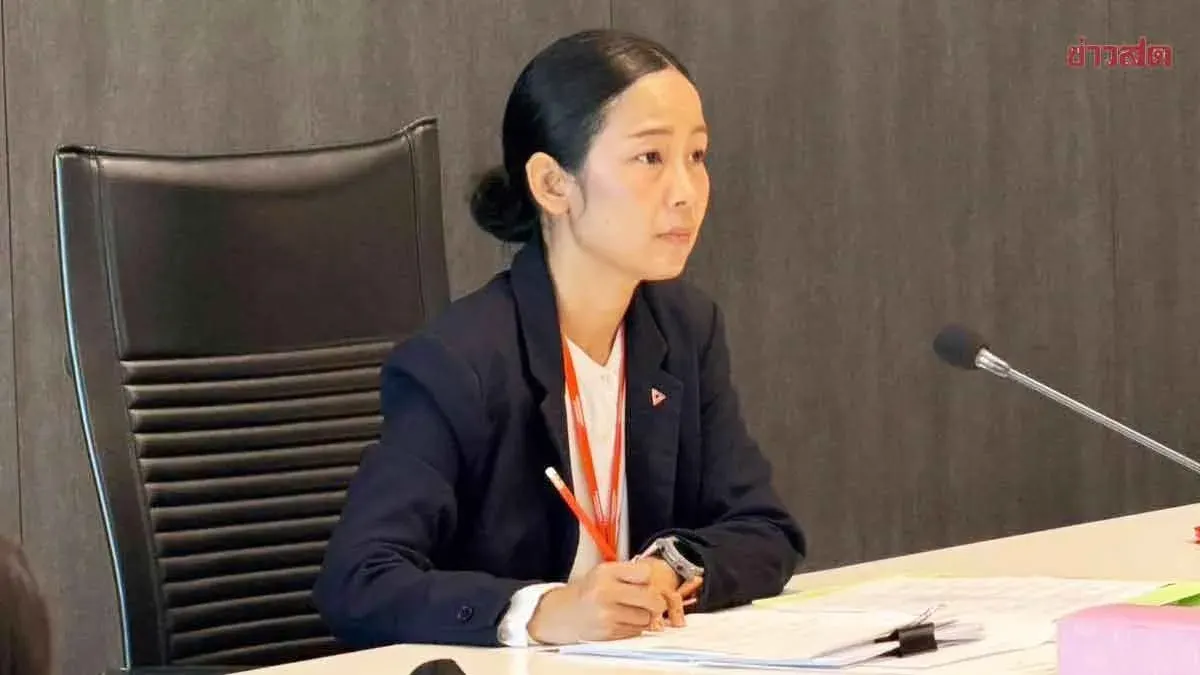
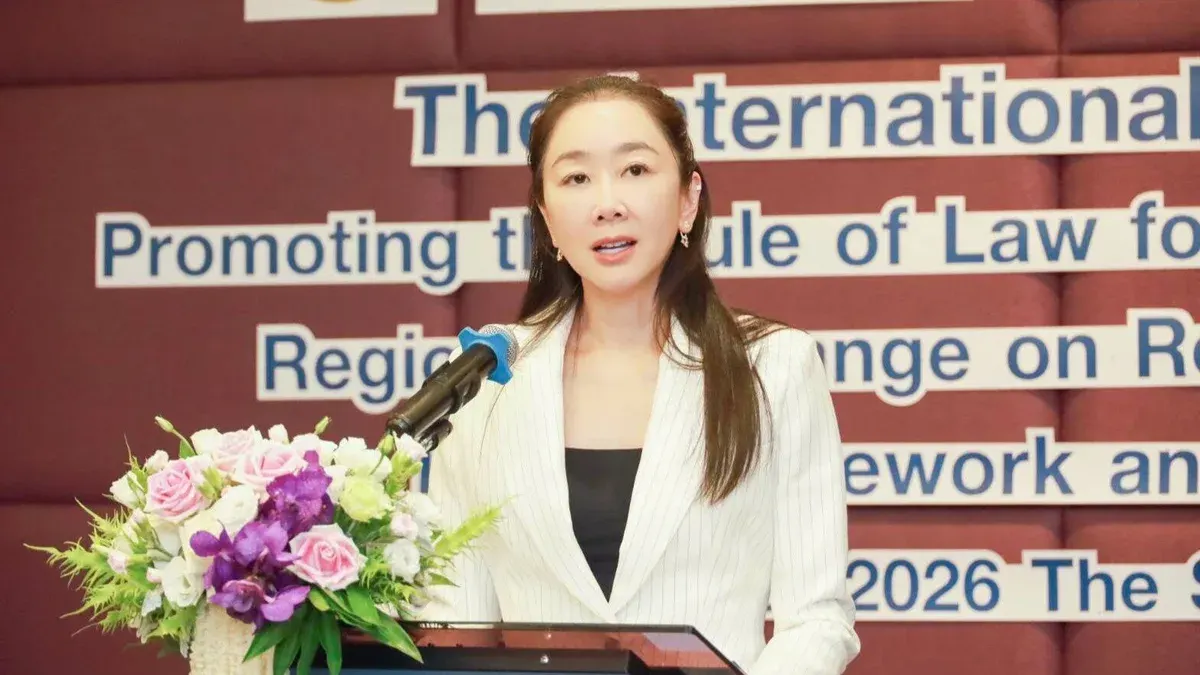
MP Sasinan Thamnithinan, a Bangkok list MP from the Prachachon Party, announced progress on the amnesty process for offenses arising from political assemblies or expression. The Committee for Promoting Social Harmony has officially declared channels and methods for submitting amnesty requests for people facing charges linked to political gatherings or expression stemming from political conflict or motivation. Coverage spans cases from January 1, 2005 to July 16, 2025, with applications open from today until January 31, 2027.
Sasinan stated that eligible applicants are those with cases connected to political assemblies or expression during that period, though each case must be examined carefully against legal conditions. Important exceptions remain: offenses under Criminal Code Section 112 (lese majeste), corruption or misconduct, offenses causing death or grievous harm, and others specified by law. The Committee decides eligibility, while the Office of the Prime Minister (OPM) receives and coordinates applications.
Three main submission channels are available: in person at the OPM Joint Service Center on Phitsanulok Road, Dusit, Bangkok; by post to P.O. Box 1111, Government Complex, Bangkok 10302 (no stamp required); or electronically to [email protected]. The process involves four steps: download the form from the OPM website, complete details accurately, attach required documents (ID, charge sheet, indictment, judgment if any, evidence of participation in political assembly or expression), and submit via one channel. Officials will follow up for further coordination.
For detainees currently imprisoned, Sasinan clarified that eligible inmates can prepare and send requests by mail from prison, while family, relatives, or lawyers can gather case documents and coordinate to ensure full access to rights. Signature and proxy submission rules should be verified with OPM first. No inmate should lose the opportunity due to lack of support.
Sasinan emphasized that submitting a request does not mean immediate release; it is only the start of a verification process. Once the Committee approves eligibility, legal procedures will follow accordingly.