National Land Policy Office Hosts International Workshop on Secure Land Rights
Thailand's Office of the National Land Policy Committee hosted a three-day international workshop in Bangkok from November 5–7, 2026, focusing on strengthening secure land rights through legal reform and regional cooperation. The event brought together Thai officials, international experts, and organizations like the Konrad Adenauer Foundation to discuss land law, dispute resolution, community rights, and forest land management. A field visit to Ayutthaya province provided practical insights into local land administration.
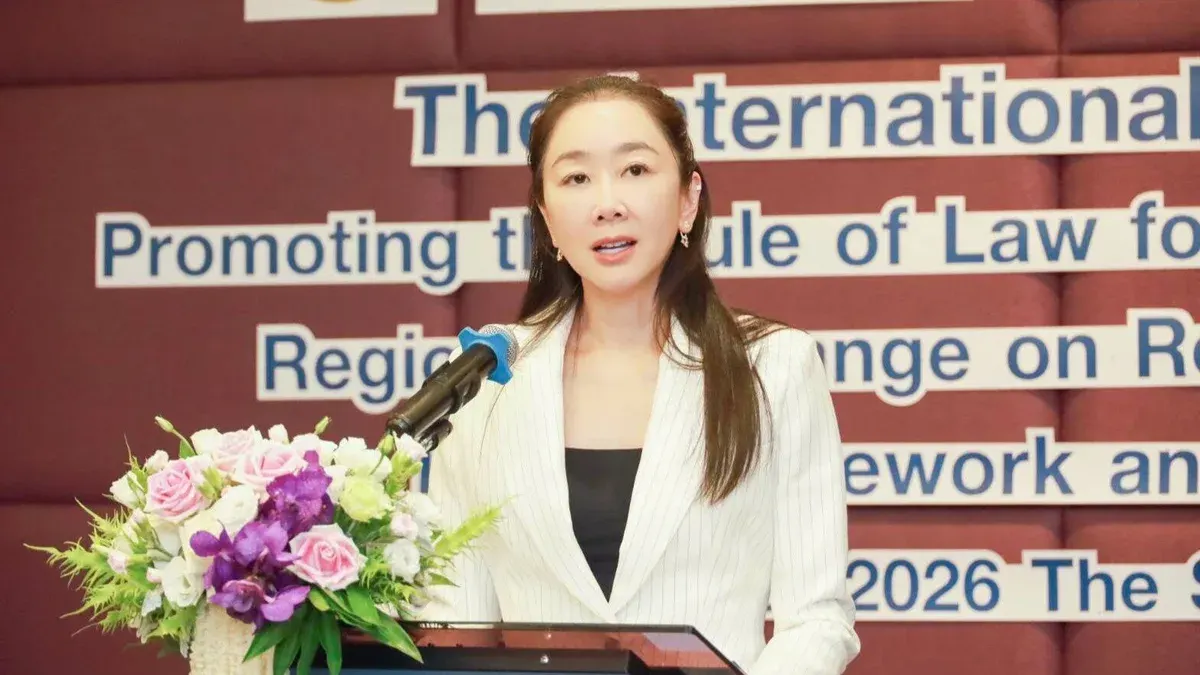
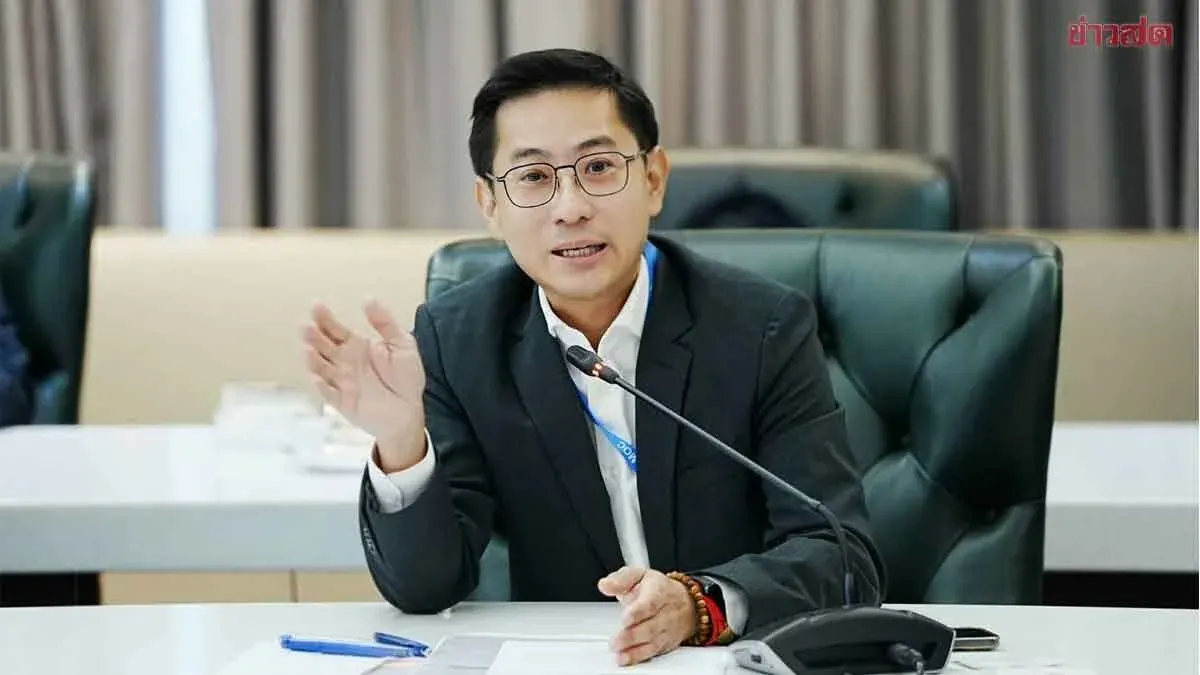
Dr. Chayanant Phakdeejit, Director of the Office of the National Land Policy Committee (ONLPC), presided over the opening of the international workshop "The International Workshop on Promoting the Rule of Law for Secure Land Rights: Regional Exchange on Regulatory Reform, Legal Framework and Mechanism" from November 5–7, 2026 at The Sukosol Hotel, Bangkok. The workshop opened a platform for exchanging knowledge, experience, and practices on land law, policy, and management between Thailand and experts from various countries, while also promoting cooperation in developing legal mechanisms and land administration systems that are efficient, transparent, and mindful of justice in people's access to land rights.
The meeting was organized in collaboration with relevant organizations and agencies, including the Konrad-Adenauer-Stiftung (KAS), the Science, Research and Innovation Promotion Fund (TSRI), and the Office of the National Science and Technology Development Agency (NSTDA). Executives, scholars, legal and land policy experts, as well as representatives from domestic and international agencies participated to exchange experiences and opinions.
Over the three days, the program included keynote lectures, panel discussions, and working sessions covering key dimensions of land administration: promoting the rule of law as a foundation for sustainable development; developing national land laws and policies; creating tenure security; and developing legal frameworks, institutions, and management mechanisms aligned with changing economic, social, and environmental contexts.
Emphasis was also placed on exchanging approaches to land dispute resolution and access to justice; protecting land rights of local communities and ethnic groups; managing forest areas and natural resources; administering land in fragile areas; and developing land governance systems to ensure that the use of state land and other land types is appropriate, transparent, and beneficial to society as a whole.
Another key activity was the group discussions and workshops that allowed participants from diverse countries and disciplines to jointly analyze situations, problems, and challenges, as well as exchange solutions and policy recommendations on issues such as improving land laws and policy mechanisms; recognizing community land rights; developing land database systems; managing state land; and developing accessible and fair land dispute resolution mechanisms.
On November 7, 2026, a study visit was also organized in Phra Nakhon Si Ayutthaya Province to give participants the opportunity to learn from and experience real-world land management contexts, helping to link workshop knowledge to practice.
This meeting represents another important step in promoting international cooperation on land policy and law, as well as supporting the development of Thailand's land administration mechanisms in a more systematic manner.