Police 'Little Detective' Program Teaches Chula Students Crime Prevention
Bangkok's Chulalongkorn Demonstration School hosted a two-day "Little Detective" crime prevention program led by the Metropolitan Police Bureau's "Jor Jae Jab Chor" team for about 1,200 secondary students. The workshop used real-case lectures and immersive simulations to teach youths how to spot drug risks, online scams, virtual kidnapping, and gaming grooming, while sharpening observation and analytical skills through a "White Mask" mystery exercise.

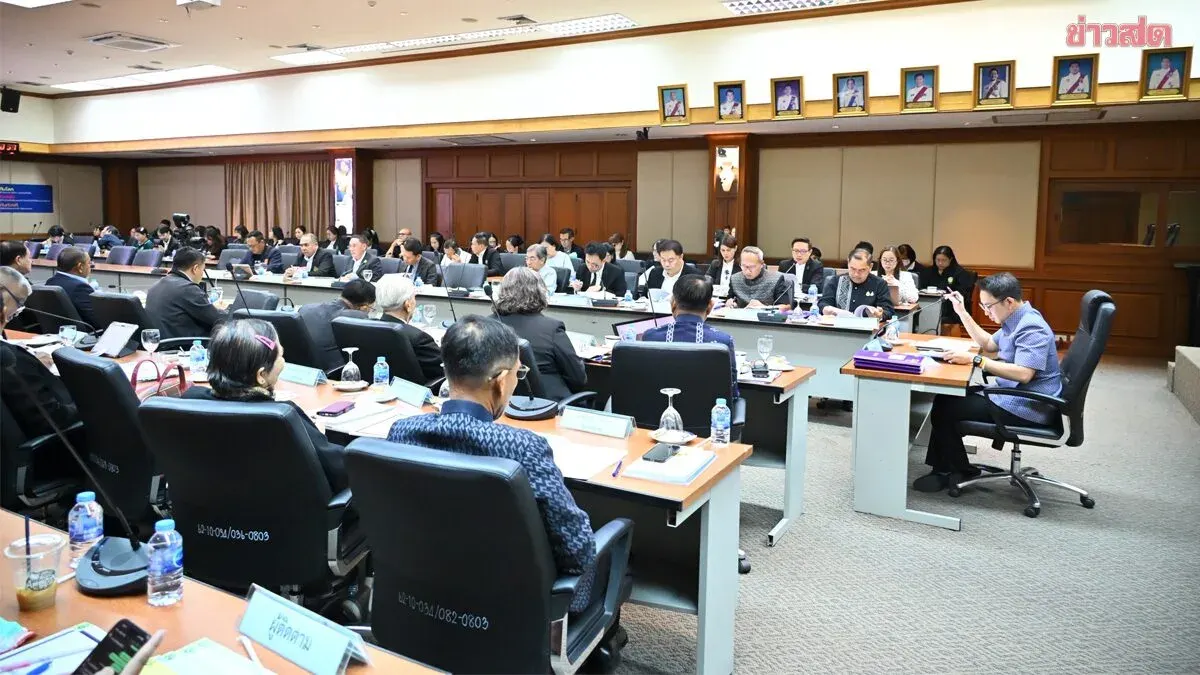
The "Jor Jae Jab Chor" police team visited Chulalongkorn Demonstration School to launch the "Little Detective" mission, teaching students to recognize dangers and solve crime mysteries. On November 24-25, 2026, Pol. Maj. Siam Boon-som, Deputy Commissioner of the Metropolitan Police Bureau, assigned Pol. Lt. Col. Teeradech Thammasut, Deputy Commissioner, along with the "Jor Jae Jab Chor" team, to join with school director Supatra Uthamang, Vice Dean of the Faculty of Education, and Kanit Sarasin, President of the Chulalongkorn Demonstration School Alumni Association. The activity featured lectures sharing real-case experiences, opening a world of learning about new-era crime dangers including drugs, scammers, virtual kidnapping, and online game grooming, plus intensive simulated scenarios to train analytical thinking and observation skills for Chulalongkorn Demonstration School secondary students under the "Little Detective" activity at the Phun Thong Noppawong Na Ayutthaya Conference Room, Faculty of Education, Chulalongkorn University.
On November 24 for lower secondary students and November 25 for upper secondary students, approximately 1,200 students total participated, focusing on experiential learning, case studies, and activities allowing youth to engage closely.
The first session presented perspectives on drug dangers that may lurk near teenagers' lives, from peer invitation and curiosity to tricks that ensnare youth into drug involvement unawares, while conveying lessons from investigative experience reflecting impacts on health, family, education, and future to build mental immunity and refusal skills before falling into risky situations, under the principle "Know Drug Dangers in Time Before a Misstep Leads to a Criminal Path."
Next, the program exposed scammers, virtual kidnapping, and online game grooming, delving into new cyber threats targeting children and youth, especially virtual kidnapping scams that use psychology to create fear, tricking victims into separating from family before demanding money from parents, plus online game grooming where predators pose as gaming friends, using intimacy and in-game benefits to build trust before luring victims to reveal personal information or meet in real life, while teaching youth to recognize criminals' tricks, spot danger signals, and protect themselves appropriately.
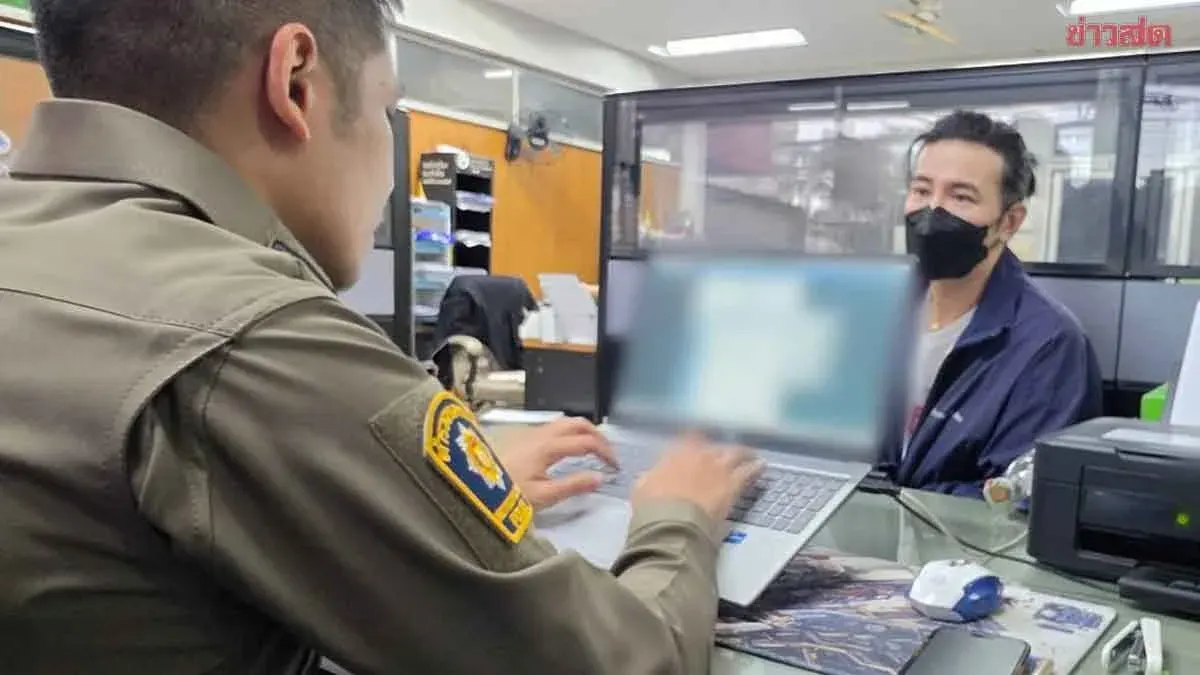
A highlight was the simulated scenario activity "THE WHITE MASK — Who Is the Real Villain?" simulating police tracking a suspect in a red outfit inside the auditorium, leading to a final challenge when six masked suspects appear simultaneously. All students must observe, memorize facial features, analyze behavior, and identify the perpetrator in the simulated event through investigative games and step-by-step clue reveals before the truth is disclosed by key witnesses, training analytical thinking, being a good witness, and avoiding rash judgment based solely on memory. The lecture concluded with "Detective Jae" Pol. Maj. Thanyaphrisit Chunliphuwap sharing investigative experience, revealing criminal behavior patterns, analytical thinking processes, and lessons from criminal cases that youth can apply to protect themselves and those around them.
Pol. Lt. Col. Teeradech Thammasut, Deputy Commissioner and Deputy Spokesperson of the Metropolitan Police Bureau, said: "The 'Little Detective' activity aims to let youth learn about crime dangers through real investigative experience, blending knowledge with fun, participatory activities to train observation, analytical thinking, and rational decision-making skills, because we don't want..."