Prachachat Leader Urges Elected Governors for Deep South
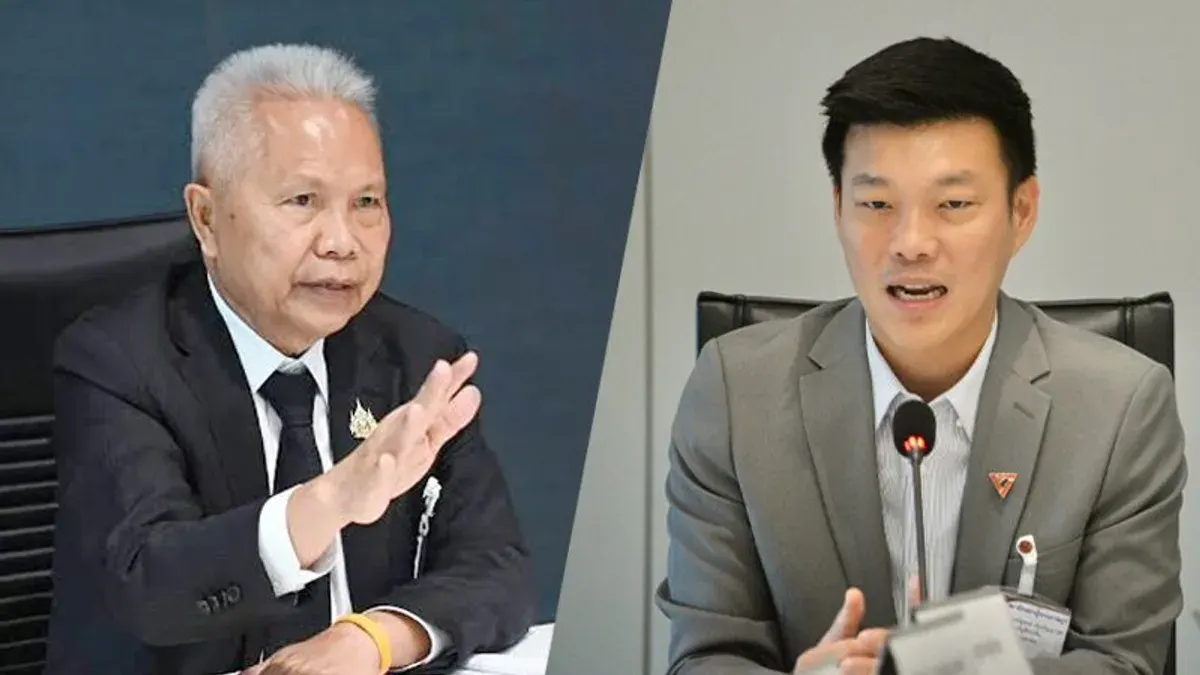
Prachachat Party leader Pol. Lt. Col. Thawi Sodsong has proposed electing governors for Thailand's three southern border provinces or restructuring the Southern Border Provinces Administrative Center to achieve lasting peace. The former SBPAC secretary-general argues decentralization is essential because the region's distinct identity and demand for self-governance cannot be addressed through centralized rule. His suggestions come amid ongoing violence, including a November 9 security operation in Yala that killed a wanted suspect, which analysts say undermines peace efforts.
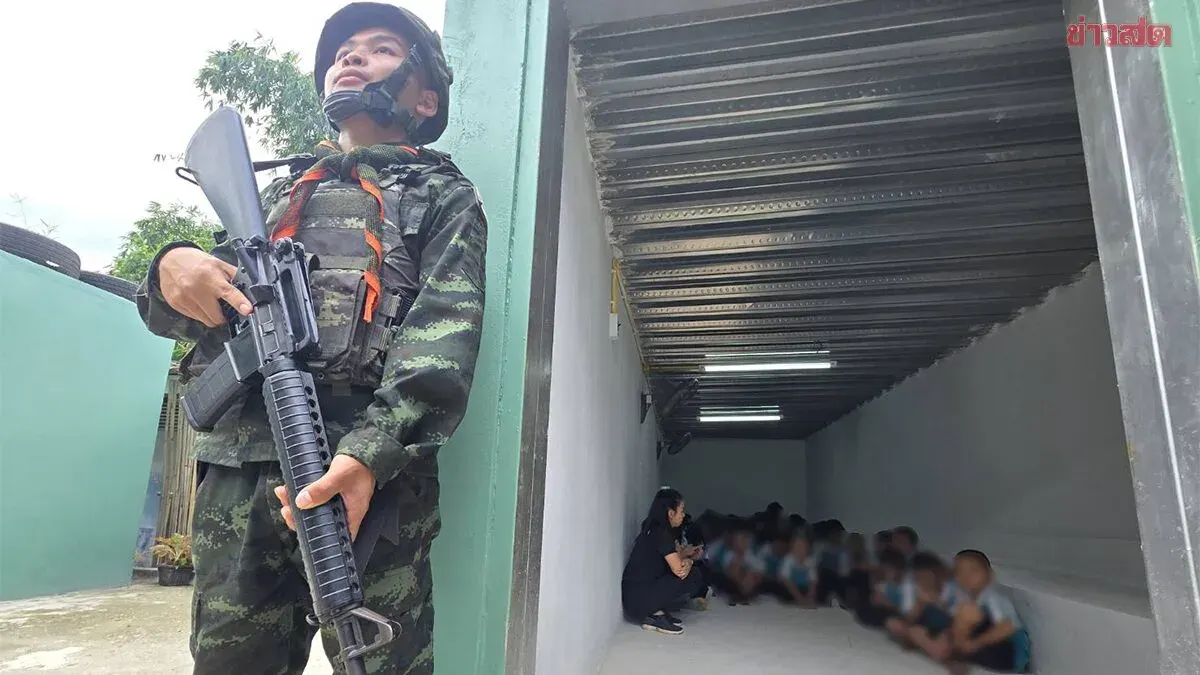
Unrest and violence in Thailand's southern border provinces remain a problem that many governments, including the current one, have failed to resolve despite declared peace efforts. The latest incident occurred on November 9 when security authorities warned the public to avoid travel in an area of Thanto District, Yala, to prevent danger from an ongoing operation. The situation escalated into a forest cordon that ended with the extrajudicial killing of a wanted individual; officials stated the person was linked to attacks in the area. Even though the deceased was a wanted suspect, the overall pattern does not bode well for building peace in the deep south.
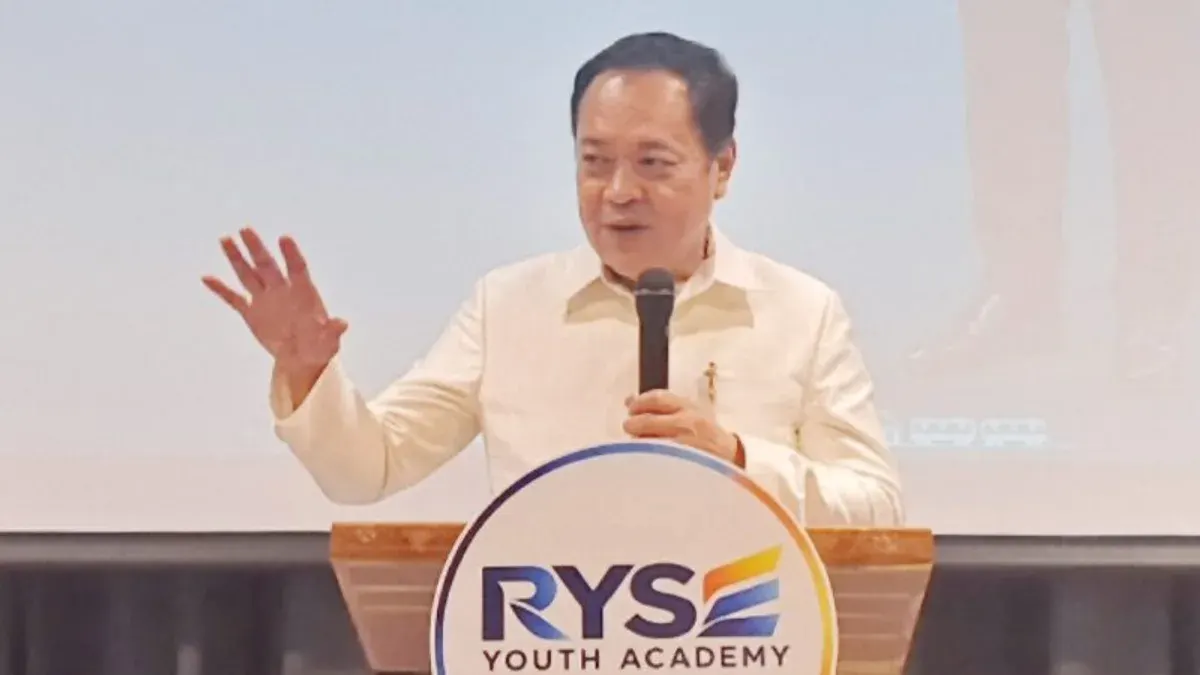
At a recent youth forum on designing solutions for the southern conflict held at the Yala City Museum, a critical issue for achieving peace was highlighted. Pol. Lt. Col. Thawi Sodsong, leader of the Prachachat Party and former secretary-general of the Southern Border Provinces Administrative Center (SBPAC), who previously played a role in addressing the southern unrest, offered a significant proposal. He stated that solving the southern problem cannot be separated from administration and governance, because the border provinces differ from other regions in identity, beliefs, and the right to self-governance. Therefore, the only way to bring peace to the south is decentralization of power.
He further suggested adopting the Bangkok model of elected governors for the three southern border provinces, or restructuring SBPAC so that local people feel officials are "one of us" rather than state-appointed outsiders. Thawi's proposal challenges the existing power structure, particularly the idea of electing governors in the three provinces, which would require substantial mutual understanding. However, restructuring SBPAC might be more straightforward; the agency was once effective in addressing southern issues, but after the 2014 coup the military government placed it under the Internal Security Operations Command (ISOC) Region 4, altering the trust and perception locals once had. Therefore, if the government genuinely aims to achieve the promised peace in the deep south, it should seriously consider and adapt these proposals, which would be highly beneficial.