Priset Criticizes Double Standard in Amnesty Bill
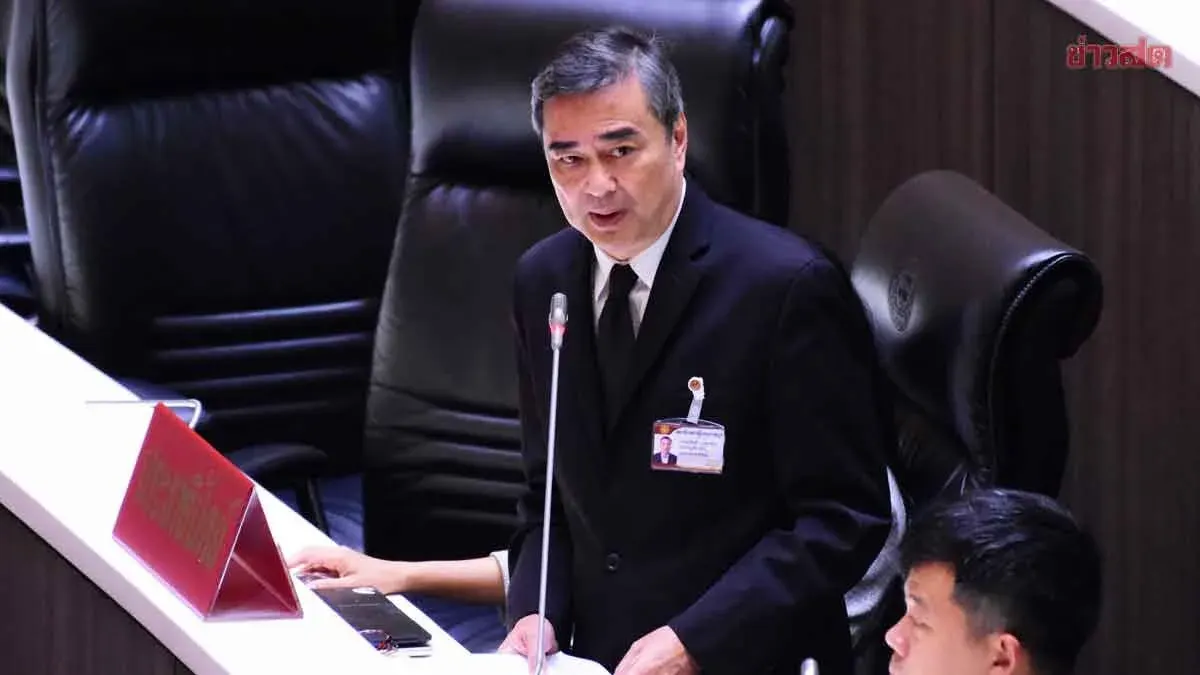
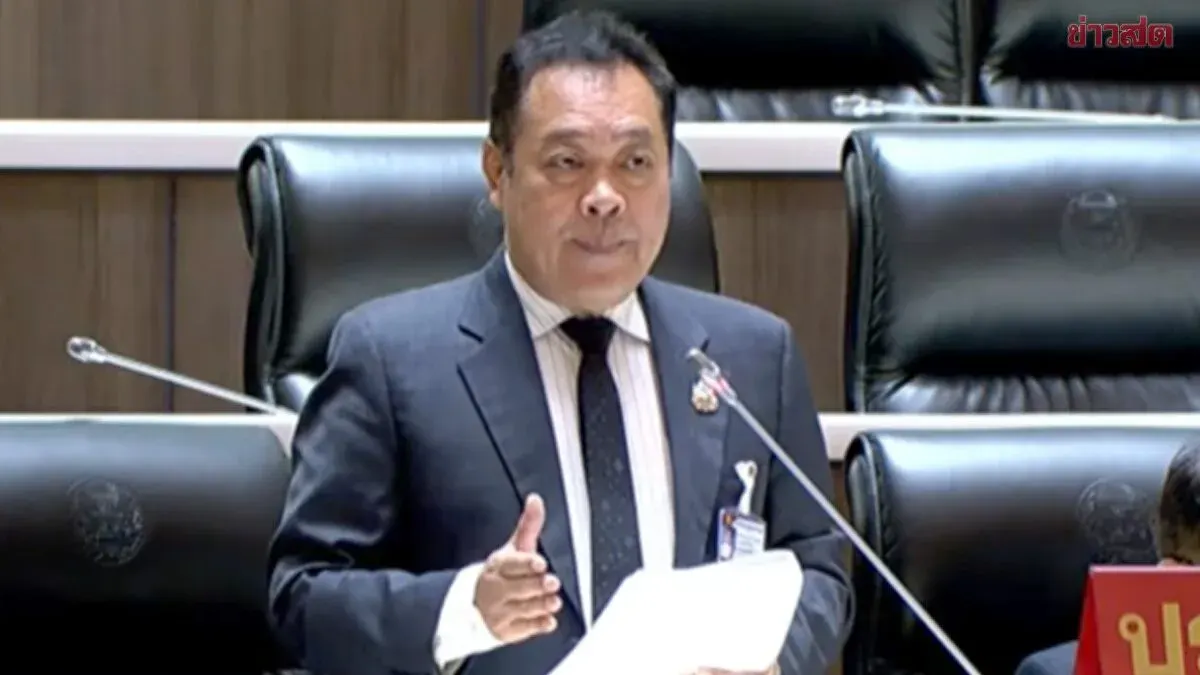
Priset Watcharasindhul criticized Parliament's amnesty bill amendments for applying double standards, arguing that a peaceful society cannot exclude youth while forgiving political actions by other groups.
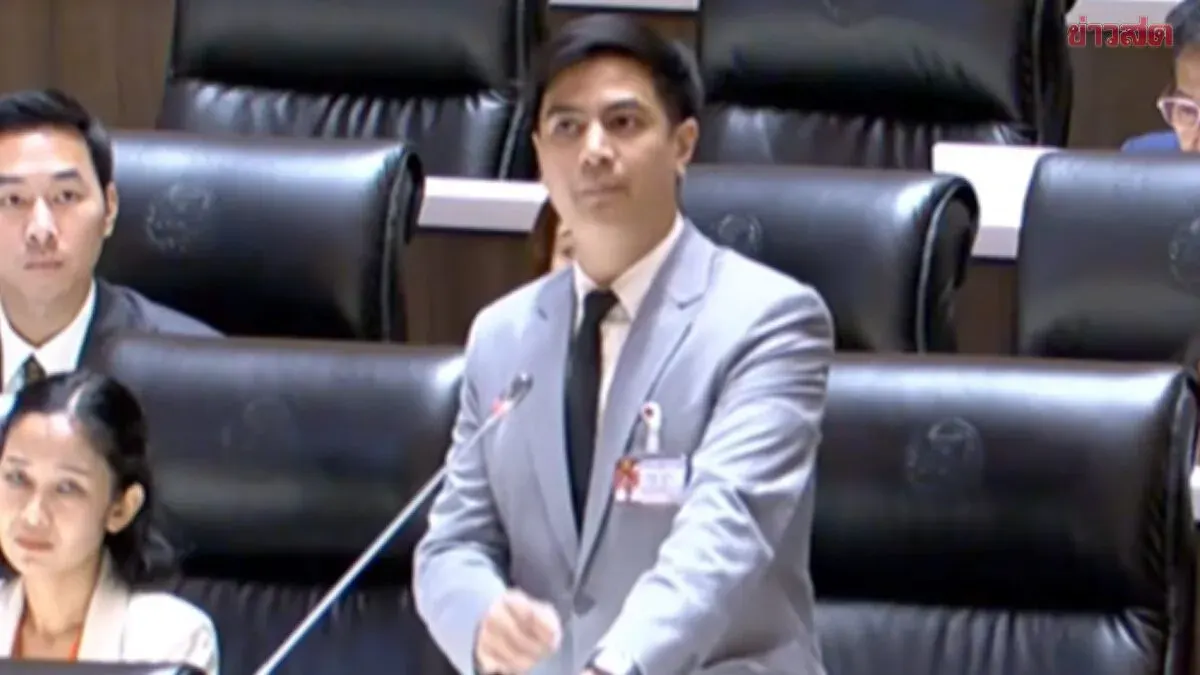
Priset Watcharasindhul insisted on establishing a joint committee to review the amended amnesty bill, arguing that a peaceful society cannot be built through double standards. He criticized Parliament for closing doors to youth, refusing to welcome or allow children to pass through, warning that the harder the doors are forced shut, the faster they will break. He asked to be a small stone to make closing the doors more difficult.
On July 8, 2025 at 4:55 PM at Parliament, Priset discussed how the Senate's amendments, particularly Section 11, would move the law further from the goal of promoting peace. He argued that amnesty mechanisms can help resolve political conflicts, but questioned whether Parliament truly understands which type of amnesty can achieve this.
Priset stated that creating a peaceful society cannot involve a double standard where political expression by one group—such as occupying government buildings or surrounding polling stations—is forgiven, while political expression by another group—even just sharing a Facebook post by someone under 18—is deemed unforgivable.
He explained that the current approach creates two standards of amnesty: one for those prosecuted under Article 112 of the Criminal Code and another for those prosecuted under other articles, including some carrying more severe penalties than Article 112. Pheu Thai Party has worked to prevent such double standards, previously questioning whether Article 11 mechanisms truly help youth.
"I respect the intention of those proposing this mechanism to genuinely help youth. But when we reached this point, the original intentions and majority voices were completely rejected by the Senate, which added a second paragraph to Article 112 explicitly prohibiting use of this mechanism to assist children and youth prosecuted under Article 112," he stated.
"What we and Pheu Thai have repeatedly emphasized is that if we must create a door to help all groups affected by past political conflicts move toward peaceful society, that door must be wide open to everyone and treat everyone by the same standard. But what this Parliament is doing is telling some groups that the peaceful society behind this door does not welcome them and will not allow them to pass. When we suggested creating another door, perhaps requiring a longer detour with more conditions to prove, Parliament refused. So we asked for a small door just for children and youth to pass through, but Parliament still refused. Now the Parliamentary majority is essentially walking to that small open door and slamming it shut in their faces, adding multiple locks to tell society that the peaceful society beyond does not welcome them."
Priset continued his critique of the legislative approach to amnesty and youth protections.