Protesters Occupy Government House Demanding Fuel Price Cuts
Protesters led by Kamnan Mano occupy Government House demanding a 10-baht fuel price cut and cost-of-living relief, with demonstrations expanding to include other activist groups
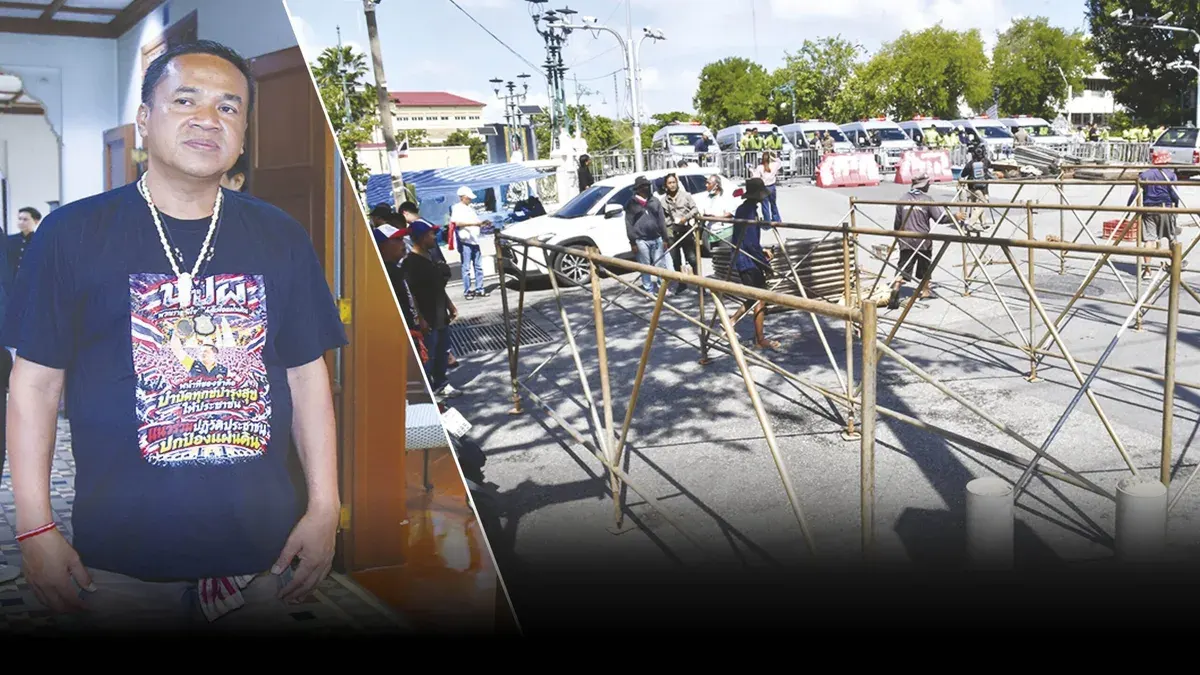
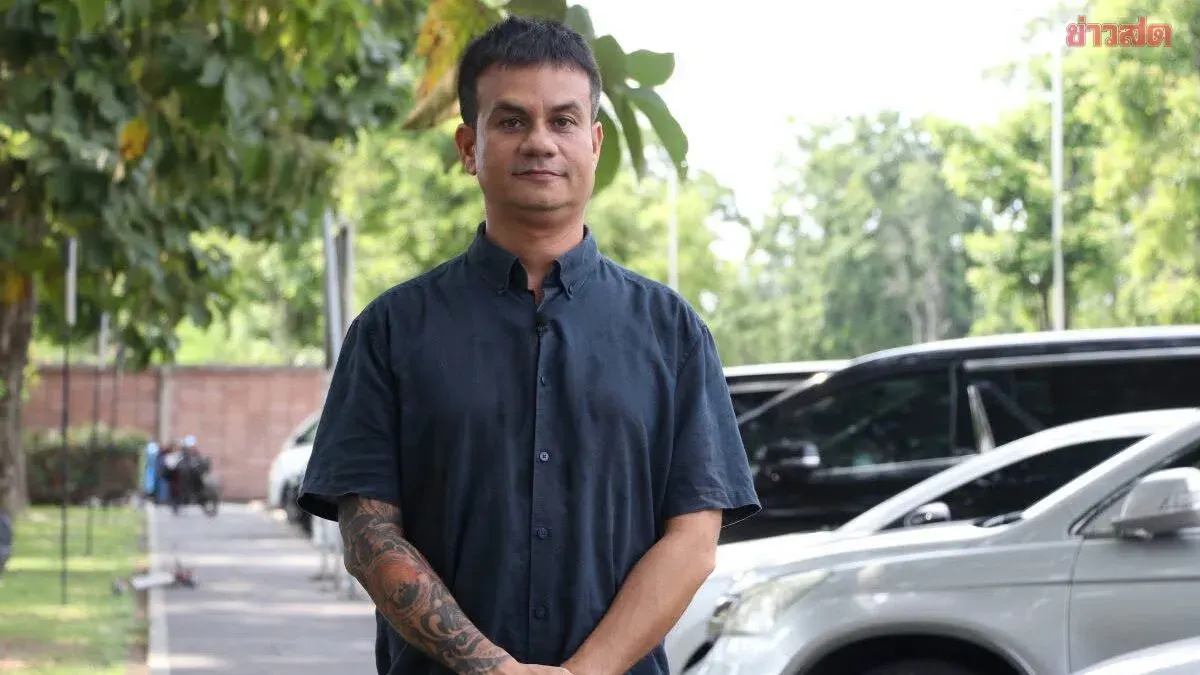
The protest by the Network of People's Revolution to Protect the Land, led by "Kamnan Mano" Mano Khruea Kaeo, kamnan of Krabi Noi subdistrict in Krabi province, camped outside Government House has become a pressing issue for the Paetongtarn administration. Signals suggest the demonstration may not end quickly. Protesters have three core demands: an immediate 10-baht-per-liter cut in all fuel prices plus disclosure of pricing and refining costs; solutions to the cost of living, high consumer prices, and falling farmgate prices; and serious action against drugs, corruption, position buying, and shadowy capital. The fuel-price demand is especially difficult for the government to meet immediately because it involves the pricing structure, taxes, and the oil fund. With positions far apart, easy negotiation looks unlikely. The movement is also expanding beyond Kamnan Mano's group to include anti-potash mining activists, the Khon Chaung anti-dam network, and the World Garden Plantation reclamation group from Nakhon Ratchasima, turning Government House into a convergence point for grievances against government policies. Coordination with activists and politicians, and a protest timetable running from November 8 to December 7 aligned with the parliamentary no-confidence debate, indicate a long-term strategy. The government says it is ready to listen and will not block peaceful, lawful assembly, while police maintain security around Government House. Although the protest may drag on, the likelihood of it toppling the government is low, and most demands remain negotiable. Risks include protester fatigue, clashes with officials, infiltration by political actors or third parties, and disruption to traffic and livelihoods — any of which could escalate into major conflict if prolonged. The government must act early, sending representatives to negotiate and ease pressure, because history shows violence is no solution. Officials and protest leaders alike must exercise restraint and avoid creating conditions for confrontation. All sides should heed the lesson that violence not only harms the public but also strips legitimate demands of their moral legitimacy.