PTT's Proactive Management Sustains Thailand's Energy Stability Amid Global Energy Volatility
PTT manages Thailand's energy security despite importing 90% of crude oil by proactively sourcing alternative supplies during global crises, absorbing over 230 billion baht in additional costs to keep fuel prices stable for consumers.
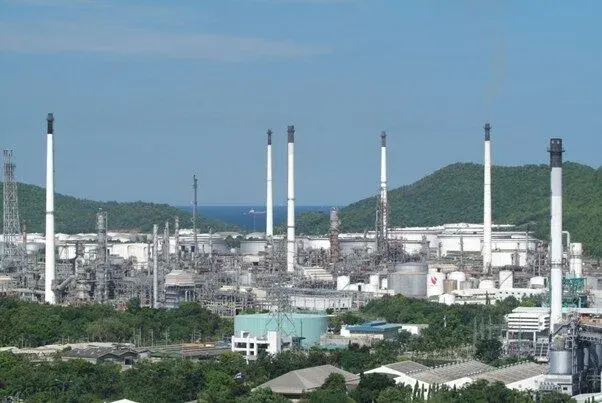
As global conditions grow increasingly turbulent, with particular tensions in the Middle East—the lifeblood of world energy supply—many countries face disruptions and rapidly surging energy prices. Amid this uncertainty, many Thais ask: "How does Thailand maintain steady oil supplies when we import 90% of our crude oil and face external crisis factors?" The answer is not luck or self-resolving circumstances, but rather strategic thinking: proactive management and advance risk assessment to ensure continued energy availability despite global market uncertainties.
Energy security means more than just faster procurement—it requires managing risks proactively without allowing external pressures to create impossible situations. When Middle East instability disrupted shipping through the Strait of Hormuz, the tanker Serifos carrying approximately 2 million barrels that PTT had pre-arranged became stuck at Sharjah port from early March 2025. Rather than passively waiting for the situation to improve, PTT decided to actively source crude oil from alternative suppliers immediately, despite tight global markets and crude prices reaching $130 per barrel—inevitably bringing higher costs across the board. Yet from an energy security standpoint, this decision was worth the price to guarantee national security, since even a one-month delay during crisis could create a domino effect devastating transport, industry, and citizens' cost of living.
Behind the energy security that citizens see through never-empty gas stations lies an iceberg of complex management—particularly the financial capacity PTT deploys as a shield against shocks to Thailand's economy. Sourcing oil from new reserves at surging market prices impacts more than just cost accounts; it requires massive liquidity to keep the nation's energy system running. The financial burden of this stability includes: margin calls for crude oil purchases of approximately 63 billion baht; working capital for additional oil and gas procurement of approximately 137 billion baht; outstanding payments from fuel funds due to price compensation of approximately 34 billion baht. Total additional liquidity burden exceeds 230 billion baht, generating 7 billion baht in annual financing costs—without passing costs to consumers through fuel prices. These figures prove that energy security is not merely about supply, but about having a strong institution capable of bearing interest and costs on behalf of the people. These costs are not normal operations and are not passed to consumers, but rather represent the price of risk reduction for the nation.