Thai Airlines Cuts Capacity 13% to Weather Oil Crisis
Thai AirAsia cut capacity 13% and raised fares 27% to cope with jet fuel prices that doubled, reporting a net loss of 2.3 billion baht in the second quarter despite maintaining Thailand's largest domestic market share.
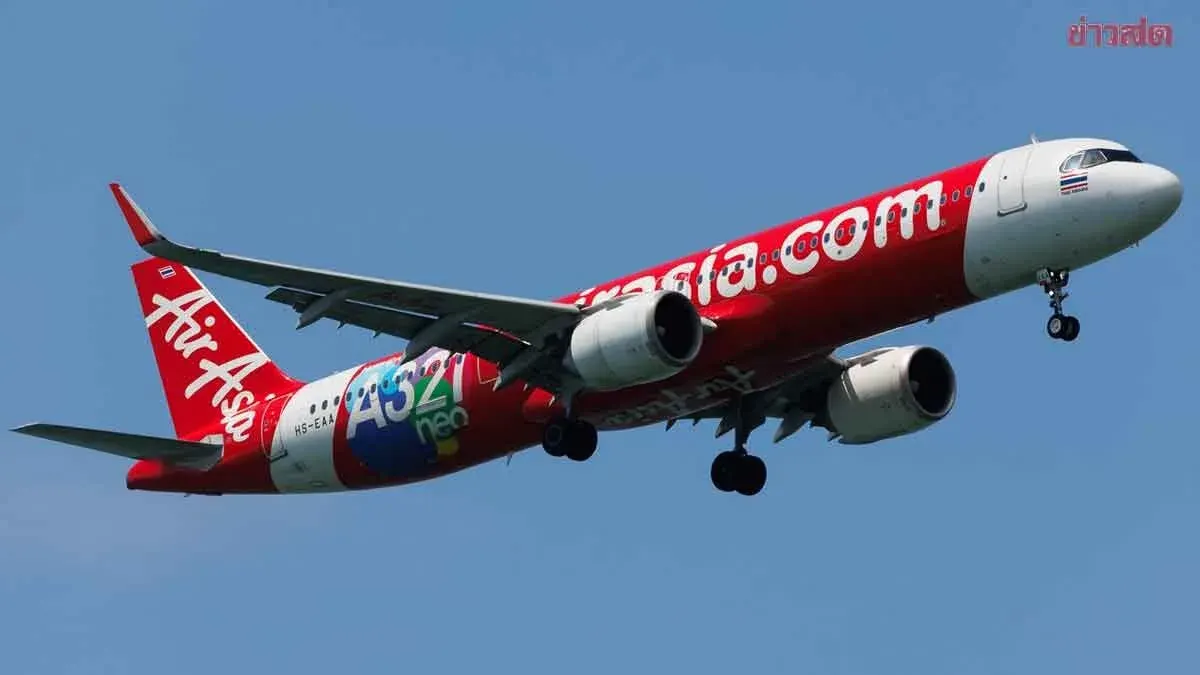
Asia Aviation, the major shareholder of Thai AirAsia, reported second-quarter 2025 financial and operational results on August 14. Despite facing historic fuel price volatility—crude jet fuel surged 124% to $183 per barrel—the airline swiftly adjusted strategy to preserve profitability by cutting seat capacity and boosting per-seat yield on high-potential routes.
Revenue from ticket sales and services reached 10.046 billion baht, up 2% from the same period last year, with ticket revenue alone growing 6% to 8.575 billion baht. The airline reduced seat capacity by 13% to 5.14 million seats while raising average fares by 27%, partly offsetting the jump in fuel costs. Despite this, fuel expenses surged 43% to 5.011 billion baht. The airline still achieved an EBITDA profit of 25 million baht but reported a net loss of 2.326 billion baht for the quarter, which included 293 million baht in foreign exchange losses.
The airline maintained its low-cost carrier DNA through rigorous cost controls, cutting non-fuel operating expenses by 8%, sales and administrative costs by 17%, and staff expenses by 12%. On-time performance recovered to 88%, and Thai AirAsia retained its position as Thailand's leading domestic carrier with a 37% market share and 80% domestic load factor. The company also successfully raised 3.815 billion baht through new bond issuance in June, maintaining a net debt-to-equity ratio of 1.1 times. Chief Executive Pairach Porpattananurak stated the airline prioritized liquidity and profitability on profitable routes while raising fares to reflect actual costs while sustaining domestic passenger volumes.