Thailand Confident in Managing U.S.-Iran Tensions Impact
Thailand's state price controls on fuel and living expenses have kept inflation modest at 1.08% despite U.S.-Iran tensions threatening global energy supplies, according to the Commerce Ministry's trade policy director.
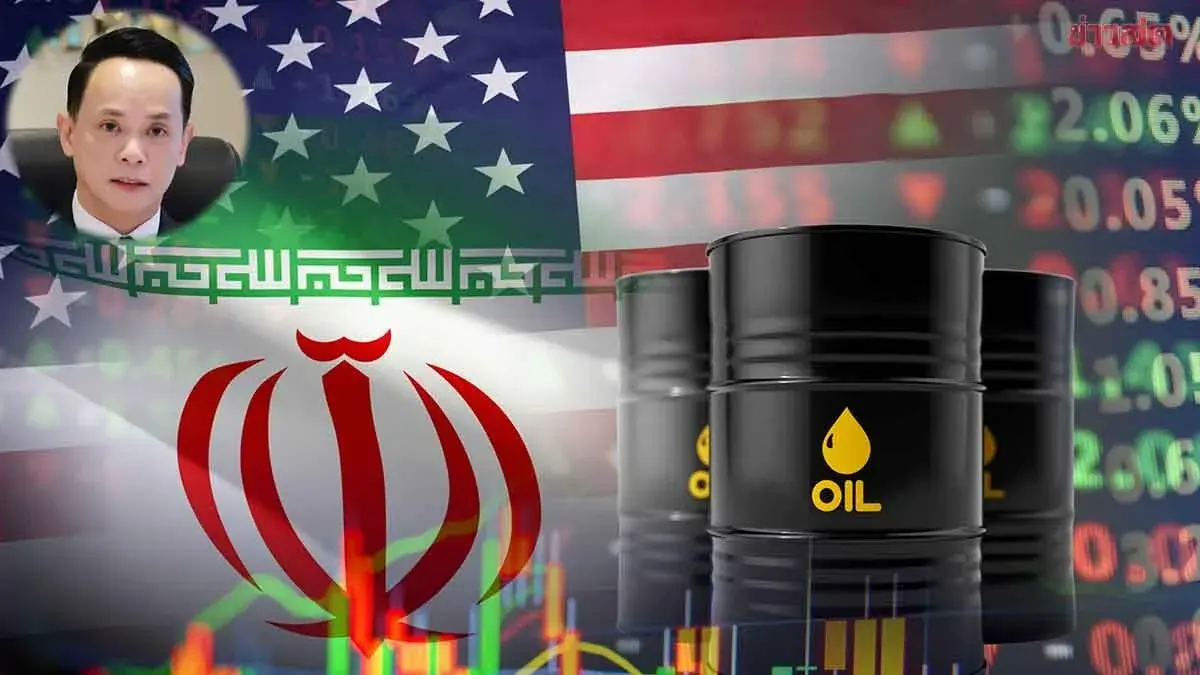
On August 14, Nanthapon Jiralertpongsakul, director of the Office of Trade and Investment Policy Assessment under the Commerce Ministry, said the escalating U.S.-Iran tensions must be closely monitored. A prolonged conflict risks disrupting global energy supplies and triggering inflation across many nations. However, Thailand has managed pressure from rising energy costs through state price controls on fuel and living expenses, keeping first-half inflation modest at 1.08% and within the 1–3% target range.
Tensions flared anew when U.S. President Donald Trump announced on July 8 that a U.S.-Iran ceasefire agreement signed on June 17 had ended. After both sides launched military strikes in the Middle East, crude oil prices rose sharply, raising global concerns that prolonged conflict could spark renewed inflation worldwide. Since early this year, the first round of clashes has already pushed oil prices and inflation higher across multiple countries.
Inflation impact varies by nation depending on energy dependence and policy. The Philippines imports over 90% of its oil from the Middle East and faces high fuel costs as its peso weakens. Malaysia, a net energy exporter, subsidizes retail fuel prices from oil revenues, limiting inflation pressure. Thailand faced clear upstream cost increases in the second quarter, with producer prices up 8.2% year-on-year and freight costs up 11.1%. However, state energy price controls prevented sharp retail fuel swings, keeping second-quarter inflation at 2.70% year-on-year and overall first-half inflation at just 1.08%.
Director Nanthapon assessed that although Middle East tensions remain uncertain and could push global energy prices higher, Thailand's effective energy and cost-of-living price controls—reflected in first-half inflation staying within the 1–3% target—position the country to absorb further volatility without severe impact on citizens' welfare.