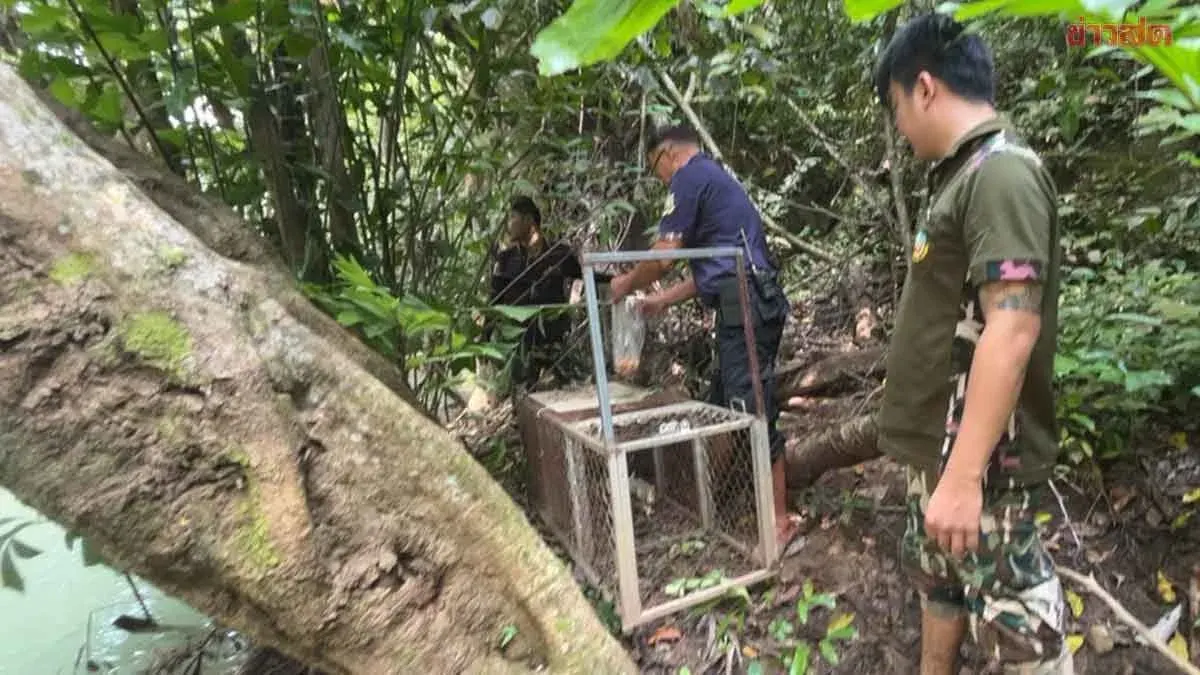
Ratchaburi Farmer Masters Japanese Sweet Potato Cultivation
Ratchaburi farmer Peerapong Daengsa-at has built a successful Japanese sweet potato operation by researching Japanese cultivation methods and trialing ten varieties. He now focuses on high-demand types like Beni Haruka and Silk Sweet, selling directly online and achieving yields of 1.5-2 tons per rai with 80% Grade A quality.
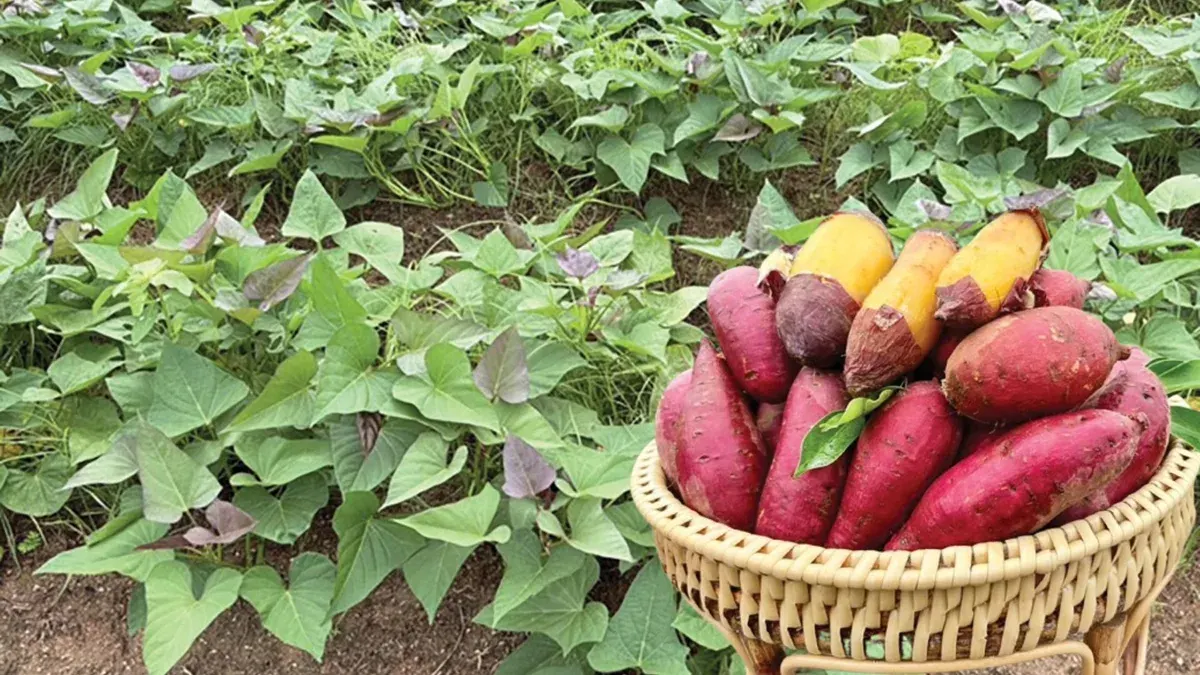
Japanese sweet potatoes are a tuber crop known for their natural sweetness, varied textures, and versatility in cooking — delicious roasted, baked, or boiled, and used in many dishes. Farmer Peerapong Daengsa-at, a Japanese sweet potato grower in Ban Ka district, Ratchaburi province, explains that he was not initially an expert but was drawn to the product's unique flavor and texture compared to regular sweet potatoes. He wanted to learn how to cultivate them in Thailand, so he researched foreign websites, especially Japanese-language sources, translating and studying production methods. He discovered an interesting propagation technique: sprouting tubers to produce shoots, then using those shoots as planting material. He bought untreated tubers, sprouted them, and sent the shoots to a nursery, initially trialing about ten varieties. The experiments taught him varietal characteristics, propagation methods, and yield differences before he scaled up for commercial sales. His farm now grows ten Japanese sweet potato varieties but focuses on those with market demand and reliable production planning. Each variety has distinct flesh color, sweetness, and texture — key factors for buyers. He emphasizes matching varieties to market needs rather than just maximizing volume. Current varieties include Silk Sweet, Beni Haruka, Orange Okinawa, Purple Okinawa, and Anno Imo. Beni Haruka is well-known among Thai consumers, while Silk Sweet is less commonly grown. The Okinawa varieties add color diversity for customers. Multiple varieties allow the farm to offer different price points and meet varied consumer preferences. Selection considers land suitability, harvest timing, and market demand, as each variety has different production constraints. Another critical factor is determining the optimal harvest window. Japanese sweet potatoes typically take 3-4 months, depending on variety and conditions. Observing plant growth is as important as counting days. In unfavorable weather, such as cool spells, vine growth and tuber bulking may slow, requiring checks on tuber development before harvest. Near winter, vines grow slower; even after three months, if tubers are small, harvest is delayed. Average yield is 1.5 tons per rai, rising to about 2 tons under good conditions. The farm grades about 80% as Grade A and 20% as lower grade, highlighting the importance of post-harvest management to maximize value across grades. A key to the farm's success is using online channels as the primary sales route, starting with 100% direct-to-consumer sales before expanding production and adding a network of sub-farms, enabling both retail and wholesale distribution.