Expats Choose Chiang Mai for Affordable Rehab Treatment
Nobody puts “went to rehab” in their Instagram highlights. Spend enough time in Bangkok’s expat circles, though, and you will hear some version of the same story: a friend or colleague drops off the radar for a month, comes back looking noticeably healthier, and eventually mentions they were “up north sorting some things out.” Those […]
Nobody puts “went to rehab” in their Instagram highlights. Spend enough time in Bangkok’s expat circles, though, and you will hear some version of the same story: a friend or colleague drops off the radar for a month, comes back looking noticeably healthier, and eventually mentions they were “up north sorting some things out.”
Those “things” tend to be burnout, drinking that crept up over the years, or anxiety that a weekend in Hua Hin no longer shifts. And “up north”, more often than not, means a rehab in Chiang Mai.
If you have ever wondered what that month involves, here is a plain account.
Why Is Thailand Becoming a Destination for Rehab? Partly for the same reasons Thailand does well in wellness tourism generally, although with rehab the clinical side matters far more than the scenery. Cost is the obvious one. A month of residential treatment here usually costs a fraction of a comparable programme in the UK, US or Australia. At the better centres, the standard of care holds up well against those countries, with therapists and psychiatrists who trained in the UK, US, Australia and elsewhere. Distance helps too. Chiang Mai is a long way, in every sense, from Bangkok’s nightlife and Phuket’s beach clubs. The pace is slower, the mornings are cooler, and the routines that kept someone stuck at home simply are not there. Then there is the care itself. Recovery is hard enough without feeling like a case number, and the warmth that draws so many foreigners to Thailand, the jai dee (kind-heartedness) people talk about, carries over well into a treatment setting.
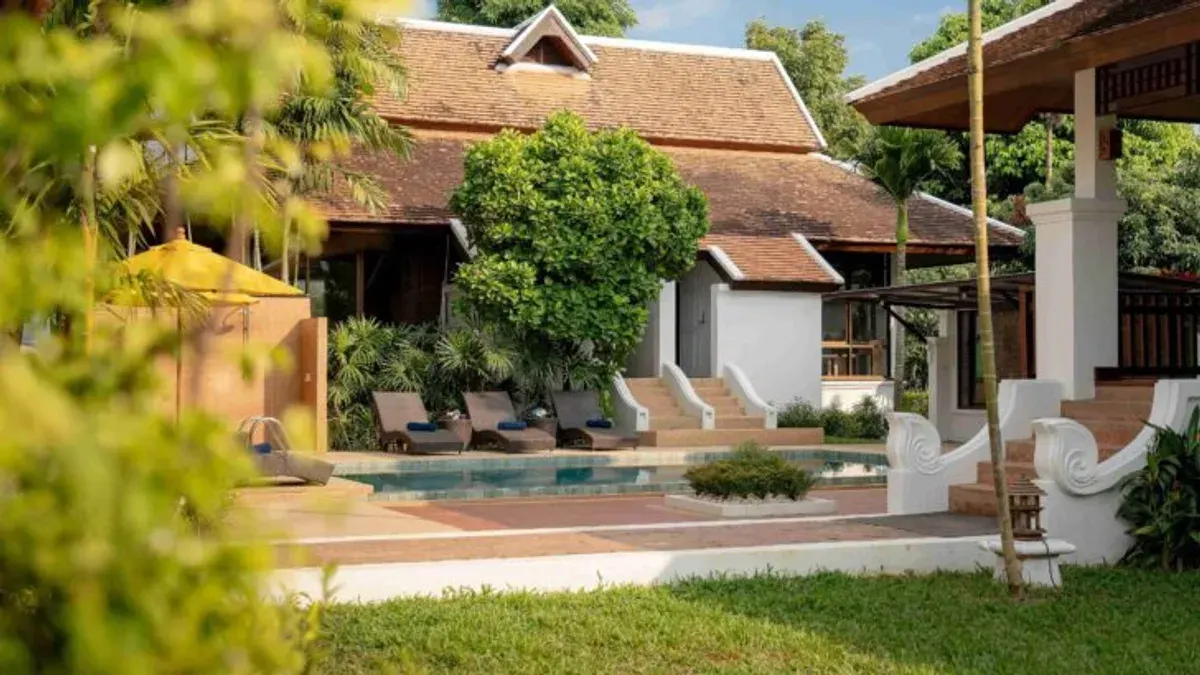
What Does a Rehab Stay in Thailand Look Like? Less like the film version, with grey walls and plastic chairs, and more like a quiet resort. That is deliberate. People tend to engage with treatment when they feel safe and comfortable rather than punished. Most established centres combine Western clinical therapy with Eastern wellness practices. A typical week includes:
One-to-one sessions with a licensed therapist or psychologist Group therapy, which helps more than most people expect, including those who dread the idea Medically supervised detox, where it is needed Mindfulness, yoga, massage and fitness, and at some centres Muay Thai
Programmes generally run from four weeks to three months, depending on what someone is dealing with. The better centres build the plan around the person rather than running everyone through the same schedule.
Where Do Expats in Thailand Go for Rehab? Ask around the international community and a handful of names come up. One of the more frequent is The Dawn Wellness Centre and Rehab Thailand in Chiang Mai, founded by two Thai brothers who spent years in New York before coming home. The centre sits on the Ping River in Hang Dong, just south of the city. It is licensed by the Thai Ministry of Public Health and is the only centre in Asia accredited by CARF, an international standard for treatment providers. Search Rehab Thailand and you will find no shortage of inf