Revered Monk Luang Pu Chaeng of Ampawa Temple
Luang Pu Chaeng, fourth abbot of Wat Pradu in Samut Songkhram, was a revered monk renowned for healing powers including blessed sacred water and herbal remedies. King Chulalongkorn visited the temple in 1904 after learning of the monk's abi
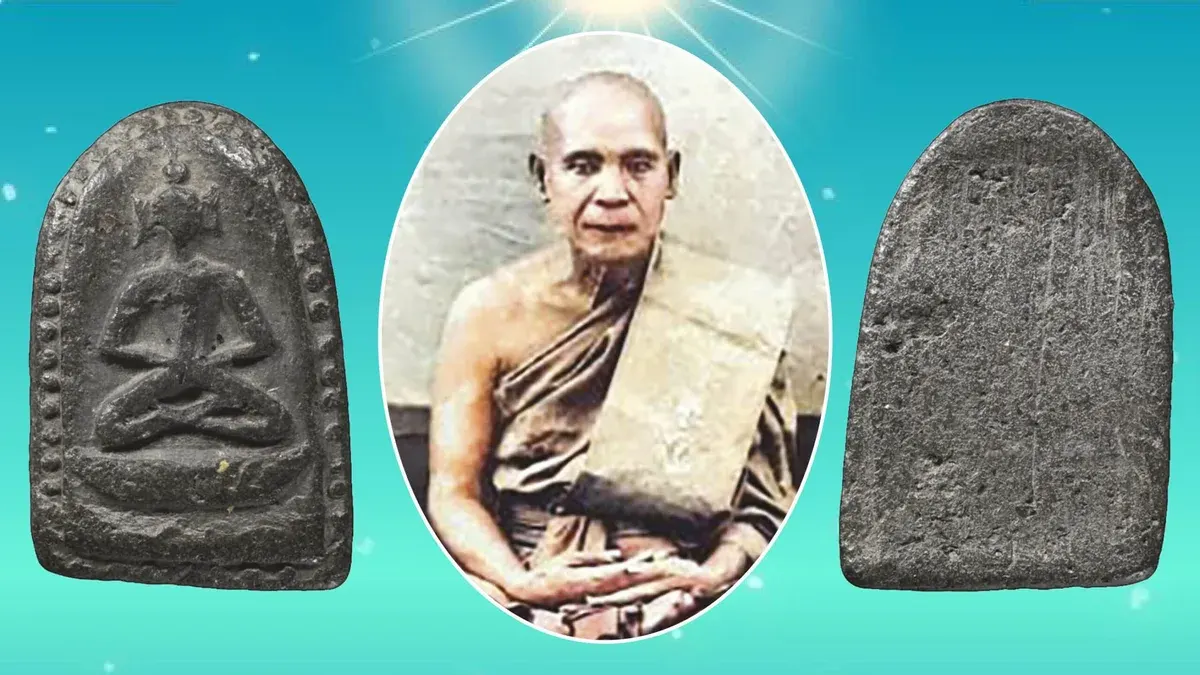
Luang Pu Chaeng Punnajantu, the fourth abbot of Wat Pradu in Ampawa district, Samut Songkhram province, was a venerable Buddhist scholar of the old tradition, revered for his profound mystical knowledge and spiritual merit. Wat Pradu is an ancient temple believed to have been constructed in the late Ayutthaya period, approximately 1877 CE, and is considered one of the oldest temples in the Samut Songkhram region.
Historical accounts record that during the reign of King Chulalongkorn (Rama V), the king embarked on a royal journey by water on July 21, 1904. As his royal barge passed in front of Wat Pradu, he paused for breakfast and noticed an unusually large gathering of villagers at the riverside pavilion. Intrigued, he instructed a court official to inquire about the reason for this assembly. The official learned that Luang Pu Chaeng, the temple's abbot, was a monk with extraordinary healing abilities. His most renowned practice was the creation of blessed sacred water, which reportedly cured anyone afflicted by spirits, curses, or supernatural possession—no malevolent entity could withstand its power. He also prepared sacred herbal medicine made from maka leaves, used alongside the blessed water.
When King Chulalongkorn learned of these abilities, he soon invited Luang Pu Chaeng to the royal palace to treat a royal family member. Following successful treatment that resulted in recovery, the king was deeply impressed and bestowed upon the monk various treasures including ornate beds, royal fans, and river boats as tokens of gratitude. According to history, the king visited Wat Pradu on multiple occasions and granted many items of royal merit to the temple.
Wat Pradu subsequently established a royal merit museum to preserve and maintain these royal gifts for posterity and the benefit of future devotees. Ancient medical texts attribute the origin of various healing practices—including the physician's lancet for exorcism, medicinal balms, and talismanic objects—to Luang Pu Chaeng of Wat Pradu. He treated patients using only a few herbal remedies: maka leaves and galangal, combined with sacred incantations and decoctions.
Beyond the herbal treatments, the most celebrated aspect of his practice was his "sacred blessed water." Legend holds that anyone upon whom this water was sprinkled was cured of all ailments, whether caused by curses, psychological affliction, or madness—all patients recovered without exception.
One notable account describes an occasion when Luang Pu Chaeng was summoned to the royal palace. Dressed in aged robes, the palace guards at the entrance initially refused him entry. Calmly, he replied that King Rama V had invited him to perform prayers and opened his fan to display the royal insignia—a gold fan bearing the mark of the monarch himself (emblazoned with the royal emblem of Narayana with the Garuda). The astounded guards immediately escorted him inside. Upon arrival, he respectfully sat at the lowest position. The sangha officer who witnessed this immediately informed the king, who graciously invited the monk to be seated in the second position of honor, just below the Sangha Patriarch and above many other senior members.
Luang Pu Chaeng is believed to have passed away between 1922 and 1929 CE. His remains are still preserved at Wat Pradu.