Legendary Monk Luang Pu Khai's Legacy Endures
The user wants a short summary of the article about Luang Pu Khai Inthasaro. The summary must be in English, 1-2 sentences, 120-220 characters (max 240), factual, plain English, no filler. Lead with what happened (his legacy endures) and th
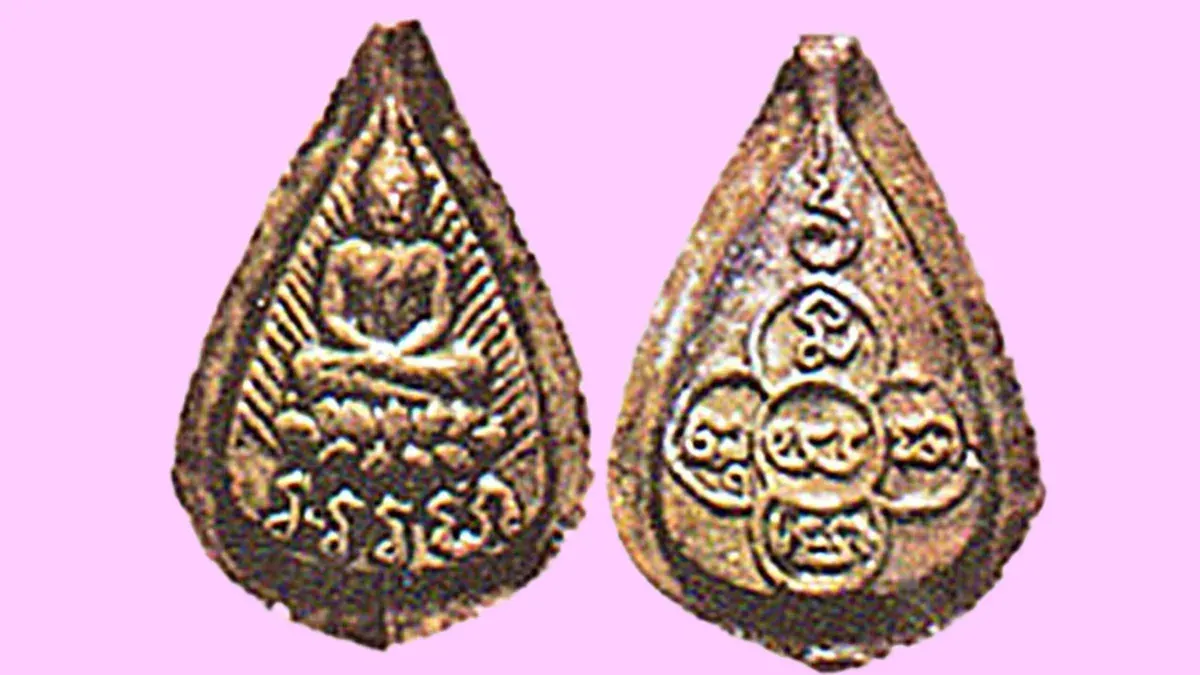
"Luang Pu Khai Inthasaro" of Wat Bowon Phimuk Worawihan (Wat Ching Len) in Bangkok's Samphanthawong district was a renowned former meditation master with profound mental power whose fame spread far and wide over many decades. As a meditation master who created the famous 'Phra Klip Bua' amulets made from sacred powder, his reputation grew through his Buddhist virtues.
His autobiography reveals he was born on June 5, 1857, in Tha Khai subdistrict, Mueang district, Chachoengsao province, to parents Khaom and Bua Chansamrit. At age 6, his father entrusted him to Luang Por Pan at Wat Sothon to study. He later ordained as a novice and became famous for his Mahachat sermon chanting. After Luang Por Pan passed away, he went to study with Phra Ajahn Juang at Wat Noi in Phanat Nikhom, Chonburi. At age 15, when Phra Ajahn Juang passed away, he traveled to spend the rains retreat at Wat Hong Rattanaram in Bangkok Yai, studying Buddhist scriptures for three years before moving to study with Phra Ajahn Iam at Wat Lat Dan in Samut Songkhram until he was old enough for full ordination.
He received higher ordination at Wat Lat Dan with Phra Ajahn Net of Wat Ban Laem as preceptor, Phra Ajahn Iam as kammavacacariya, and Phra Ajahn Phu of Wat Bang Kapom as anusavanacariya. He then studied Vipassana meditation with a revered teacher in Kanchanaburi before returning to Wat Lat Dan. He undertook annual forest pilgrimages (thudong), and wherever he passed, he healed the sick and suffering, earning widespread recognition that reached Bangkok. He was invited to spend a rains retreat at Wat Bang Yi Ruea before continuing his forest wanderings.
Later he returned to Bangkok and, finding Wat Bowon Phimuk (Wat Ching Len) peaceful, remained there for subsequent rains retreats. During these retreats he practiced meditation and performed many meritorious works: teaching meditation to monks and novices, healing the sick, donating personal wealth, and rallying disciples and acquaintances to build Buddha images, repair ancient damaged statues, create the Tripitaka (inscribing palm leaves himself and hiring craftsmen), restore dilapidated kutis, build new row kutis, construct roads, ponds, and rainwater tanks.
He was a monk of pure discipline, famed for Mahachat sermons, skilled in traditional medicine, with disciples from Thai, Chinese, and Sikh backgrounds who sought his healing without distinction of nationality, religion, or lineage.
Around 1927, he prepared his bowl, klot (shoulder cloth), and yam (water filter) for a thudong journey, but his disciples, concerned about his advanced age, persuaded him to stay and continue teaching Vipassana. Later he fell ill with age-related ailments, and on January 16, 1932, at 1:25 PM, he passed away peacefully at age 74 with 54 rains retreats.
Accounts say that near death, despite pain, he suddenly appeared free of suffering, asked his attendant disciples to help him sit up, had incense and candles lit for worship, paid respects, entered deep meditation for about 15 minutes until his breath ceased. Attending disciples then laid his body down.
He created sacred objects including takrut (scroll amulets), pha prajiad (sacred cloths), and photographs. Among these, the "Phra Klip Bua Arahang" amulets are highly sought after and command very high rental/worship prices. Around 1927, disciples requested...