Luang Pu Yim's Legendary Phra Pidta Amulets Remain Highly Sought After
The article is about Luang Pu Yim Chanthachot, a revered monk from Kanchanaburi (Wat Nong Bua), known for creating highly sought-after amulets, particularly the legendary Takrut Luk Om (swallowed takrut) and Phra Pidta amulets. He was born
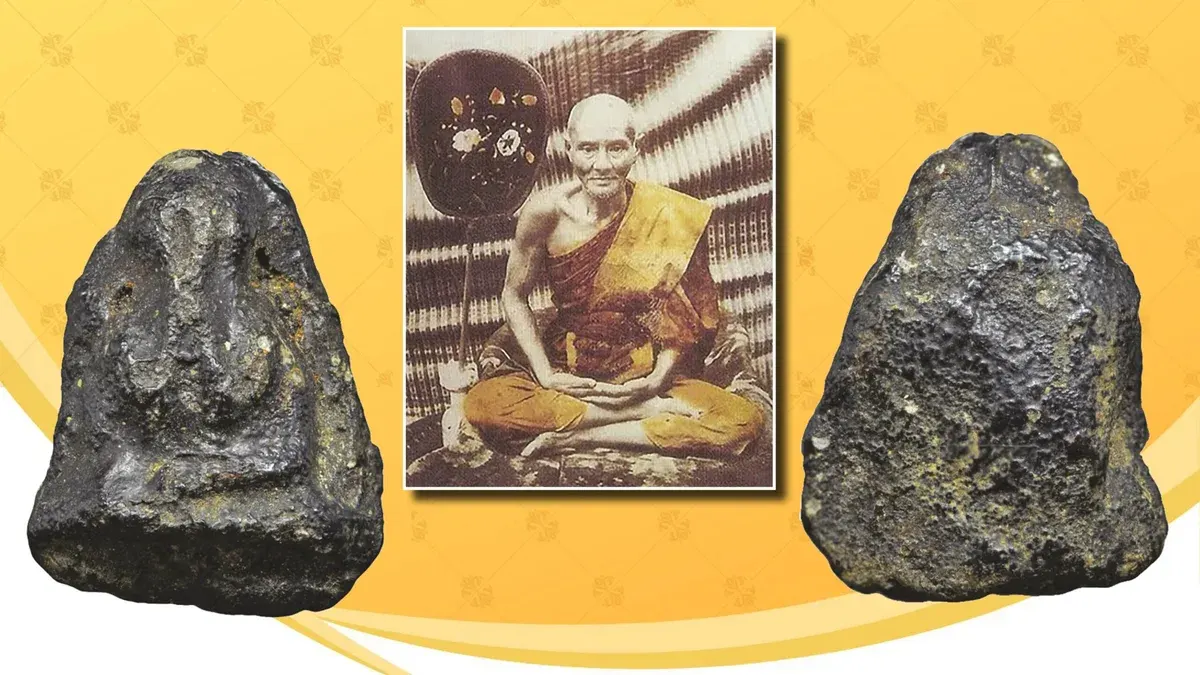
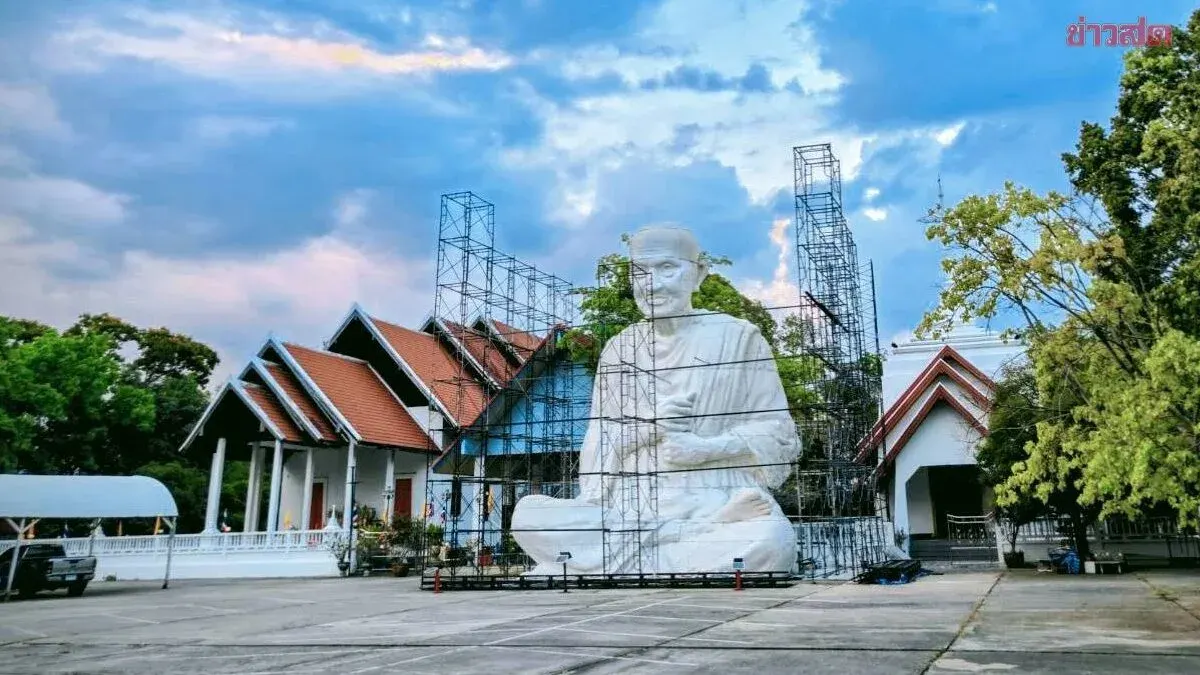
Luang Pu Yim Chanthachot, also known as Luang Pho Thao Yim, was a renowned monk from Kanchanaburi province. He served as the abbot of Wat Nong Bua (Wat Sri Uppalaram) in Nong Bua subdistrict, Mueang district, Kanchanaburi, and was a revered master of the old generation with many devoted followers. A native of Wang Dong, Kanchanaburi, he was born on a Tuesday in the fifth lunar month of the Year of the Monkey, 1844. His family traded bamboo and wood. As a child, he was bold, courageous, and a natural leader among his peers. He assisted his parents in trading goods along the river, becoming well acquainted with the Mae Klong communities.
He was ordained at Wat Thung Samor in Phanom Thuan district, Kanchanaburi, with Phra Ajarn Klip of Wat Nong Bua as his preceptor, Phra Ajarn Daeng of Wat Nuea and Phra Ajarn In of Wat Thung Samor as his instructors, receiving the monastic name Chanthachot. After ordination, he studied Khmer script, Pali, Mongkhut Tipani, Mulakaccayan, Phra Malai, and the Ten Births of the Buddha. He also learned occult sciences (vijja) from several expert masters, including Luang Pho Phra Palat Tim of Wat Bang Nang Li Noi in Amphawa, Luang Pho Phuang of Wat Pak Samut Sut Khongka, Luang Pho Klad of Wat Bang Prom in Amphawa, and Luang Pho Chaeng of Wat Pradu in Amphawa.
He succeeded Luang Pho Khluen as abbot of Wat Nong Bua. Later, he created amulets as sacred objects of remembrance. Among his most famous amulets is the Takrut Luk Om, or "Takrut Lokthat" — a small cylinder carried on one's person. When danger approaches, the wearer swallows it; it is believed to vanish inside the body and protect against all harm. The takrut can reportedly exit the body on its own: the wearer sets an intention before sleep, and by morning the takrut appears beside them, never exiting through the lower orifice. Hence it is called "Takrut Luk Om" (swallowed takrut), consecrated with the Lokthat mantra: "Icchanto jito icchanto lokadhatu mahi attabhavanam natthi varavisantim siddhang latha." This is a mantra the Buddha walked in meditation over mustard seeds. The takrut is made of gold, silver, or copper, weighing one salueng, measuring seven makham seeds in length, known as Sattapochchang. The Takrut Lokthat became famous nationwide.
He also created Phra Pidta (closed-eye Buddha) amulets, Phra Phong Yuen Haam Yat (sitting powder amulets with yantra on the back), Phra Phong meditation posture, Somdet Lheu Mue (Somdet fingernail), Phra Phong Haam Yat posture, and waist cords.
Luang Pu Yim's virtues were renowned across many cities, attracting both nobles and high-ranking officials in Bangkok. Even Luang Pu Suk of Wat Makham Thao once stayed at Wat Nong Bua for a rains retreat to exchange knowledge. Luang Pu Yim was disciplined, served as a sub-district preceptor, and ordained many disciples. Crucially, he transmitted vijja and occult sciences to subsequent generations, producing many famous guru monks, such as Luang Pho Rian of Wat Nong Bua, Luang Pu Di of Wat Thewasangkharam, Luang Pu Jai of Wat Sadet, and Luang Pho Son of Wat Lad Ya, among others.
He passed away peacefully in 1910 at age 66, with 46 rains. His textual lineages were inherited by Phra Khru Sophon Samanachan (Rian) of Wat Nong Bua and his grand-disciples who continue creating amulets following his methods to this day. It is said Luang Pu Yim was the root master of the famous Takrut Lokthat lineage. Moreover, all his sacred objects and amulets are considered efficacious, highly collectible, and sought after from the past to the present, though increasingly rare. Legend holds that even the personal sword of His Royal Highness Prince Chumphon Khet Udomsak was made by him.
The most popular amulet is the Phra Pidta Pim To (large overlapping chest), created before 1910 and distributed to those wishing to carry it. The Buddha image is in the Phra Pidta posture.