Trang Pepper GI Transforms Former Oil Palm Plantation into Global Contender
A Trang oil palm plantation was converted into a GI-certified black pepper farm using local varieties and sustainable techniques like raised beds
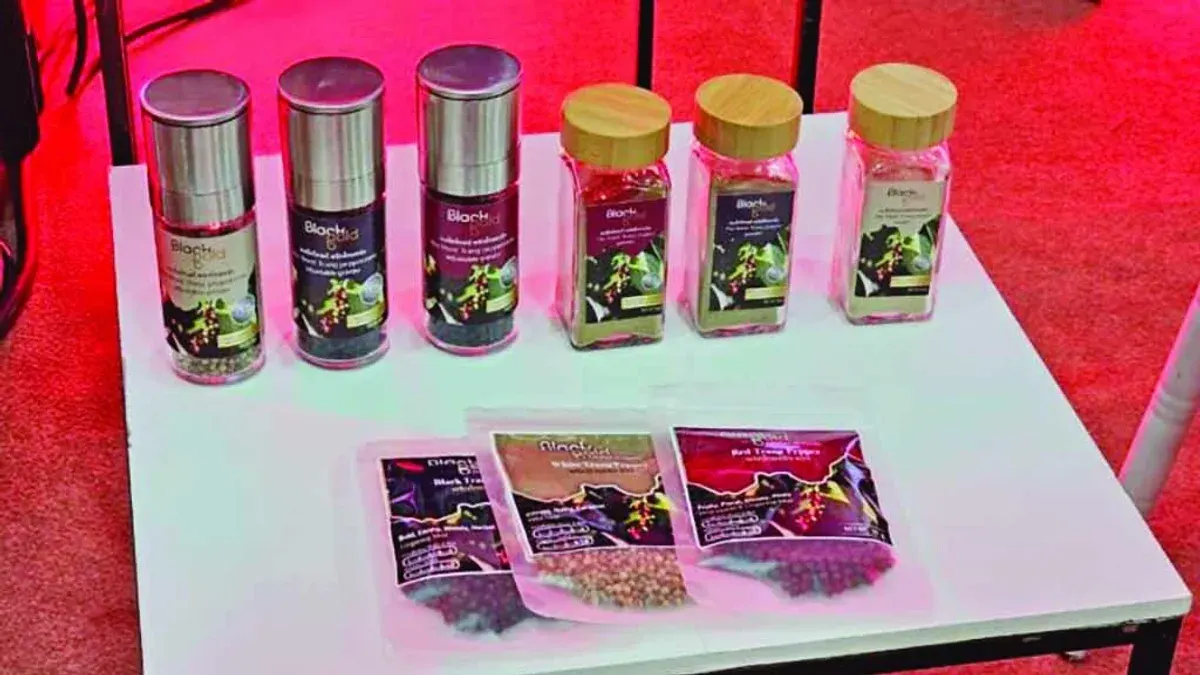
When a 30-year-old oil palm plantation in Trang province reached the end of its productive life, the owner faced a choice: replant palm or rubber, or find a crop better suited to the land that could generate higher value. That question sparked experiments with black pepper, specifically the local "Thung Yao" or "Palian" varieties, leading to the development of a Geographical Indication (GI) certified black pepper farm.
Khanthathai "San" Jitmaitricharoen, Managing Director of Black Gold Treasure Co., Ltd., recounts that after clearing the palms, the land was left fallow and rehabilitated for three years. Legumes were planted at one stage to improve soil quality. In 2019, a neighbor suggested trying pepper. The initial trial covered about 1,000 vines, but knowledge was limited. San had just returned from completing a Digital Marketing degree in the UK as the COVID-19 pandemic began, and noticed the pepper vines turning yellow and looking weak. This prompted serious study, from pepper basics to the history of Trang pepper.
Research in the Trang Provincial Archives revealed pepper's link to the city's trade from the late Ayutthaya period through the early Rattanakosin era, transforming San's view of pepper from an alternative crop to a local plant with its own story and potential. From the first 1,000 vines, the farm gradually expanded to its current 20 rai (about 3.2 hectares).
Water management is critical for quality pepper, especially in the rainy South where clay soils can waterlog and starve roots of oxygen, causing rapid rot. San redesigned the layout from traditional contour planting to raised beds for fastest drainage, particularly after prolonged rain. Support posts shifted from scarce, expensive hardwood to durable 2.5-3 meter concrete poles, better suited for maintenance and harvest. Irrigation moved from wasteful sprinklers to targeted drip systems delivering water directly to the base of each vine.
Pest and disease control avoids herbicides, using grass cutting and local plants or natural materials for mulch to retain moisture, suppress weeds, and create a better microenvironment. Propagation experiments with cuttings from vine tips, stems, and mother plants aim not just to increase numbers but to preserve the traits adapted to Trang's conditions.
Maintenance prioritizes rebuilding soil structure and vine strength early on with organic fertilizer combined with beneficial microbes like Trichoderma. As vines enter flowering and fruiting, the regime shifts to high potassium to boost yield. "Fertilizer timing must align with the harvest cycle; before entering the harvest period..."