Thailand Boosts Agricultural Value With Two New Geographic Indication Spices
Thailand has registered two heritage spices as Geographical Indication products: Chiang Mai Long Pepper and Suhaibgup Black Pepper from Satun, enabling producers to access premium markets and boost farmer incomes through intellectual proper
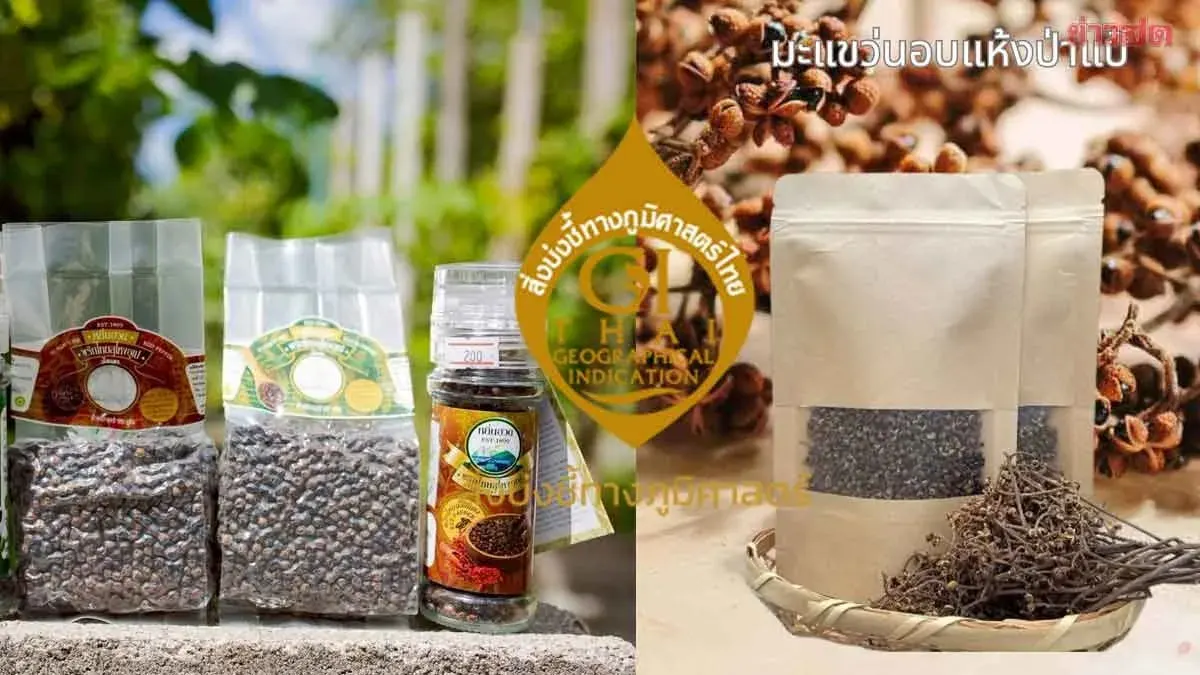
Two heritage spices have recently received Geographical Indication (GI) registration: Chiang Mai Long Pepper from Chiang Mai Province and Suhaibgup Black Pepper from Satun Province. Both products reflect unique characteristics derived from their specific plant varieties, terrain, climate, and traditional production methods. The registrations showcase the potential of Thai agricultural products to use intellectual property protection to create market differentiation, add value, and expand into premium food and processed product sectors.
Ormon Saiptwithum, director-general of the Department of Intellectual Property, stated that promoting local identity products through GI mechanisms is a key policy of the Ministry of Commerce under the leadership of Deputy Prime Minister and Commerce Minister Supachai Suthumpandi. The policy aims to elevate agricultural products across the entire supply chain—from upstream to downstream production—while developing products, creating added value, and promoting GI items to strengthen incomes and sustainability for farmers, SMEs, and producer communities.
The GI registration of Chiang Mai Long Pepper and Suhaibgup Black Pepper demonstrates how agricultural products with distinctive origin-based characteristics can leverage intellectual property as a tool to create differentiation, add value, and generate market opportunities. The registrations also help elevate product quality and standards, build consumer confidence, and enable producers to extend their branded identity into premium food ingredients, seasonings, processed products, and herbal medicines with diverse value-added forms.
Chiang Mai Long Pepper is a traditional herb used by northern Thai communities for more than 100 years, grown on hillsides and steep terrain at elevations of 800–1,200 meters above sea level. The cool, humid climate and acidic, well-draining soil create its distinctive hot and pungent aroma. The pepper has a round shape with a rough skin, appearing green when young, red when mature, and darkening to reddish-brown when fully aged, at which point it splits into two halves revealing black seeds inside. It is traditionally used as a spice in northern Thai cuisine, reducing fishy odors and enhancing flavor. Fresh peppers are pickled in fish sauce and eaten with northeast Thai dishes like larb, while dried peppers serve as a key ingredient in curry pastes and traditional dishes such as larb, chicken salad, and various curries. The spice is also valued for its medicinal properties in treating dizziness and intestinal gas.
Chiang Mai Long Pepper is the eighth GI product registered in the province, following hand-woven fabrics, Chiang Mai marble carvings, bamboo umbrellas, northern jasmine rice, royal coffee, and rambutan and lychee varieties. Currently, approximately 500–600 producers generate 500–600 tons annually, marketed as fresh or dried peppers. The product generates economic value of 15–18 million baht per year with steady growth driven by demand from consumers, restaurants, and food industries seeking high-quality, locally distinctive ingredients.
Suhaibgup Black Pepper is an indigenous pepper variety native to Thung Wa District in Satun Province, distinguished by its deep spicy heat and strong aromatic profile.