Rubber Factory Emissions Sicken Community for 20 Years
A rubber processing plant in Buriram has poisoned a community for two decades with toxic wastewater, foul odors, and noise, causing widespread respiratory illness despite a 2566 court order demanding action. Residents and their attorney are
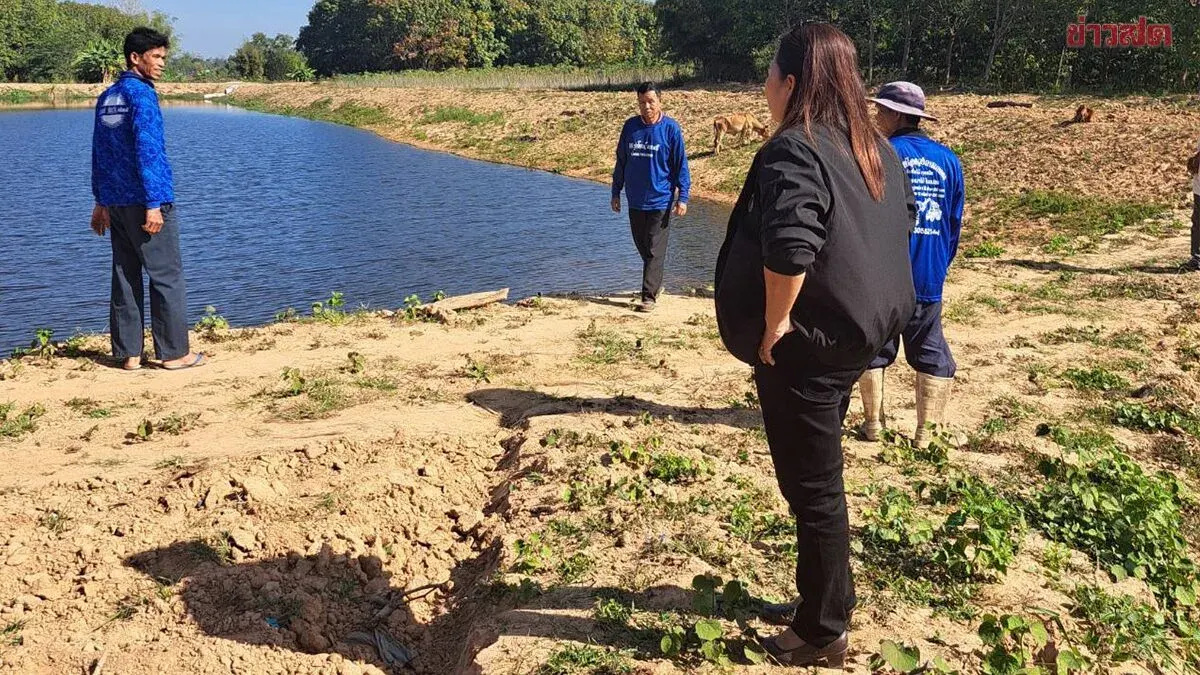
Residents and attorney Chaiyuth Arayavongse of Buriram's Bung Charoeng Subdistrict have assembled to demand that provincial industrial and natural resources authorities investigate a large rubber processing plant spanning over 76 rai situated in the heart of their community. Villagers report the factory discharges wastewater into natural water sources, operates noisy machinery, and emits foul-smelling odors day and night, causing respiratory and breathing illnesses particularly among children and the elderly. The community has suffered for 20 years; despite filing complaints and even winning a 2566 Supreme Administrative Court order requiring local government and industrial authorities to jointly resolve the issue, no meaningful action has been taken. The factory, established in 2549, continues to expand production facilities while rumors circulate that it is foreign-owned. Chaiyuth notes the factory has never implemented improvements despite decades of complaints, and he questions why odor standards were raised to 2,500 units outside industrial zones in 2562—far above the 300-unit threshold that already affected the entire subdistrict. He appeals to the newly reappointed Industry Minister Warawut Silpaakaan to intervene. Villager Uma Pengprakone, 47, describes how her family has endured years of foul-smelling emissions, nose irritation, and breathing difficulties, with her 90-year-old mother, son, and herself all afflicted with respiratory symptoms.