Sacred Luang Por Sothon Buddha Image Draws Nationwide Devotion
This article details the history and significance of Luang Por Phra Buddha Sothon, a revered Ayutthaya-era Buddha image at Wat Sothon Wararam Worawihan in Chachoengsao. Enshrined as the provincial palladium, the gilded meditation statue has drawn Thai and Chinese devotees for over a century, who offer classical dance and boiled eggs in gratitude for answered prayers. The piece also describes the image's royal connections, the construction of a new ordination hall initiated by King Rama IX, and provides a traditional chant for worshippers seeking protection, healing, or prosperity.
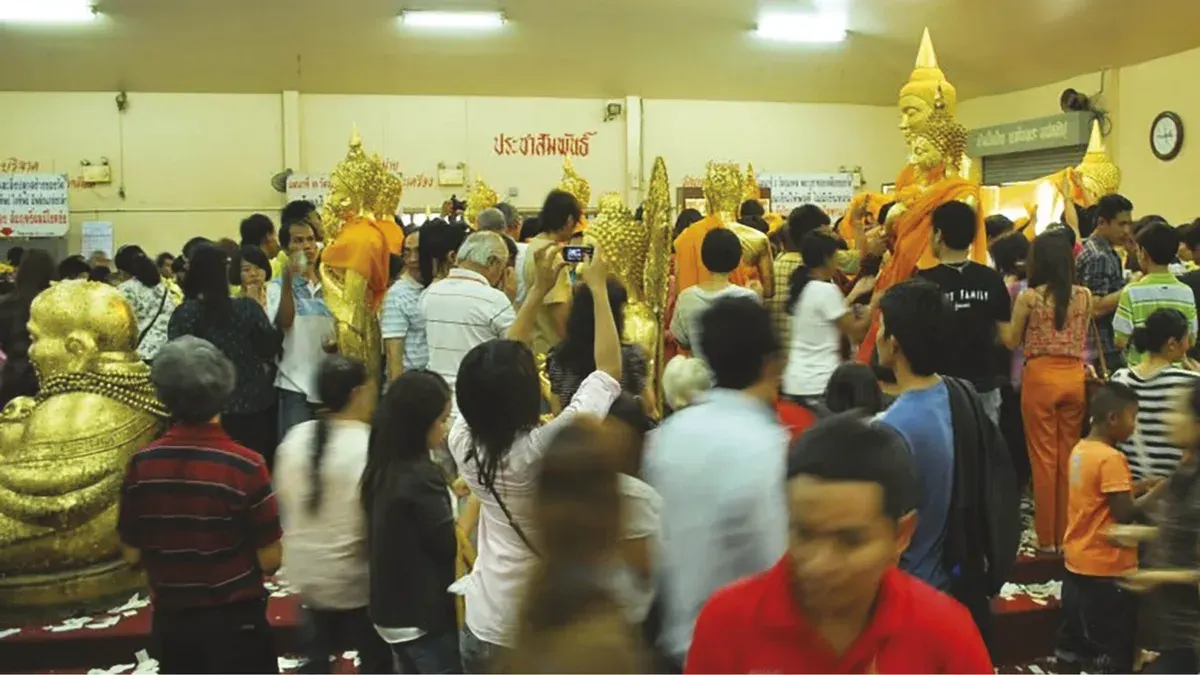
Among Thailand's most revered and sacred Buddha images, Luang Por Sothon — also known as Luang Por Phra Buddha Sothon — at Wat Sothon Wararam Worawihan in Chachoengsao province stands out.
Luang Por Phra Buddha Sothon, the provincial palladium of Chachoengsao, is a meditation-posture Buddha image seated in the diamond-lotus position. The original Luang Por Sothon was an early Ayutthaya-period sandstone statue measuring about one cubit wide across the knees, with a flat meditation posture, a somewhat round and full face, a slightly raised ushnisha, small downcast eyes, a small mouth, and a dark complexion in the Ayutthaya style influenced by Khmer art. It was later encased in plaster and gilded to become the meditation Buddha image seen today, measuring 5 feet 6 inches wide across the knees and 6 feet 7 inches tall.
Originally enshrined in the old ordination hall alongside 18 other Buddha images, the site felt cramped when King Rama IX visited to pay homage. The late Phra Phrom Khunaporn (Chiam Chirapunno), former Chachoengsao ecclesiastical chief and abbot, then initiated donations to purchase additional land for a new ordination hall, with the King personally laying the foundation stone in 1888 (B.E. 2431) and bestowing a golden umbrella spire atop the mondop in 1996 (B.E. 2539). Princess Maha Chakri Sirindhorn later placed the sacred nimitta relics on August 30, 2006 (B.E. 2549).
Luang Por Sothon is regarded as one of Thailand's most important sacred Buddha images, a provincial palladium revered by Thai and Chinese devotees who flock to pay homage, seek blessings, and fulfill vows — often with classical dance performances and boiled eggs — a tradition documented for over a century.
Legend recounts that the tradition began when a man named Thap, a Khon drama troupe leader in Khlong Sothon, vowed to offer a performance after his community was spared from a smallpox outbreak and his business flourished. He then formed a troupe to regularly perform vow-fulfillment dances for Luang Por Sothon.
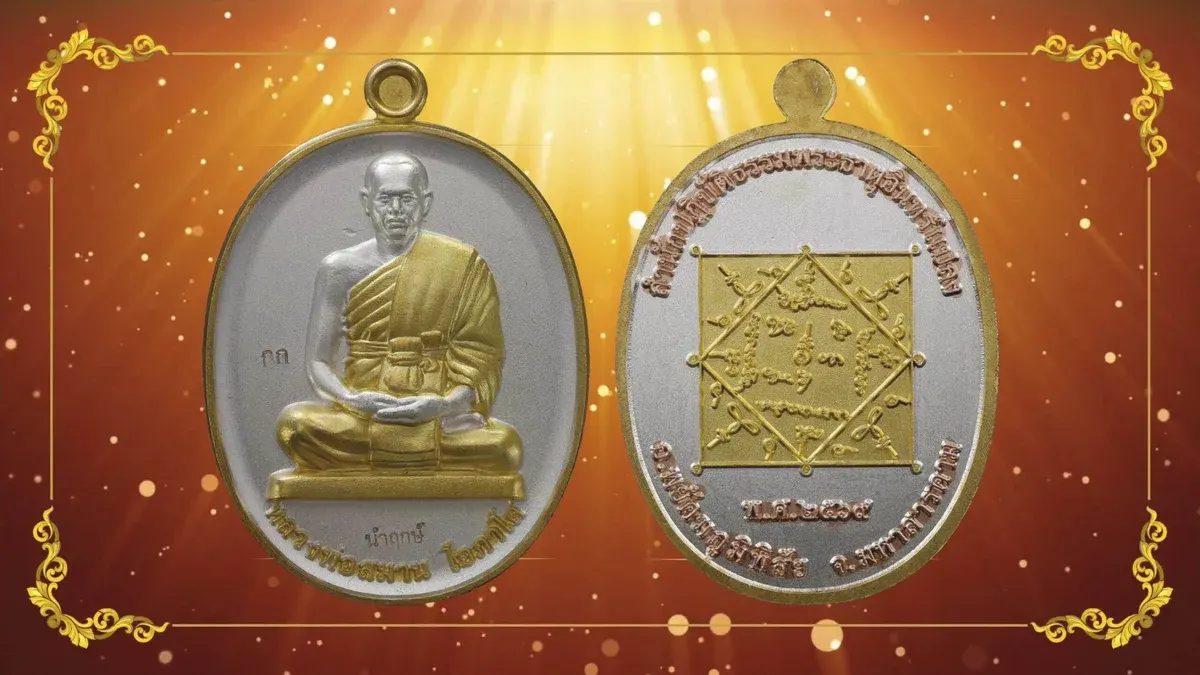
Sacred objects of Luang Por Sothon have been produced since ancient times in many forms — Buddha images, amulets, coins, and more — renowned across all eras and highly collectible, with value increasing with age.
Chant for Worshipping Luang Por Sothon (Chant of the Five Buddhas) Recite Namo three times, then:
"Na song fa, Mo song din, Phut song sin, Tha song samut, Ya song akat Phutthang kheaw klat, Thammang kheaw klat, Sangkhang kheaw klat, Satru pala winat santi Na karo kukkusanto simatcha mokaro konakamano nanajitte Phuttakaro kassapo puttho cha thavenete tha karo srisakayamuni kotamo Yakanne yakaro ariya mettraiyo chiwathite panchaputtaha namamihang Phuttabucha mahatecha wanto Dhammabucha mahapannya Sangkhabucha mahaphokawaho Arahang puttho itipiso bhagava namamihang"
If you have the opportunity to pay homage to Luang Por Sothon, seeking his protection, healing from illness, or prosperity in business, his blessings are believed to grant these wishes.