Senator Demands Emergency Fund for Dairy Farmers in Crisis
Senator Serei Anil Bol demanded emergency government funding for Thai dairy farmers crippled by milk oversupply and unpaid bills from the state dairy organization, warning that systemic reforms are needed to prevent industry collapse.
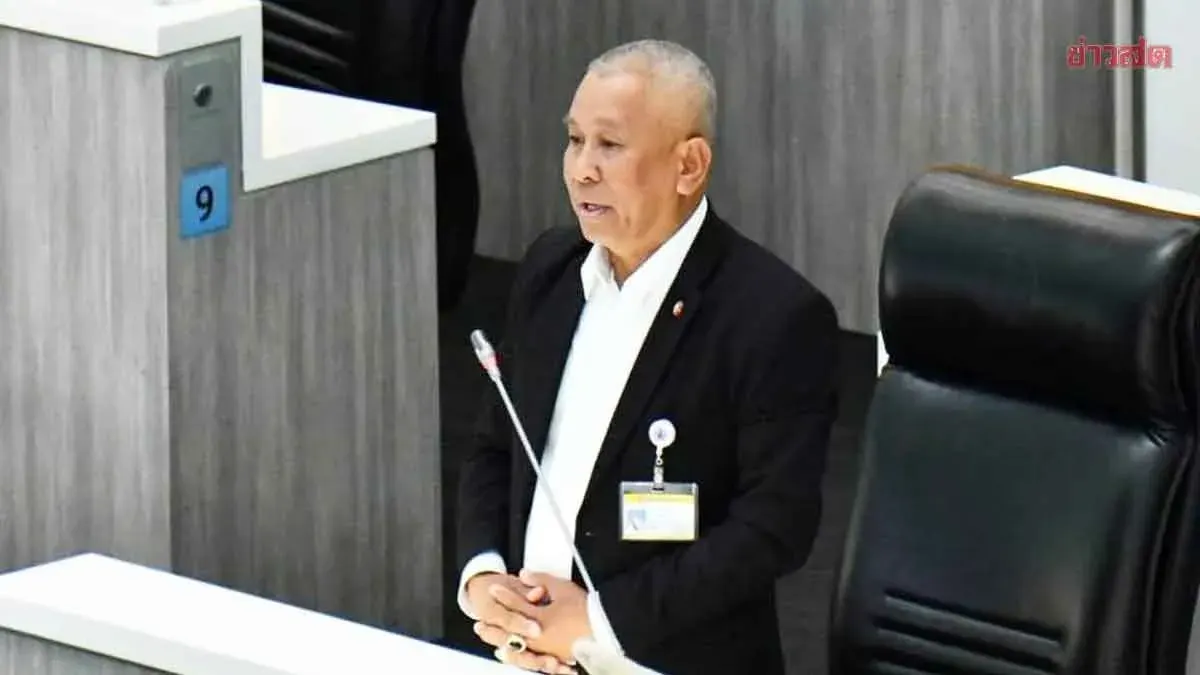
On July 7, 2026, at Parliament, Senator Serei Anil Bol used the Senate forum to voice the distress of dairy farmers facing an acute crisis. Raw milk oversupply has left farmers unable to find buyers, decimating incomes while production costs continue rising. During debate on a 10.3 billion baht emergency budget reallocation bill, Serei highlighted unpaid milk supply bills owed by the Thai Dairy Promotion Organization (TDPO) worth hundreds of millions of baht, leaving farmers in severe cash shortages. He urged the government to immediately deploy central or emergency reserve budgets to relieve farmers, warning that prolonged delays will damage the entire dairy sector. Serei expressed satisfaction that Deputy PM Phraryadr acknowledged the problem, noting the 2026 budget includes funds through TDPO for partial debt resolution and promised reforms to ensure transparent, corruption-free management. However, Serei stressed that mere budget injections without systemic TDPO reform will only create recurring crises. He called for genuine organizational restructuring, good governance, and anti-corruption measures. Serei and dairy farming networks nationwide stand ready to provide insights for TDPO management overhaul. He also proposed long-term solutions including supply management, market development, processing expansion, export promotion, school milk programs, and comprehensive industry mechanism review for price stability and sustainable farmer income. Serei concluded: "Farmers don't just need emergency relief—they need a fair system to sell milk at reasonable prices with stable market access. Government must seriously address this crisis and prevent the Thai dairy industry from becoming a murky gray zone dominated by dark influences, mafias, and vested interests controlling Milk Board decisions that harm farmers." He emphasized that the Milk Board, as a policy-setting organization, must ensure transparency, clear verifiable rules, and public accountability in industry governance.