SMR Nuclear Plants Positioned as Thailand's Clean Energy Future
The user wants a short summary of the article about SMR nuclear plants in Thailand. The summary must be 1-2 sentences, 120-220 characters, max 240 characters. Output only the summary text in English, no markdown, no labels. Key points: Thai
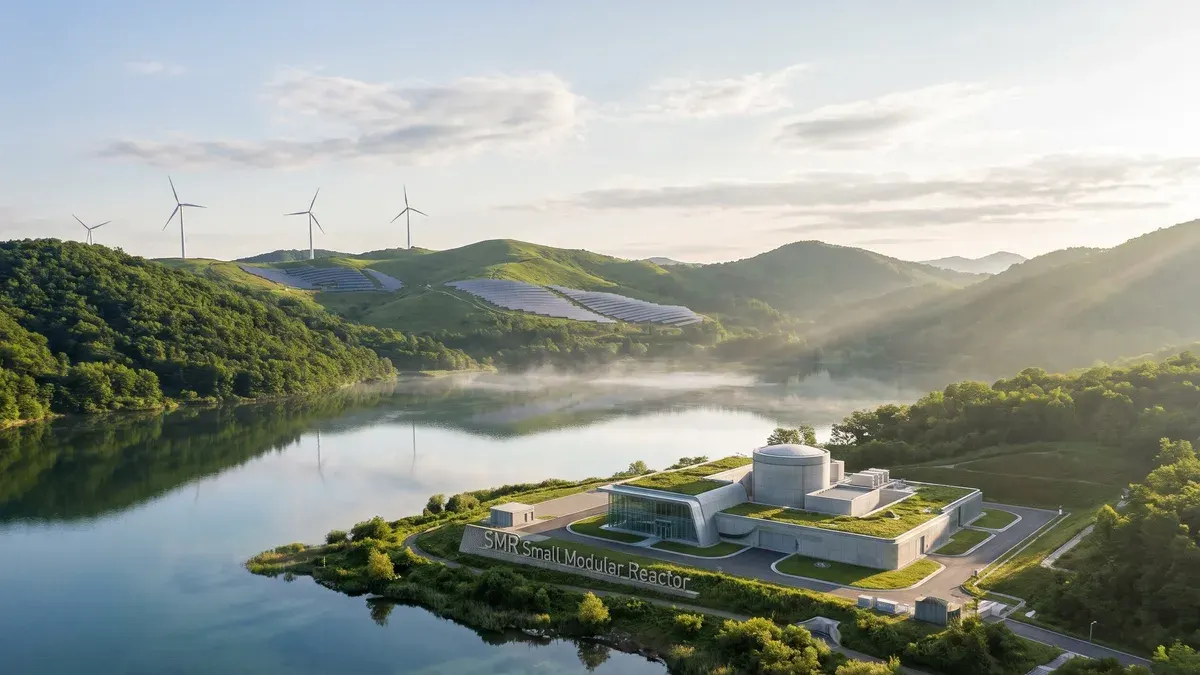
Electricity now plays an unavoidable role in daily life and the economy, with businesses relying on power around the clock. At the same time, Thailand is racing to cut carbon dioxide emissions to meet its 2050 net-zero target. Small Modular Reactors (SMRs), or small-scale nuclear power plants, are stepping forward as a future clean-energy technology that answers this need precisely.
Carbon-free power that bolsters security 24 hours a day A key advantage of SMRs is that they are carbon-free. They operate like a boiler, using heat from nuclear fission to turn water into steam that drives turbines, generating large amounts of electricity continuously without burning fuel or releasing carbon dioxide. This allows them to replace fossil fuels effectively. They also overcome the intermittency of renewable energy by serving as baseload plants that produce power steadily, regardless of weather or season.
Stable costs, risk diversification, and reduced imports Beyond environmental benefits, SMRs enhance economic stability. A 300-megawatt unit consumes only 9–12 tonnes of fuel per year and can run for up to 24 months without refuelling. Fuel can be stockpiled years in advance, reducing exposure to price swings and supply disruptions and supporting long-term electricity cost planning. Waste heat from SMRs can also be used for industrial processes and hydrogen production.
SMRs represent a new era of clean power generation that addresses both energy security and environmental concerns. A follow-up article will explore the more than 80 SMR designs under development worldwide, reflecting the momentum and potential of this technology as the future of energy security.