Thailand Advances Plans for Small Nuclear Reactor Safety Oversight
Thailand's Office of Atoms for Peace announced progress on safety preparations for a small modular nuclear reactor (SMR) project, including the establishment of a new nuclear safety institute to oversee the initiative. The move follows the Nuclear Energy for Peace Committee's policy and aims to address the country's heavy reliance on imported fossil fuels, which cost over 1 trillion baht yearly. Officials say starting with SMRs could help ease public concerns about nuclear energy while providing clean, stable power.
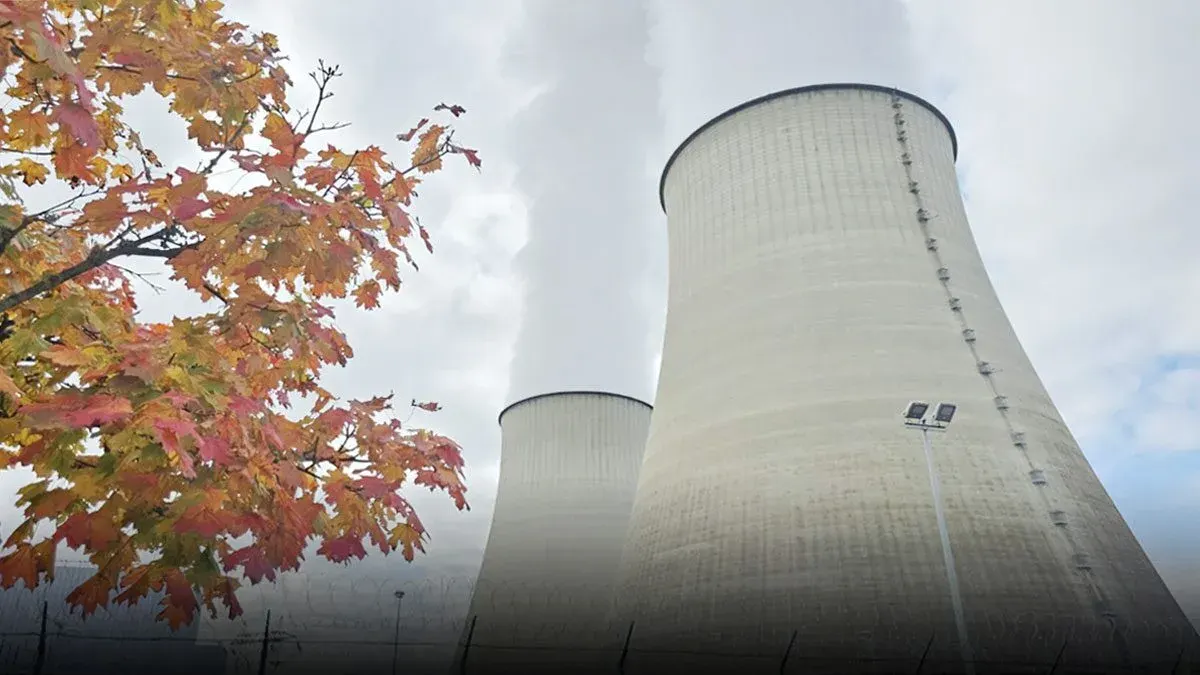
The Office of Atoms for Peace announced progress in safety preparedness for Thailand's small modular nuclear reactor (SMR) project, emphasizing organizational restructuring and service system development to efficiently accommodate future technology. The efforts follow the Nuclear Energy for Peace Committee's policy, leading to the establishment of the Nuclear Safety and Small Modular Nuclear Reactor Standards Institute, a bureau-level unit within the Office of Atoms for Peace, with the institute director as the head. This represents an interesting advancement in Thailand's peaceful nuclear energy progress. The Office of Atoms for Peace secretary said the institute has important duties and authority to prepare various aspects for SMRs, including studying, analyzing, and monitoring nuclear technology to formulate policy proposals, strategies, and safety measures; overseeing nuclear facilities, nuclear fuel cycles, radioactive waste management; assessment, inspection, law enforcement, nuclear safeguards; research, development, and dissemination of nuclear knowledge and related technology; developing domestic and international cooperation networks; and strategic coordination for infrastructure development to support SMRs. Energy issues have long been a major topic in Thai society, as Thailand imports energy, including crude oil and natural gas, valued at over 1 trillion baht annually. Besides using these energies for transportation, they are also needed for electricity production, particularly natural gas, which is the main fuel for combined-cycle thermal power plants, accounting for about 50-60 percent. Therefore, in the long term, reliance on nuclear energy for electricity generation is unavoidable, as it is clean, emits no greenhouse gases, is stable, and has high output. Starting with SMRs, which are small but high-standard and use modern technology—already demonstrated in several countries—could help alleviate public concerns.